
Mental Health Care in Martin County With Brain Health USA
Brain Health USA describes psychiatric evaluation, psychotherapy and medication management among its services. Martin County, Florida, residents considering care can ask which services fit their needs, whether a clinician is authorized to treat them in Florida, and whether appointments would be by telehealth or at an in-person location.
Mental Health Care Provided by a Psychiatrist in Martin County
Counseling & Therapy Services




INSOMNIA
Sleep disorders affect sleep quality, timing, and duration, causing distress and impairment.

BIPOLAR DISORDER
Bipolar disorder causes extreme mood swings, including manic highs and depressive lows.

OCD
Obsessive-compulsive disorder (OCD) causes intrusive thoughts and repetitive, compulsive behaviors.

SUBSTANCE ABUSE AND SUBXONE TREATMENT
Substance use disorder (SUD) involves compulsive substance use despite harmful consequences.

PSYCHOTHERAPY & COUNSELING
Psychotherapy helps manage mental illnesses, emotions, and symptoms for better well-being.

Child Psychiatry: Age-appropriate Mental Health Care
Child psychiatry is a specialized branch of medicine that focuses on diagnosing and treating behavioral, emotional, and mental disorders in children and adolescents. This service provides age-appropriate mental health care tailored to the unique needs of younger patients. Through therapy, medication when appropriate, and other support, child psychiatrists help children cope with issues such as anxiety, depression, ADHD, and more complex psychiatric conditions. Early intervention in child psychiatry can lead to better long-term outcomes and help children achieve their full potential.
Psychologist Services: Evidence-based Talk Therapy
Psychologists offer a range of services primarily centered around talk therapy, which is an evidence-based approach to treating mental health issues. This type of therapy involves discussing thoughts, feelings, and behaviors with a trained professional who helps individuals understand and manage their mental health challenges. Techniques such as cognitive-behavioral therapy (CBT), psychodynamic therapy, and interpersonal therapy are common. These methods are effective for a wide range of mental health conditions, including depression, anxiety, and relationship issues, providing valuable tools for personal development and emotional well-being.
Telehealth Therapy: Virtual Counseling Options
Virtual mental health appointments can reduce travel and may help when distance, mobility or scheduling makes in-person care difficult. Care may include therapy or psychiatric consultation by video or telephone. Suitability, appointment times, privacy arrangements and the clinician’s authorization to treat you where you are located should be discussed with the provider.
Trauma Recovery: Regaining Control Through Therapy
Trauma recovery is a critical service offered by mental health professionals. This therapy focuses on helping individuals who have experienced traumatic events, such as accidents, natural disasters, or personal assaults. Therapists specializing in trauma use various techniques, including trauma-focused cognitive behavioral therapy (TF-CBT) and eye movement desensitization and reprocessing (EMDR), to help individuals process and overcome their experiences. The goal is to empower clients, helping them regain control of their lives and reduce the impact of trauma on their mental health.
Treating Anxiety Disorders: Therapy and Coping Strategies
Anxiety disorders can interfere with daily life. Treatment may include psychotherapy, such as cognitive-behavioral therapy, medication or both, depending on the person’s needs. Mindfulness, relaxation and stress-management practices can complement treatment and help some people manage symptoms. A clinician can help choose and review a suitable plan.
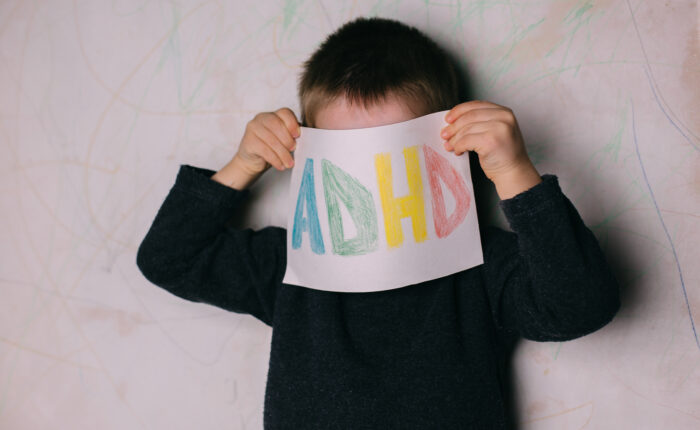
ADHD Support: Treatment and Everyday Strategies
ADHD can involve inattention, hyperactivity and impulsivity. Treatment may include medication, psychotherapy, behavioral interventions and practical support with organization and routines. Mindfulness can be discussed as a complementary strategy alongside established care. The approach should be tailored to symptoms and individual needs.
Overcoming Depression: Resilience-Building for Depression
Depression is a debilitating condition, but with the right therapeutic approach, individuals can rebuild their resilience and find relief. Services focused on overcoming depression often involve a combination of therapeutic strategies, including cognitive-behavioral therapy, interpersonal therapy, and sometimes medication. Building resilience involves teaching individuals techniques to cope with negative thoughts, improve their relationships, and increase their engagement in meaningful activities. These strategies are crucial for long-term recovery and for preventing relapse.
Insomnia Solutions: Better Sleep Through Therapy
Insomnia can severely affect one’s quality of life, leading to fatigue, mood disturbances, and reduced performance. Therapy for insomnia typically involves cognitive-behavioral therapy for insomnia (CBT-I), which is a structured program that helps individuals alter thoughts and behaviors that cause or worsen sleep problems. Through this service, clients learn techniques to promote healthy sleep patterns and improve both their sleep quality and daytime functioning.
Bipolar Disorder Care: Achieving Functional Recovery
Bipolar disorder is a complex mental health condition requiring comprehensive care strategies for effective management. Care services for bipolar disorder include a combination of medication management, psychotherapy, and lifestyle counseling. The focus is on achieving functional recovery, which involves stabilizing mood swings and providing support for maintaining a balanced and healthy lifestyle. Education about the disorder and coping strategies are also integral parts of the treatment, enabling individuals to manage their symptoms effectively.
OCD Support: Living Beyond Obsessions
Obsessive-Compulsive Disorder (OCD) is characterized by persistent, unwanted thoughts (obsessions) and repetitive behaviors (compulsions). OCD support involves therapeutic interventions such as Exposure and Response Prevention (ERP), which is considered the gold standard for treating OCD. Through this therapy, individuals learn to face their fears without performing compulsive rituals, gradually reducing their anxiety and improving their control over obsessions and compulsions.
Substance Use Help: Addiction Support Without Judgment
Substance use treatment is tailored to the substance involved, the person’s health and any co-occurring mental health needs. Care may include behavioral treatment, medication when appropriate and recovery support. Some people need medically supervised withdrawal care, but detoxification alone is not ongoing addiction treatment. A qualified clinician can help determine the appropriate level of care.
Psychotherapy: Narrative Therapy Approaches
Narrative therapy is a form of psychotherapy that centers on the stories people tell about their lives. This approach helps individuals identify their values and the skills associated with them, enabling them to effectively confront current and future problems. Narrative therapy is particularly useful in treating a variety of mental health issues, as it empowers individuals to use their own skills to minimize the impact of problems in their lives.
Autism Support: Autism Diagnosis and Ongoing Help
Autism spectrum disorder (ASD) requires specialized support services that cater to the diverse needs of those affected. Autism support includes comprehensive diagnostic evaluations, behavioral therapy, social skills training, and parental support. These services are designed to improve communication, social interactions, and educational outcomes. Ongoing support is crucial for helping individuals with autism lead full and productive lives, emphasizing their strengths and providing strategies to manage challenges.
Benefits of Psychiatrist in Martin County
Psychiatrists are physicians with specialist mental health training. Martin County residents can discuss symptoms and possible treatment options, including medication when appropriate. The choice should consider benefits, side effects, other health concerns and the person’s preferences.
Assessment may consider symptoms, medical history and daily functioning to help distinguish between possible conditions. Diagnoses and treatment plans can be reviewed as new information and the person’s response become clearer.
Enhanced Access to Specialized Treatments and Personalized Care
Some concerns may call for specialist assessment or input from other professionals. Patients can ask about a clinician’s relevant experience, referral options and how care would be coordinated when needed.
Treatment may include medication, psychotherapy or both, depending on the condition and individual needs. Follow-up can help review progress, discuss coping strategies and consider changes as symptoms and circumstances evolve.
Conclusion
Martin County residents seeking psychiatric care can discuss symptoms, preferences and practical needs with a qualified professional. Assessment, treatment and follow-up can be planned around the person’s goals.
FAQ about Psychiatrist in Martin County
What services do psychiatrists in Martin County offer?
A psychiatrist can assess mental health symptoms, discuss possible diagnoses and recommend a treatment plan. Care may include medication, psychotherapy or referral, depending on the person’s needs. Ask the provider which services they offer and whether they can treat you in Florida.
How do I choose the right psychiatrist in Martin County?
Choosing the right psychiatrist involves considering factors such as the psychiatrist’s qualifications, areas of specialization, treatment approach, and the compatibility of their personality with yours. It’s also advisable to read reviews and potentially consult with your primary care provider for recommendations.
Are psychiatric treatments in Martin County covered by insurance?
Coverage depends on the insurance plan, clinician, service and visit location. Contact the provider and your insurer to confirm network participation, benefits, referral or authorization requirements and expected out-of-pocket costs before care.
What is the difference between a psychiatrist and a psychologist in Martin County?
The main difference between a psychiatrist and a psychologist is their training and what they can provide. Psychiatrists are medical doctors who can prescribe medication and have an extensive understanding of the physical and medical aspects of mental health disorders. Psychologists focus more on psychotherapy and treating emotional and mental suffering through behavioral intervention.
Can children and adolescents see a psychiatrist in Martin County?
For a child or teenager, look for a clinician with relevant child and adolescent training who is authorized to treat them in Florida. Ask about experience with the concerns involved, the age groups treated and arrangements for family participation and follow-up.