
Mental Health Care in Hardee County With Brain Health USA
Brain Health USA describes psychiatric evaluation, psychotherapy and medication management among its services. Hardee County, Florida, residents considering care can ask which services are available for their needs, whether a clinician is authorized to treat them in Florida, and whether appointments would be by telehealth or at an in-person location.
Mental Health Care Provided by a Psychiatrist in Hardee County
Counseling & Therapy Services




INSOMNIA
Sleep disorders affect sleep quality, timing, and duration, causing distress and impairment.

BIPOLAR DISORDER
Bipolar disorder causes extreme mood swings, including manic highs and depressive lows.

OCD
Obsessive-compulsive disorder (OCD) causes intrusive thoughts and repetitive, compulsive behaviors.

SUBSTANCE ABUSE AND SUBXONE TREATMENT
Substance use disorder (SUD) involves compulsive substance use despite harmful consequences.

PSYCHOTHERAPY & COUNSELING
Psychotherapy helps manage mental illnesses, emotions, and symptoms for better well-being.

Child Psychiatry: Support for Young Brains
Child psychiatry is a vital branch of medicine that focuses on diagnosing, treating, and preventing mental disorders in children and adolescents. This specialty addresses a range of issues from developmental disorders and trauma to behavioral problems and emotional difficulties. Early intervention in child psychiatry can lead to significant improvements in the child’s development, helping them to better manage emotions, enhance social interactions, and improve academic performance. Treatment approaches often include a combination of behavioral therapy, psychotherapy, and medication management, tailored to each child’s unique needs.
Psychologist Services: Therapists for Anxiety & Depression
Psychologists play a crucial role in managing mental health conditions such as anxiety and depression. Through various therapeutic techniques like cognitive-behavioral therapy (CBT), psychologists help individuals understand and change their thought patterns and behaviors that contribute to their mental health issues. These services are essential for individuals struggling with anxiety and depression, providing them with strategies to cope with stress, reduce symptoms, and improve their overall mental well-being.
Online Mental Health Care: Comfortable Online Healing
Virtual mental health appointments can reduce travel and may be helpful when distance, mobility or scheduling makes in-person care difficult. Providers may offer video or telephone visits and other communication tools. Suitability, appointment times, privacy arrangements and the clinician’s authorization to treat you where you are located should be discussed with the provider.
PTSD Treatment: PTSD Care with Evidence-Based Methods
Post-traumatic stress disorder (PTSD) is a severe mental health condition triggered by a terrifying event. Effective PTSD treatment often involves a combination of psychotherapy and medication. Evidence-based methods such as trauma-focused cognitive-behavioral therapy (TF-CBT) and eye movement desensitization and reprocessing (EMDR) are commonly used to help individuals process and make sense of their traumatic experiences. These therapies aim to reduce PTSD symptoms, improve daily functioning, and restore a sense of control in the lives of affected individuals.
Managing Anxiety: Letting Go of Fear
Anxiety management is crucial for maintaining mental health and well-being. Techniques such as mindfulness meditation, relaxation exercises, and stress management strategies can significantly alleviate anxiety symptoms. Mental health professionals guide individuals through these practices, helping them to develop healthier coping mechanisms and a calmer, more focused mind. This support is essential for anyone looking to overcome excessive worry and fear and lead a more balanced life.
ADHD Care: Concentration-Boosting Techniques
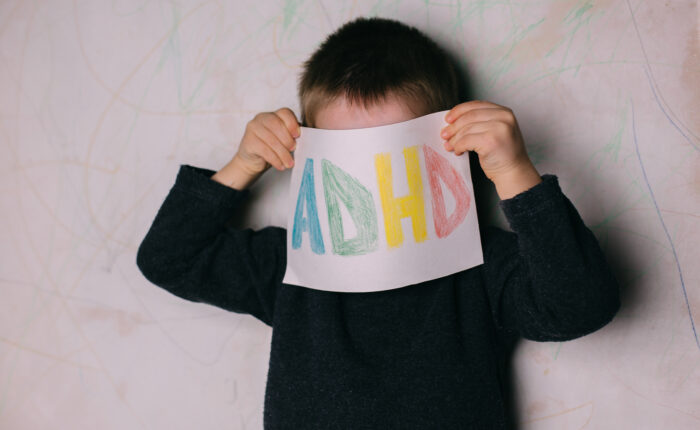
Attention Deficit Hyperactivity Disorder (ADHD) affects both children and adults, characterized by symptoms such as inattentiveness, hyperactivity, and impulsiveness. ADHD care typically involves behavioral therapies, medication, and educational support. Techniques to boost concentration and improve task completion are central to ADHD treatment, helping individuals achieve better academic and professional outcomes. Additionally, therapists often work with patients to develop organizational skills and strategies to manage their time and attention more effectively.
Depression Help: Guided Support for Depression
Depression is a common but serious mood disorder that negatively affects how a person feels, thinks, and handles daily activities. Therapy for depression often involves a combination of psychotherapy and medication. Support groups and lifestyle changes, such as increased physical activity and nutrition, can also play supportive roles. Mental health professionals provide a compassionate environment where individuals can express their feelings and begin to understand the underlying causes of their depression, working towards gradual recovery.
Sleep Disorder Treatment: Waking Up Refreshed
Sleep disorders can significantly impact an individual’s health and quality of life. Treatment for conditions such as insomnia, sleep apnea, and restless legs syndrome often includes medical interventions, lifestyle adjustments, and sleep hygiene education. Cognitive-behavioral therapy for insomnia (CBT-I) is a common approach that helps individuals alter thoughts and behaviors that cause or worsen sleep problems, aiming to establish a healthy sleep pattern.
Bipolar Disorder Care: Achieving Functional Recovery
Bipolar disorder is characterized by extreme mood swings, including emotional highs (mania or hypomania) and lows (depression). Managing bipolar disorder requires a comprehensive approach that includes medication, psychotherapy, and lifestyle counseling. Effective treatment helps individuals manage their mood swings and related symptoms, and maintain a functional, fulfilling life. Psychoeducation is also a critical component, helping patients and their families understand the disorder and how to cope with its challenges.
Managing OCD: Understanding the Root of OCD
Obsessive-Compulsive Disorder (OCD) involves unwanted, persistent thoughts (obsessions) and urges to perform repetitive acts (compulsions). Treatment typically involves psychotherapy, particularly exposure and response prevention (ERP), and often medication. ERP helps individuals face triggers while learning not to perform compulsions. A clinician can help plan treatment and support practice between appointments.
Addiction Recovery: Counseling for Substance Abuse
Substance use treatment is tailored to the substance involved, the person’s health and any co-occurring mental health needs. Care may include behavioral treatment, medication when appropriate and recovery support. Some people need medically supervised withdrawal care, but detoxification alone is not ongoing addiction treatment. A qualified clinician can help determine the appropriate level of care.
Therapy for Healing: Creating Breakthroughs Through Dialogue
Therapy offers a safe space for individuals to discuss their feelings and thoughts with a trained professional. Through various therapeutic approaches, therapists facilitate dialogue that helps individuals identify the root causes of their distress, work through complex emotions, and develop healthier coping mechanisms. This process often leads to significant personal growth and healing, enabling individuals to lead more satisfying and balanced lives.
Autism Support: Practical Social Behavior Training
Autism spectrum disorder (ASD) affects communication and behavior. Social behavior training is a key component of autism support, focusing on improving communication skills, social interactions, and behavioral adjustments. Through tailored interventions and consistent support, individuals with autism can enhance their ability to function in social settings, increase their independence, and improve their overall quality of life.
Benefits of Psychiatrist in Hardee County
A psychiatrist can help Hardee County residents discuss symptoms and consider treatment options. Medical and psychological factors may both inform assessment, while treatment can include medication, psychotherapy or a referral when appropriate.
Follow-up arrangements and travel needs are practical parts of choosing care. Telehealth may reduce travel when appropriate. Ask which assessments or treatments would require an in-person visit and where these would take place.
Enhancing Community Health
Recognizing symptoms and discussing concerns with a health professional may support earlier care. Community education can help people learn about mental health and ways to seek support.
Psychiatrists may work in different healthcare settings. Hardee County residents can ask about the provider’s setting, services and referral arrangements when considering care.
Challenges and Development
People seeking care may encounter barriers involving travel, cost, appointment availability or finding the right expertise. Telehealth can be one option when appropriate, and residents can ask providers about current options.
Mental health symptoms can affect work and daily life, and treatment may help an individual function better. Care goals can include managing symptoms and supporting daily responsibilities.
Conclusion
Hardee County residents considering psychiatric support can discuss assessment, treatment options and follow-up with a qualified professional. The appropriate plan depends on individual needs and the services offered by the provider.
FAQ about Psychiatrist in Hardee County
What services do psychiatrists in Hardee County offer?
A psychiatrist can assess mental health symptoms, discuss diagnoses and recommend a treatment plan. Care may include medication, psychotherapy or referral, depending on the person’s needs. Ask the provider which services they offer and whether they can treat you in Florida.
How can I find a reputable psychiatrist in Hardee County?
To find a reputable psychiatrist in Hardee County, you can start by asking for recommendations from your primary care physician, local medical clinics, or mental health organizations. Additionally, checking online reviews and verifying credentials through state medical boards can help ensure you choose a qualified professional.
Do psychiatrists in Hardee County accept insurance?
Insurance coverage depends on the plan, clinician, service and visit location. Contact the provider and your insurer to confirm network participation, benefits, any authorization requirements and expected out-of-pocket costs before care.
What should I expect during my first visit with a psychiatrist in Hardee County?
During your first visit with a psychiatrist in Hardee County, expect an initial assessment that typically involves discussing your medical and psychological history, current symptoms, and life circumstances. The psychiatrist will use this information to develop a diagnosis and an appropriate treatment plan, which may include medications, therapy, or other interventions.
Are there emergency psychiatric services available in Hardee County?
For a life-threatening emergency, call 911. For emotional distress or crisis support, call or text 988. Do not wait for a routine psychiatric appointment in an emergency. Ask local facilities directly about their current emergency assessment and referral arrangements.