
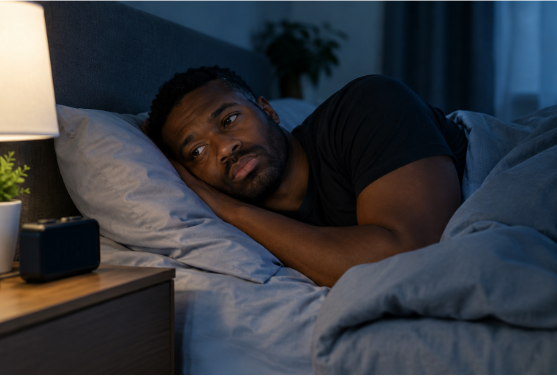
Sleep affects concentration, emotional regulation, and daily functioning. However, some individuals struggle to fall asleep, wake frequently, or feel exhausted despite spending enough time in bed. Seeking a sleep disorders doctor in Hidden Hills may help identify recurring sleep problems and appropriate care. Sleep disorders include insomnia, breathing-related conditions, circadian rhythm disturbances, and unusual sleep behaviors. Brain Health USA emphasizes understanding sleep concerns alongside emotional well-being, daily habits, and individual health needs to support more restful sleep.
Understanding When Sleep Concerns Need Further Evaluation
An occasional restless night is common, particularly during periods of change or uncertainty. Persistent sleep problems, however, may indicate a concern that deserves professional evaluation. The signs are not always limited to difficulty falling asleep. Some individuals sleep for long periods but remain tired, while others experience disrupted rest without fully recognizing how frequently they wake.
Common warning signs may include:
- Repeated difficulty falling asleep or returning to sleep after waking.
- Daytime fatigue, irritability, or trouble concentrating despite spending sufficient time in bed.
- Loud, persistent snoring, gasping during sleep, or reports of interrupted breathing.
- An inconsistent sleep schedule that makes it difficult to wake or fall asleep at appropriate times.
- Unusual nighttime movements, behaviors, or sensations that interfere with rest.
The frequency and impact of sleep problems can help distinguish temporary stress from concerns that require further assessment. Brain Health USA encourages individuals to recognize signs such as persistent exhaustion, reduced alertness, and mood changes that may affect daily functioning.
Identifying Different Sleep Disorders and Their Effects
Sleep disorders can affect different stages and aspects of the sleep process. Identifying the specific pattern is essential because the strategies used to address one condition may not be appropriate for another.
1. Insomnia: Involves persistent difficulty falling asleep, staying asleep, or waking earlier than desired, often with consequences during the day. It can occur during stressful periods or continue after the original trigger has passed.
2. Sleep apnea: Involves repeated interruptions in breathing during sleep. Some people experience loud snoring, morning headaches, or pronounced daytime sleepiness. A clinician may recommend a sleep study when the symptoms suggest a breathing-related disorder.
3. Circadian rhythm sleep-wake disorders: Occur when a person’s internal sleep timing does not align well with expected schedules. Shift work, irregular routines, and other factors may contribute to difficulties maintaining a suitable sleep pattern.
4. Restless legs syndrome and other movement-related concerns: Can create uncomfortable sensations or repeated movements that interfere with falling asleep or staying asleep.
Excessive daytime sleepiness and unusual nighttime behaviors may require further evaluation because symptoms can overlap. A psychiatrist in Hidden Hills may assess related emotional or behavioral concerns, while sleep specialists can provide testing for specific sleep conditions.
How Daily Routines Influence Sleep Quality
Daily routines, light exposure, meal timing, and stimulation can affect sleep patterns. Identifying habits that contribute to sleep difficulties, such as late exercise or afternoon caffeine, can help individuals make gradual, manageable changes.
Helpful adjustments may include:
- Maintaining a reasonably consistent bedtime and waking time, including on weekends.
- Getting natural light during the morning and staying physically active during the day.
- Establishing a relaxing evening routine that allows time to transition away from work or other demands.
- Limiting late-day caffeine and observing whether alcohol or heavy evening meals affect sleep.
- Keeping the bedroom comfortable, quiet, and sufficiently dark.
Recognizing the Two-Way Relationship Between Sleep and Depression
Sleep and mood often affect each other. Depression may cause difficulty falling asleep, frequent awakenings, excessive sleeping, or persistent fatigue. Changes in sleep can sometimes appear before other emotional symptoms become noticeable.
When sleep problems occur alongside low mood, reduced motivation, or loss of interest, a depression doctor in Hidden Hills may help assess these concerns. Brain Health USA encourages evaluating sleep and mood together, as care may involve psychotherapy, medication, or behavioral strategies. Persistent hopelessness or thoughts of self-harm warrant prompt professional support.
Anxiety, Nighttime Worry, and the Difficulty of Switching Off
Worries about family, work, or the future can become more noticeable at bedtime, making it difficult to relax. Anxiety may also cause restlessness, muscle tension, and heightened alertness, disrupting sleep. An anxiety disorders doctor in Hidden Hills may help individuals understand persistent symptoms and explore appropriate treatment options. Simple strategies, such as writing down concerns or practicing relaxation techniques, may ease bedtime stress. Brain Health USA recognizes the importance of addressing both anxiety and sleep disturbances to support emotional well-being and more restful nights.
When Sleep Problems Affect Daily Functioning and Relationships
Poor sleep can make daily tasks feel harder, reduce concentration, and increase irritability. Over time, fatigue may affect work performance, family relationships, and social activities. Others may mistake these changes for indifference or frustration rather than exhaustion.
Adult psychiatry in Hidden Hills may help when sleep disturbances occur alongside emotional or behavioral concerns. A psychiatrist in Hidden Hills can review medications, daily habits, stressors, and previous treatments to identify possible contributing factors. Brain Health USA encourages considering how sleep difficulties affect everyday responsibilities and relationships when determining appropriate support.
How Substance Use Can Influence Sleep Quality
Alcohol and other substances can disrupt sleep in different ways. While alcohol may initially cause drowsiness, it can interrupt sleep later. Stimulants and withdrawal symptoms may also cause restlessness, anxiety, and difficulty sleeping.
Some people use substances to manage insomnia or emotional distress, creating a cycle of temporary relief and worsening sleep. Substance use disorder treatment in Hidden Hills may help address substance use alongside sleep disturbances and emotional concerns through individualized care.
Brain Health USA supports a comprehensive, judgment-free approach. People who may be physically dependent on alcohol or certain drugs should seek medical guidance before stopping suddenly, as withdrawal can be dangerous. Addressing both concerns may support long-term well-being.
Using Talk Therapy to Manage Sleep Difficulties
Sleep difficulties may continue even after the original trigger has passed. Worrying about another sleepless night, checking the clock, or staying awake in bed can reinforce frustration and make rest harder.
Talk therapy in Hidden Hills may help address stress, anxiety, and thought patterns affecting sleep. For chronic insomnia, cognitive behavioral therapy for insomnia (CBT-I) is a recommended first-line treatment that targets behaviors and worries that maintain sleep problems. Brain Health USA encourages choosing support that matches each person’s needs, as general talk therapy is not always a substitute for specialized insomnia treatment.
Preparing for a Sleep Evaluation
Preparing for an appointment can help individuals describe their symptoms more clearly. Sleep difficulties may be difficult to recall accurately because nights can vary, and people do not always remember every awakening.
Keeping a sleep diary for one or two weeks, when practical, can provide useful information. Individuals can record approximate bedtimes, waking times, nighttime interruptions, naps, caffeine intake, and daytime fatigue. Notes from a partner or family member may also help identify snoring, unusual movements, or breathing interruptions.
Before an appointment, consider preparing a few details:
- When the sleep problem began and how frequently it occurs.
- Whether symptoms change during weekends, holidays, or stressful periods.
- Current medications, supplements, and relevant health conditions.
- How poor sleep affects mood, concentration, energy, and everyday responsibilities.
- Previous strategies or treatments and whether they helped.
A sleep specialist may recommend testing for conditions such as sleep apnea when necessary. Brain Health USA emphasizes honest communication about sleep habits and emotional concerns to help clinicians identify possible causes and recommend appropriate care.
Building a More Sustainable Approach to Rest and Recovery
Improving sleep takes patience, especially when difficulties persist or overlap with other health concerns. Progress may include fewer awakenings, better daytime focus, and a more consistent sleep schedule.
A sleep disorders doctor in Hidden Hills can help identify possible causes and recommend appropriate care, including sleep medicine, psychiatric assessment, psychological support, or behavioral changes.
Brain Health USA encourages people to prioritize sleep as part of daily well-being. When sleep problems affect work, relationships, or emotional balance, seeking professional guidance can be a helpful step.
Finding the Right Support for Better Sleep
Sleep disturbances may stem from inconsistent routines, anxiety, depression, or other health concerns. Brain Health USA encourages an individualized approach that considers sleep patterns, emotional well-being, and personal circumstances. Consulting a psychiatrist in Hidden Hills can help clarify underlying concerns and identify appropriate treatment options to support healthier sleep habits, improved daily functioning, and long-term well-being.
Strict reminder from Brain Health USA to seek a doctor’s advice in addition to using this app and before making any medical decisions.
Read our previous blog post here: https://brainhealthusa.com/attention-deficit-hyperactivity-disorder-doctor-in-gardena/