
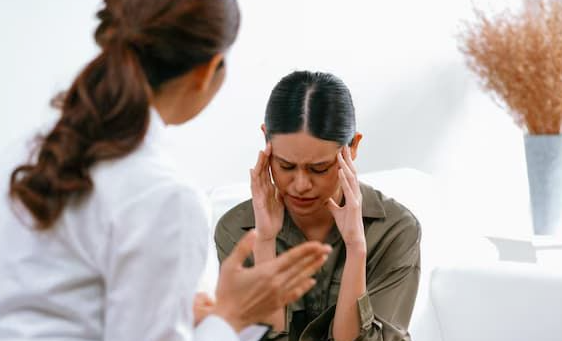
Traumatic experiences can affect how people think, feel, sleep, and respond to everyday situations. Although many individuals gradually recover after difficult events, others experience persistent emotional distress that interferes with their relationships, responsibilities, and overall well-being. Post-Traumatic Stress Disorder (PTSD) is a mental health condition that may develop after experiencing or witnessing a frightening, dangerous, or deeply distressing event.
Finding a Post Traumatic Stress Disorder doctor in San Fernando can be an important step toward understanding symptoms and exploring appropriate treatment. PTSD can affect people from different backgrounds, and its symptoms may appear immediately after trauma or become noticeable months or even years later.
Common symptoms include unwanted memories, distressing dreams, avoidance of reminders, heightened alertness, irritability, and feelings of emotional detachment. Some individuals also experience difficulty concentrating or maintaining healthy sleep patterns. These challenges can make ordinary activities feel exhausting, particularly when symptoms continue without adequate support.
When to Seek a Post Traumatic Stress Disorder Doctor in San Fernando
PTSD symptoms can vary considerably. Some people experience frequent flashbacks, while others struggle with anxiety, emotional numbness, or persistent negative thoughts. Recognizing when these difficulties begin affecting everyday life can help individuals decide when to seek professional assistance.
Consider seeking an assessment when you experience:
- Repeated nightmares or intrusive memories related to a traumatic event.
- Strong emotional or physical reactions to reminders of the experience.
- Avoidance of places, activities, conversations, or situations associated with trauma.
- Persistent feelings of guilt, fear, shame, anger, or hopelessness.
- Difficulty sleeping, concentrating, or maintaining relationships.
- A heightened startle response or a constant sense of being on guard.
A qualified mental health professional can assess symptoms, review relevant experiences, and determine whether they are consistent with PTSD or another condition. Treatment recommendations should reflect each person’s circumstances, preferences, and clinical needs.
A psychiatrist in San Fernando may evaluate psychiatric symptoms, consider whether medication could help, and coordinate care with other mental health professionals. A comprehensive approach can also address overlapping concerns such as depression, anxiety, substance use, and sleep disturbances.
Brain Health USA: Supporting Access to Mental Health Care
Brain Health USA provides a starting point for exploring mental health services, treatment considerations, and pathways toward professional support. When considering care for trauma-related symptoms, individuals may need guidance that addresses emotional symptoms alongside related psychiatric and behavioral health concerns.
Mental health support can involve psychiatric assessment, psychotherapy, symptom management, and referrals when specialized services are appropriate. The most suitable approach depends on clinical needs, available services, and the qualifications of the treating professionals.
For individuals exploring a trauma specialist in San Fernando, understanding the different types of mental health care can make the search less overwhelming. A psychiatrist may help assess psychiatric symptoms and medication needs, while a psychologist may provide psychological assessment and evidence-based therapy.
The Connection Between PTSD and Sleep-Wake Disorders Treatment in San Fernando
Sleep problems are common among people living with trauma-related symptoms. Distressing dreams, nighttime anxiety, intrusive memories, and heightened alertness can make it difficult to fall asleep or remain asleep. Poor sleep may then increase irritability, concentration difficulties, and emotional sensitivity during the day.
Sleep-wake disorders treatment in San Fernando may be relevant for individuals experiencing persistent sleep difficulties alongside trauma-related symptoms. A healthcare professional can assess sleep patterns, review possible contributing conditions, and recommend appropriate interventions.
Helpful strategies may include maintaining a consistent bedtime, limiting stimulating activities before sleep, creating a comfortable sleeping environment, and practicing relaxation exercises. However, persistent nightmares or severe insomnia may require more specialized care.
How Talk Therapy in San Fernando Can Help
Talk therapy in San Fernando may provide a structured environment for exploring difficult emotions, identifying unhelpful thought patterns, and developing practical coping skills. For individuals affected by trauma, therapy can help make overwhelming experiences easier to understand and manage.
Sessions may focus on recognizing emotional triggers, reducing avoidance, improving communication, and practicing grounding techniques. Grounding can help individuals reconnect with the present moment when they feel overwhelmed by distressing memories or anxiety.
Therapy can also help people identify personal strengths and establish realistic goals. Progress may happen gradually, and temporary discomfort can sometimes occur when addressing painful experiences. A trained therapist should help determine an appropriate pace and provide strategies for managing distress between sessions.
Addressing SUD and Depression in San Fernando Alongside PTSD
Trauma-related symptoms can occur alongside other mental health conditions, including depression and substance use disorder (SUD). When several concerns occur together, identifying and addressing each one can improve the overall quality of care.
Understanding SUD in San Fernando
Some people use alcohol or other substances in an attempt to manage intrusive memories, anxiety, or emotional pain. Although substance use may temporarily change how someone feels, it can worsen sleep, increase emotional instability, and interfere with recovery.
SUD in San Fernando is an important consideration for individuals who find it difficult to control substance use or continue using substances despite harmful consequences. Professional assessment can help determine whether substance-related treatment, counseling, medical supervision, or coordinated behavioral health services are appropriate.
Care should be compassionate and free from judgment. Trauma-related symptoms and substance use concerns can be addressed together through an individualized treatment plan.
Recognizing Depression in San Fernando
Depression may involve persistent sadness, loss of interest, fatigue, feelings of worthlessness, changes in appetite, or difficulty concentrating. When depression occurs alongside trauma-related symptoms, individuals may feel disconnected from activities and relationships that once provided meaning.
Depression in San Fernando can be addressed through professional assessment and evidence-based treatment. Depending on the person’s needs, care may involve psychotherapy, medication evaluation, behavioral strategies, or a combination of approaches.
If symptoms of depression or trauma-related distress make everyday responsibilities increasingly difficult, seeking professional help can provide an opportunity to understand what is happening and identify suitable next steps.
The Role of a Psychologist in San Fernando
A psychologist in San Fernando may help individuals understand emotional responses, recognize patterns in thinking, and develop strategies for managing distress. Depending on their training and scope of practice, psychologists can provide psychological assessments and specialized therapies for trauma-related symptoms.
Psychological treatment may focus on emotional regulation, coping skills, relationship difficulties, and the beliefs that develop after traumatic experiences. Individuals can also learn techniques for responding to triggers without allowing distress to dictate every decision.
When appropriate, psychologists may coordinate care with psychiatrists and other qualified professionals. This collaboration can be particularly valuable when trauma-related symptoms occur alongside sleep problems, depression, anxiety, or substance use concerns.
Frequently Asked Questions
1. What does a Post Traumatic Stress Disorder doctor in San Fernando do?
A qualified clinician evaluates trauma-related symptoms, considers possible diagnoses, and recommends appropriate treatment. Depending on professional training, care may include psychiatric assessment, medication management, psychotherapy, or coordination with other providers.
2. Can PTSD develop long after a traumatic event?
Yes. Symptoms may emerge shortly after trauma or become apparent months or years later. Anyone experiencing persistent distress, intrusive memories, avoidance, or related difficulties can seek a professional assessment.
3. Is therapy effective for PTSD?
Evidence-based therapies can help many people reduce trauma-related symptoms and improve daily functioning. Treatment approaches vary, and the most appropriate option depends on individual circumstances, preferences, and clinical assessment.
4. Can PTSD occur with depression or substance use disorder?
Yes. Trauma-related symptoms can coexist with depression and substance use disorder. Identifying these overlapping concerns allows healthcare professionals to develop a more comprehensive treatment plan.
5. When should someone seek professional help for PTSD?
Professional support is appropriate when symptoms persist, disrupt sleep or relationships, interfere with daily activities, or cause significant distress. If someone is in immediate danger or may harm themselves, they should contact local emergency services or seek urgent assistance.
Strict reminder from Brain Health USA to seek a doctor’s advice in addition to using this app and before making any medical decisions.
Read our previous blog post here: https://brainhealthusa.com/psychologist-in-el-monte/