
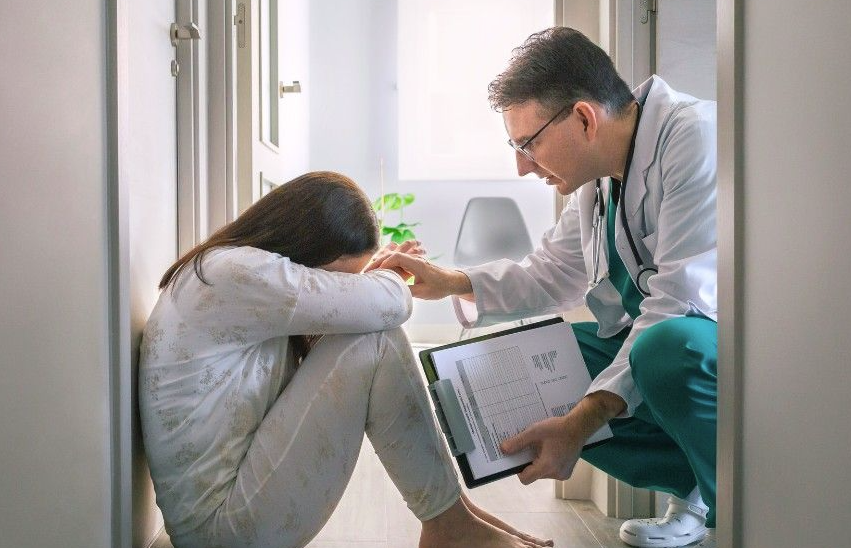
Mental health misinformation can make seeking help more difficult. It can also turn one person’s experience into a general rule that may not apply to others. Reliable information is more useful than stereotypes, whether you are considering care yourself or supporting someone you know. The myths below are addressed in public educational materials from the Substance Abuse and Mental Health Services Administration (SAMHSA) and the National Institute of Mental Health (NIMH). They are not statements from a Brain Health USA clinician or substitutes for an individual assessment.
Myth: Mental Health Problems Mean Someone Is Weak
SAMHSA explicitly rejects the idea that mental health conditions result from laziness, weakness, or a character flaw. Biological factors, life experiences, and family history can all contribute. Telling someone to “snap out of it” does not explain what they are experiencing or identify the support they need. Being capable in one area of life does not make distress in another area less significant.
NIMH’s information about depression provides a practical example: Depression can affect how a person thinks, feels, sleeps, eats, or works, and multiple factors may contribute. This does not mean that everyone who experiences a difficult day has a mental health disorder. A professional assessment considers symptom patterns and their effects rather than interpreting distress as evidence of personal failure.
Myth: Mental Health Conditions Cannot Affect People Like Me
SAMHSA identifies the belief that “mental health issues can’t affect me” as a myth. Mental health concerns are not limited to a particular family background, occupation, or outward appearance. NIMH explains that depression can affect individuals across different ages, cultures, education levels, and income groups. Someone does not need to fit a stereotype to deserve a conversation about their symptoms.
However, recognizing that mental health conditions are common does not provide a basis for self-diagnosis. An online story may help you find words to describe an experience without proving that you share the storyteller’s diagnosis. Bring specific observations and questions to a qualified professional, including what has changed and how it affects daily activities. You do not need a complete explanation before seeking help.
Myth: A Mental Health Diagnosis Means Someone Is Violent
SAMHSA’s mental health information challenges the stereotype that people with mental health conditions are generally violent. A diagnosis alone does not provide a complete description of someone’s behavior. Repeating this stereotype can encourage fear and make it more difficult for individuals to seek treatment or discuss their experiences openly.
Respond to actual circumstances rather than diagnostic labels. If there is a specific threat, immediate physical danger, or another emergency, seek appropriate assistance. This differs from assuming that everyone with a psychiatric diagnosis is dangerous. Respectful language and attention to observable behavior are more useful than assumptions based on medical terminology.
Myth: Therapy Is Pointless if Medication Exists
SAMHSA explains that treatment varies according to individual needs and may include psychotherapy, medication, or both. The American Psychiatric Association similarly describes several treatment approaches within psychiatry. Medication and psychotherapy are not competing moral choices, and receiving either treatment does not indicate how much effort someone is making. Their roles depend on individual circumstances and treatment goals.
NIMH cautions that individuals respond differently to medications and that finding an effective, tolerable option may take time. This does not mean everyone requires medication, that one medication works for everyone, or that an initial appointment guarantees a prescription. Ask a psychiatrist or another qualified clinician what the proposed treatment is intended to address, which alternatives are available, and how progress will be evaluated.
Myth: A Friend or Relative Cannot Make Any Difference
SAMHSA recognizes support from friends and loved ones as meaningful. You can listen, treat someone respectfully, help them find reliable information, or support their access to professional care. You do not need to become their clinician, provide a diagnosis, or promise to resolve their difficulties. Ask what kind of assistance would be helpful rather than making assumptions.
Personal support also has limitations. A conversation with a friend or relative cannot replace emergency assistance. NIMH advises calling 911 or going to the nearest emergency room in life-threatening situations. In the United States, individuals can call or text 988 for support during a suicidal crisis or emotional distress. People can also contact 988 when concerned about someone else.
How Can You Check a Mental Health Claim?
Look for an identifiable source, an explanation of what the information can and cannot establish, and a clear distinction between general education and individualized recommendations. Be cautious when a claim blames individuals for their symptoms, promises guaranteed results, or presents one person’s treatment experience as a universal rule.
Use reliable sources such as SAMHSA, NIMH, and the American Psychiatric Association to prepare informed questions rather than replace a professional discussion about your circumstances.
Sources
Get the Facts about Mental Health — https://www.samhsa.gov/mental-health/what-is-mental-health/facts
Mental Health Medications – National Institute of Mental Health (NIMH) — https://www.nimh.nih.gov/health/topics/mental-health-medications
Depression – National Institute of Mental Health (NIMH) — https://www.nimh.nih.gov/health/topics/depression
Psychiatry.org – What is Psychiatry? — https://www.psychiatry.org/patients-families/what-is-psychiatry
Help for Mental Illnesses – National Institute of Mental Health (NIMH) — https://www.nimh.nih.gov/health/find-help
Strict reminder from Brain Health USA to seek a doctor’s advice in addition to using this app and before making any medical decisions.
Read our previous blog post here: https://brainhealthusa.com/telehealth-in-monroe-new-york/