
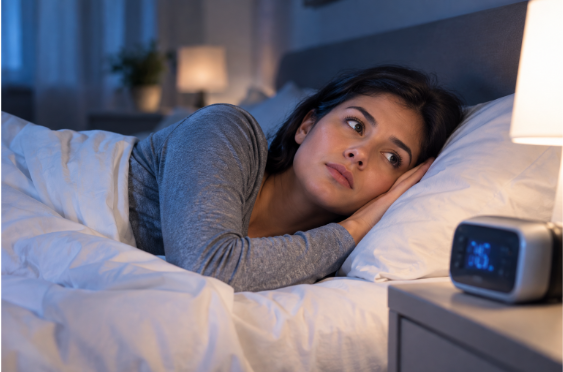
Sleep can influence nearly every part of daily life, from mood and concentration to energy, motivation, and the ability to manage ordinary responsibilities. When sleep repeatedly becomes difficult, the effects may extend well beyond nighttime. Trouble falling asleep, waking frequently, waking too early, sleeping excessively, or feeling unrefreshed after a full night’s sleep can make everyday activities feel harder than they should.
Finding the right support starts with understanding why sleep has become disrupted. A sleep disorders doctor in Avalon can evaluate sleep-related concerns while considering emotional health, medications, daily routines, and other factors that may be contributing to the problem. Brain Health USA can provide individualized psychiatric care that looks at the person as a whole rather than treating sleep difficulties as an isolated complaint.
Understanding When Sleep Becomes a Persistent Concern
Attention difficulties may overlap with anxiety, depression, autism, sleep problems, trauma, or substance use concerns. Recognizing these possibilities can help ensure that treatment considers the person’s broader symptoms, experiences, and daily functioning rather than focusing only on attention.
An autism spectrum disorder doctor in Avalon may be appropriate when attention concerns occur alongside social communication differences, sensory sensitivities, restricted interests, or developmental patterns requiring further evaluation. A broader assessment can help guide care that reflects the individual’s specific needs and goals.
Why Sleep and Mental Health Are Closely Connected
Sleep problems can appear alongside several psychiatric concerns. Persistent anxiety may make it difficult to quiet racing thoughts at night, while depression can affect sleep duration, energy, and morning routines. Stressful life changes may temporarily disrupt sleep, but prolonged disruption deserves closer attention.
The relationship can also work in the other direction. Repeated nights of poor sleep may leave someone more irritable, emotionally sensitive, distracted, or overwhelmed during the day.
Because of this two-way relationship, Brain Health USA can consider emotional and behavioral factors during a sleep-related evaluation. Instead of treating nighttime symptoms separately from daytime experiences, the clinician can look for connections between the two.
What a Sleep Evaluation May Look Like
A useful evaluation begins with a detailed conversation about sleep history and daily functioning rather than assuming a specific cause. Changes in work, parenting, travel, academic demands, stress, medications, or substance use can affect sleep patterns. A clinician may assess difficulty falling asleep or staying asleep, unusual sleep timing, daytime sleepiness, or other concerns to determine the most appropriate care.
Creating a More Individualized Treatment Plan
There is no single solution for every sleep concern. Treatment depends on symptoms, medications, preferences, and individual circumstances. A psychiatrist in Avalon may review medications, address related anxiety or depression, recommend behavioral strategies, or coordinate care when further evaluation is needed. Follow-up can also help adjust treatment as sleep patterns, schedules, or stressors change.
Sleep and Depression Can Reinforce Each Other
Sleep changes are common with depressive symptoms. Some people have difficulty sleeping or wake frequently, while others sleep more than usual but still feel tired. A depression doctor in Avalon can assess sleep changes alongside mood, motivation, energy, appetite, concentration, and daily functioning.
Addressing the broader picture is important because sleep problems may be connected to an underlying mood concern. Brain Health USA can consider sleep patterns as part of a broader psychiatric evaluation when appropriate.
Anxiety and the Mind That Will Not Switch Off
For some individuals, nighttime can make worries more noticeable as daily distractions fade. Concerns about work, relationships, health, or future decisions may interfere with sleep. An anxiety disorders doctor in Avalon can assess whether excessive worry, tension, or restlessness is contributing to sleep difficulties. Treatment may address both anxiety and sleep while supporting healthier routines and ways to manage nighttime thoughts.
When Substance Use Affects Sleep
Alcohol and other substances can disrupt sleep, even if they initially seem to make falling asleep easier. Ongoing use may lead to inconsistent sleep and make it harder to maintain a regular routine.
When substance use and sleep problems occur together, both concerns should be considered. Substance use disorder treatment in Avalon may support individuals who are having difficulty managing substance use. A broader approach can also explore connections with sleep, mood, anxiety, medications, and daily responsibilities.
Sleep Concerns in Adults With Changing Responsibilities
Sleep can become difficult when work, caregiving, parenting, commuting, and other responsibilities reduce time for rest. Changing routines and ongoing stress may also make healthy sleep habits harder to maintain.
Adult psychiatry in Avalon can provide a broader approach when sleep concerns occur alongside mood, anxiety, stress, or other psychiatric symptoms. An evaluation may consider work demands, relationships, medications, lifestyle, and changes in daily functioning.
The Value of Psychotherapy for Sleep-Related Difficulties
Sleep treatment does not always revolve around medication. For some individuals, psychotherapy can help uncover patterns that keep sleep problems going.
Psychotherapy in Avalon may provide an opportunity to examine stress, persistent worry, emotional responses, habits surrounding bedtime, and beliefs about sleep. For example, becoming increasingly worried about not sleeping can itself make bedtime more stressful, creating a cycle in which the person becomes tense before attempting to rest.
Therapeutic work can help individuals develop healthier responses to nighttime frustration and identify practical changes that fit their circumstances.
Depending on the situation, therapy may also address related concerns such as:
- Stress and emotional overload
- Anxiety and excessive worrying
- Depressive symptoms
- Relationship difficulties
- Adjustment to major life changes
- Unhelpful routines surrounding bedtime
Everyday Habits Can Support Better Sleep
Professional treatment can be complemented by consistent daily habits. Small changes may become more useful when they are realistic enough to maintain over time.
Helpful practices may include:
- Keeping a relatively consistent sleep and wake schedule
- Creating a quieter transition period before bedtime
- Limiting stimulating activities close to bedtime
- Keeping the sleeping environment comfortable and suitable for rest
- Paying attention to caffeine and other substances that may affect sleep
- Using the bed primarily for sleep rather than prolonged periods of wakefulness
These suggestions are not intended to replace professional assessment. Persistent or severe sleep problems may require a more individualized evaluation.
When Sleep Problems Need a Broader Evaluation
Sometimes, the key question is not simply how to sleep better but what may be interfering with sleep. Anxiety, depression, medications, stress, and inconsistent routines can all contribute to ongoing sleep difficulties.
A psychiatrist in Avalon may review sleep, mood, behavior, medications, and daily responsibilities to better understand the overall pattern. When appropriate, psychiatric care can also be coordinated with other healthcare services if symptoms suggest a sleep condition requiring additional evaluation.
A Treatment Plan That Can Adapt Over Time
Sleep is influenced by life circumstances, so treatment may need to evolve as those circumstances change. A new job, changing family responsibilities, travel, emotional stress, medication changes, or a shift in daily routines can all affect nighttime patterns.
Brain Health USA can approach follow-up care as an ongoing process. Rather than expecting immediate perfection, treatment can focus on identifying meaningful changes, understanding setbacks, and adjusting strategies when circumstances require it.
A psychiatrist in Avalon can remain involved when psychiatric follow-up is appropriate, helping review symptoms and determine whether the current approach continues to match the individual’s needs.
Choosing Support for Persistent Sleep Difficulties
Choosing professional care for sleep concerns is about more than finding someone who treats insomnia. The right evaluation should consider the person’s overall functioning and the factors that may be keeping the problem going.
Brain Health USA provides individualized psychiatric care that considers sleep alongside mood, anxiety, substance use, stress, medications, and other factors. Depending on individual needs, care may include psychiatric evaluation, medication management, psychotherapy, or coordination with other professionals. The goal is to understand sleep patterns and identify practical next steps that fit daily life.
Conclusion
Persistent sleep problems can affect energy, mood, concentration, relationships, and daily responsibilities. A sleep disorders doctor in Avalon can explore possible causes and determine whether psychiatric, behavioral, or coordinated care may help. Brain Health USA considers sleep alongside broader emotional and daily concerns, helping guide a personalized treatment approach for more consistent routines and improved daily functioning.
Take the Next Step Toward Support
If persistent sleep difficulties are affecting mood, energy, concentration, or daily responsibilities, professional guidance can help clarify the next steps. Brain Health USA can evaluate sleep concerns alongside broader needs. Speaking with a psychiatrist in Avalon may help determine whether evaluation, medication management, psychotherapy, or coordinated care is appropriate.
Strict reminder from Brain Health USA to seek a doctor’s advice in addition to using this app and before making any medical decisions.
Read our previous blog post here: https://brainhealthusa.com/attention-deficit-hyperactivity-disorder-doctor-in-artesia/