
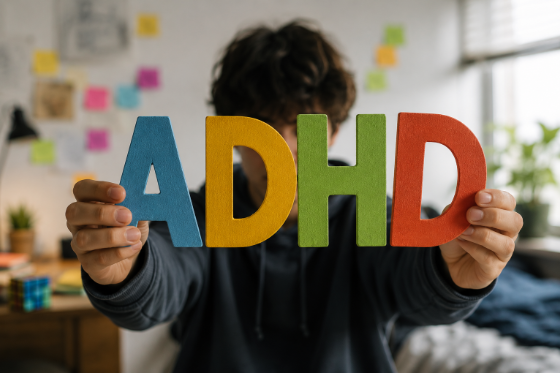
Difficulty paying attention happens to everyone occasionally. A child may miss homework instructions, a teenager may forget an assignment, or an adult may become distracted during a meeting. However, when attention, organization, impulsivity, or activity-level concerns repeatedly interfere with daily responsibilities, an attention-deficit hyperactivity disorder doctor in Artesia can provide a more thorough evaluation.
Attention-deficit hyperactivity disorder (ADHD) involves more than distraction or motivation. It can affect time management, transitions, memory, emotional regulation, and responses to competing demands. Brain Health USA considers factors such as developmental history, sleep, mood, environment, learning experiences, and family history to better understand each person’s symptoms. Pasted markdown
Looking Beyond the Stereotype of ADHD
ADHD is often associated with obvious hyperactivity, but that is only part of the picture. Some people primarily struggle with inattention, while others experience significant impulsivity or restlessness. Symptoms can also change as a person gets older.
A young child may have difficulty remaining seated or following instructions. An adolescent might struggle with deadlines, organization, and emotional reactions. Adults may notice problems with time management, prioritizing tasks, maintaining routines, or completing projects.
The presentation can also differ between settings. Someone may appear highly organized at school or work while using considerable effort to maintain that appearance and becoming overwhelmed at home.
This is why a thoughtful evaluation should examine patterns rather than relying on a short list of familiar symptoms.
What an ADHD Evaluation May Explore
An evaluation is intended to understand how attention and executive functioning difficulties affect a person’s life. A clinician may ask about current symptoms while also looking backward to understand when certain patterns first appeared.
Relevant areas can include:
- Attention and distractibility
- Impulsive decision-making or interruptions
- Organization and time management
- Ability to start and finish tasks
- Emotional regulation and frustration tolerance
- School, work, and relationship functioning
- Childhood development and behavioral history
- Sleep patterns and daily routines
Information from parents, teachers, partners, or other people who know the patient well may sometimes provide useful context when appropriate.
Brain Health USA can use these different perspectives to create a more complete picture instead of making decisions based on one appointment or one person’s observations alone.
Why Childhood History Matters
ADHD assessment can benefit from understanding a child’s developmental history and behavior across different settings. Parents, caregivers, and teachers may provide useful observations about attention, organization, and behavior.
Child adolescent psychiatry in Artesia can offer age-appropriate psychiatric support while considering the young person’s developmental stage rather than applying adult expectations to children and adolescents.
ADHD and Executive Functioning
Many people associate ADHD mainly with attention, but executive functioning also affects everyday life. These skills help with organizing information, prioritizing tasks, managing time, controlling impulses, switching activities, and completing plans.
Someone may know what needs to be done but still struggle to start or finish tasks, which can create frustration. Treatment planning can therefore focus on practical daily functioning rather than attention alone.
The Relationship Between ADHD and Sleep
Sleep can strongly influence attention and emotional regulation. Poor sleep may make it harder to concentrate, remember information, or manage irritability. At the same time, some people with ADHD may struggle with bedtime routines, winding down, or maintaining a regular schedule.
An insomnia doctor in Artesia can evaluate ongoing sleep difficulties when they occur alongside attention concerns. Brain Health USA can consider sleep habits as part of a broader psychiatric evaluation rather than viewing concentration problems in isolation.
ADHD and Autism Can Sometimes Overlap
ADHD and autism are separate conditions, but some characteristics can overlap. Both may involve difficulties with organization, social functioning, sensory experiences, or adapting to certain situations.
An ASD doctor in Artesia can evaluate developmental history, communication, social interaction, restricted or repetitive behaviors, sensory experiences, and other features associated with autism spectrum disorder.
For some individuals, understanding whether attention difficulties exist alongside autism can make treatment planning more precise. The goal is not simply to assign labels but to understand what kinds of support are actually useful.
Emotional Regulation and ADHD
Attention difficulties can sometimes come with strong emotional reactions, such as quick frustration, impulsive responses, or difficulty recovering from disappointment. These patterns may affect relationships and self-confidence, especially when repeated criticism leads someone to feel misunderstood or labeled as “lazy.”
Understanding what happens before, during, and after these reactions can be helpful. A psychologist in Artesia may provide therapy or psychological support to help identify triggers, manage responses, improve communication, and develop routines that reduce unnecessary stress.
ADHD and Academic Challenges
For children and teenagers, ADHD may become more noticeable as academic demands increase. A student may understand the material but struggle with organizing assignments, remembering deadlines, or completing multistep tasks.
Practical strategies such as breaking tasks into smaller steps, creating routines, using reminders, and reducing distractions can support executive functioning. When appropriate, communication among parents, clinicians, schools, and other professionals can also help create coordinated support with proper consent.
ADHD in Adults Looks Different
ADHD does not necessarily disappear when someone becomes an adult. Instead, the way difficulties appear may change.
An adult may struggle with:
- Keeping track of appointments and deadlines
- Prioritizing competing responsibilities
- Maintaining household routines
- Completing long-term projects
- Managing interruptions and distractions
- Remembering details during conversations
- Regulating frustration in demanding situations
Adults with attention difficulties may depend on reminders, lists, alarms, and routines to stay organized. A psychiatrist in Artesia can conduct a psychiatric evaluation to determine whether these patterns are related to ADHD or another concern and identify appropriate treatment options.
Distinguishing ADHD From Mood Disorders
Concentration problems can occur with several psychiatric conditions, including depression, anxiety, trauma-related conditions, sleep problems, and mood disorders. Depression may affect attention through low energy or persistent negative thoughts, while manic or hypomanic periods can involve racing thoughts and difficulty staying focused.
A bipolar disorder doctor in Artesia can evaluate mood patterns when changes in energy, sleep, impulsivity, or unusually elevated or irritable mood are present. Identifying the underlying concern helps ensure treatment addresses the broader condition rather than focusing only on concentration.
Trauma Can Also Affect Concentration
Traumatic experiences can affect attention, memory, sleep, emotional responses, and a person’s sense of safety. A post traumatic stress disorder doctor in Artesia can evaluate trauma-related symptoms when there is a history of distressing or frightening experiences.
Understanding this context can help clinicians distinguish trauma-related concentration difficulties from ADHD or other concerns.
Therapy and Behavioral Strategies Can Complement Psychiatric Care
Attention-deficit hyperactivity disorder treatment does not always center on medication. Behavioral strategies and therapy can support organization, emotional regulation, communication, frustration tolerance, procrastination, and relationship challenges.
A psychologist in Artesia may provide therapy-based support when appropriate, while caregivers of younger patients can receive guidance on routines, expectations, and positive behaviors. Combining psychiatric and psychological support may help when attention difficulties affect multiple areas of daily life.
Telehealth and Continuing ADHD Care
Ongoing psychiatric appointments do not always require a traditional office setting. For appropriate patients, telehealth in Artesia can provide another way to stay connected with a treatment team through medication management visits, treatment discussions, and follow-ups when remote care is clinically suitable.
A quiet, private setting, reliable device, and stable internet connection can help support virtual appointments. A psychiatrist in Artesia may also be considered as part of a broader care pathway when specialized psychiatric follow-up or medication management is needed.
Helping Families Understand ADHD Without Blame
One valuable part of an attention-deficit hyperactivity disorder evaluation is helping families understand behavior in context. A child who forgets instructions may not be intentionally ignoring a parent, while an adolescent who procrastinates or an adult who struggles with organization may be experiencing attention or executive functioning challenges.
Brain Health USA emphasizes individualized care that focuses on practical support rather than blame, including adjustments to routines, reminders, communication, and the environment.
Final Thoughts: Supporting Attention, Organization, and Daily Functioning
ADHD can affect more than attention or activity level. It may influence planning, memory, time management, emotional regulation, school or work responsibilities, and relationships. An attention-deficit hyperactivity disorder doctor in Artesia can consider these patterns alongside developmental history, sleep, mood, trauma, autism-related traits, and other factors that may affect concentration.
Brain Health USA focuses on individualized care that may include medication management, therapy, behavioral strategies, family education, or coordinated support. When additional psychiatric expertise is needed, a psychiatrist in Artesia may be part of the broader care pathway. With appropriate evaluation and ongoing support, individuals can develop practical strategies for managing attention-related challenges in everyday life.
Strict reminder from Brain Health USA to seek a doctor’s advice in addition to using this app and before making any medical decisions.
Read our previous blog post here: https://brainhealthusa.com/telehealth-in-san-dimas/