

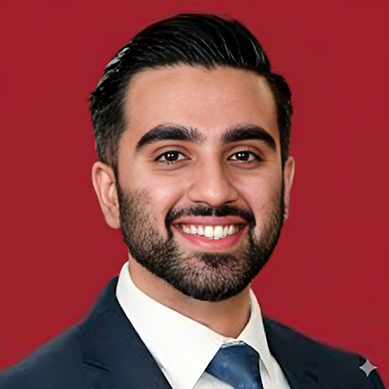
Dr. Mutahir Farhan is a physician specializing in addiction medicine and psychiatric care, dedicated to providing comprehensive, evidence-based treatment for individuals with substance use and co-occurring mental health disorders. He is committed to delivering patient-centered care that integrates medical, psychological, and social approaches to support long-term recovery and wellness.
Dr. Farhan earned his medical degree from the University of California, Riverside School of Medicine and completed his internal medicine residency at the same institution. He has pursued advanced fellowship training in addiction medicine, including programs at Harvard Medical School/Boston Children’s Hospital and the University of California, Irvine, where he developed expertise in treating adolescents and adults with substance use and psychiatric conditions.
His clinical experience spans inpatient, outpatient, and telemedicine settings, where he provides comprehensive psychiatric evaluations, develops individualized treatment plans, and manages medication-assisted treatment (MAT) for substance use disorders. He treats a wide range of conditions, including opioid and alcohol use disorders, as well as co-occurring psychiatric conditions such as depression, anxiety, bipolar disorder, and trauma-related disorders.
Dr. Farhan utilizes evidence-based therapeutic approaches such as motivational interviewing, cognitive behavioral strategies, and trauma-informed care. He works closely with multidisciplinary teams to coordinate care and ensure patients receive holistic support across all aspects of their treatment.
In addition to his clinical work, Dr. Farhan is actively involved in education and public health initiatives. He has developed large-scale educational platforms to improve health literacy and has collaborated with organizations such as the World Health Organization to combat medical misinformation and promote accurate health education.
Dr. Farhan is known for his compassionate, collaborative approach and his focus on empowering patients through education, harm-reduction strategies, and personalized care. He strives to create a supportive environment where patients feel understood and motivated to achieve lasting recovery.