
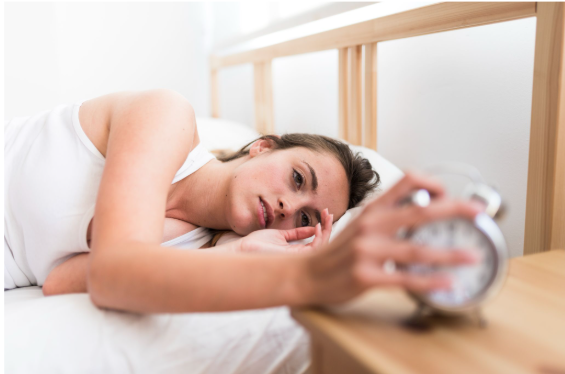
Sleep affects concentration, memory, emotional regulation, and daily functioning. When rest becomes inconsistent or unrefreshing, familiar routines may feel more difficult. A sleep disorders doctor in Hawaiian Gardens can help identify persistent sleep concerns and explore appropriate treatment options. Sleep problems may involve difficulty falling asleep, frequent nighttime awakenings, or daytime fatigue. At Brain Health USA, sleep concerns are considered alongside physical health, emotional well-being, and daily habits to help identify possible causes and support better rest.
Understanding Why Sleep Problems Deserve Attention
Occasional sleeplessness may occur during periods of stress, illness, or changes in routine. Persistent sleep problems, however, can interfere with daily activities and leave individuals feeling tired despite spending enough time in bed.
Some people struggle with racing thoughts, frequent awakenings, irregular sleep schedules, or daytime sleepiness. Poor sleep can also affect memory, emotional regulation, and relationships.
A psychiatrist in Hawaiian Gardens can assess sleep difficulties alongside emotional symptoms, medications, and other health concerns. Brain Health USA considers these factors to help guide appropriate care, including medical evaluation or referral to a sleep specialist when needed.
Different Sleep Disorders Require Different Approaches
Sleep disorders involve more than difficulty falling asleep. Their causes, symptoms, and effects can vary considerably, making it important to understand the particular pattern a person experiences.
Insomnia and nighttime wakefulness
Insomnia involves difficulty falling asleep, frequent awakenings, waking too early, or feeling unrefreshed. Persistent symptoms can affect mood, concentration, and energy. Treatment may include cognitive behavioral therapy for insomnia, sleep habit adjustments, or medication when appropriate.
Sleep apnea and breathing disruptions
Sleep apnea causes repeated breathing interruptions during sleep. Signs may include loud snoring, gasping, morning headaches, and daytime sleepiness. Medical assessment can help determine appropriate treatment, such as breathing devices or other interventions.
Circadian rhythm sleep-wake problems
Circadian rhythm problems occur when sleep timing conflicts with daily responsibilities. Individuals may feel alert late at night but struggle to wake early. Assessment can help identify sleep schedule disruptions and possible underlying causes.
Restless legs and unusual sleep behaviors
Restless legs can cause uncomfortable sensations and an urge to move, making sleep difficult. Others experience unusual movements or behaviors during sleep. Evaluation can help identify the cause and determine whether further testing is needed.
The Connection Between Sleep and Emotional Well-Being
Sleep and emotional health can affect each other. Anxiety may make it difficult to relax at night, while poor sleep can intensify daily worries. Depression may also cause early awakening, excessive sleeping, fatigue, or reduced interest in activities.
A depression doctor in Hawaiian Gardens can assess persistent sadness, low energy, and sleep changes to determine appropriate treatment options. Brain Health USA emphasizes individualized care that considers emotional symptoms alongside possible medical conditions, medication effects, and sleep disorders.
Supporting Children and Adolescents With Sleep Difficulties
Children and teenagers have changing sleep needs influenced by school schedules, electronic devices, activities, and developmental changes. Sleep difficulties may appear as irritability, unusual restlessness, daytime fatigue, or trouble waking up. Stress, anxiety, and inconsistent routines may also contribute.
Child adolescent psychiatry in Hawaiian Gardens may be helpful when sleep problems occur alongside emotional, behavioral, or developmental concerns. Brain Health USA emphasizes considering each young person’s developmental needs, family observations, school experiences, and personal concerns when exploring appropriate support.
When Attention Difficulties and Sleep Problems Overlap
Sleep deprivation can affect attention, memory, planning, and impulse control, sometimes causing symptoms that resemble ADHD. An ADHD doctor in Hawaiian Gardens can assess attention-related concerns by reviewing developmental history, symptoms across different settings, and their impact on daily responsibilities. A thorough evaluation helps determine whether difficulties stem from ADHD, insufficient sleep, or other factors. For children, caregiver and teacher observations can provide valuable insight, while adults may benefit from discussing earlier experiences to clarify when symptoms began.
Autism and Individualized Sleep Support
Sleep difficulties can affect autistic children and adults in different ways. Sensitivity to light or sound, bedtime transitions, and demanding daily experiences may make settling down difficult.
An autism spectrum disorder doctor in Hawaiian Gardens may assess autism-related concerns when sleep problems occur alongside sensory, communication, or developmental differences. Support may include predictable bedtime routines, reduced sensory distractions, and clear communication about schedule changes.
However, autism does not explain every sleep problem. Persistent insomnia, breathing difficulties, or medication effects may require separate evaluation. Brain Health USA emphasizes individualized care that considers each person’s needs and daily functioning.
Practical Habits That May Support Better Sleep
Daily habits can influence sleep quality, although they may not resolve every underlying sleep disorder. Small, sustainable adjustments can help establish a more predictable rhythm and make it easier to recognize persistent problems.
Helpful practices may include:
- Maintaining a consistent wake-up time, including on most weekends.
- Creating a comfortable bedroom with suitable darkness, temperature, and minimal noise.
- Reducing caffeine later in the day and avoiding alcohol as a sleep aid.
- Allowing time to unwind before bed instead of working or engaging in stimulating activities until the last moment.
- Recording recurring sleep difficulties and daytime symptoms to discuss during an appointment.
People who remain awake for extended periods may benefit from learning structured behavioral strategies rather than repeatedly checking the clock or forcing themselves to sleep.
These habits are not a substitute for medical evaluation when symptoms suggest sleep apnea, persistent insomnia, or another sleep disorder. They are best viewed as part of a broader approach tailored to the individual’s circumstances.
Telehealth Approaches to Managing Sleep Concerns
Accessing appointments can be difficult for people balancing work, school, caregiving, or transportation needs. Telehealth in Hawaiian Gardens may allow eligible patients to discuss sleep concerns with a qualified provider remotely. Virtual appointments can support symptom reviews, medication discussions, and follow-up care. However, some sleep conditions require physical examinations or specialized testing. Brain Health USA encourages patients to consider available care options based on their clinical needs, privacy, and continuity of treatment.
Treatment Planning and Ongoing Follow-Up
Effective sleep care depends on identifying the problem and choosing an approach that addresses its contributing factors. Depending on the evaluation, treatment may involve behavioral therapy, management of an underlying medical or psychiatric condition, medication when appropriate, or referral to a sleep specialist.
Follow-up appointments provide opportunities to review changes in sleep quality, daytime alertness, emotional well-being, and treatment tolerability. If an approach is not helping, the plan may need to be reassessed.
People should discuss concerns about medication effects, ongoing fatigue, or new symptoms with their healthcare provider. Prescribed medication should not be changed or discontinued without appropriate guidance.
A psychiatrist in Hawaiian Gardens may contribute to treatment when sleep difficulties are associated with psychiatric symptoms, while other qualified professionals can address medical or sleep-specific conditions as needed.
Take the Next Step Toward Healthier Sleep
Persistent sleep problems can affect nearly every part of daily life, from maintaining concentration to managing emotions and participating in meaningful activities. Understanding the pattern of disrupted sleep is an important step toward identifying suitable support.
Brain Health USA recognizes that sleep concerns deserve attention within the context of each person’s health, routines, and personal needs. Whether difficulties involve insomnia, daytime fatigue, emotional distress, or developmental concerns, professional guidance can help clarify the available options.
If sleep problems continue to affect your well-being, consider speaking with a qualified healthcare professional. With appropriate assessment and an individualized plan, you can work toward more restorative sleep and a healthier, more manageable daily routine.
Strict reminder from Brain Health USA to seek a doctor’s advice in addition to using this app and before making any medical decisions.
Read our previous blog post here: https://brainhealthusa.com/anxiety-doctor-in-bell-gardens/