
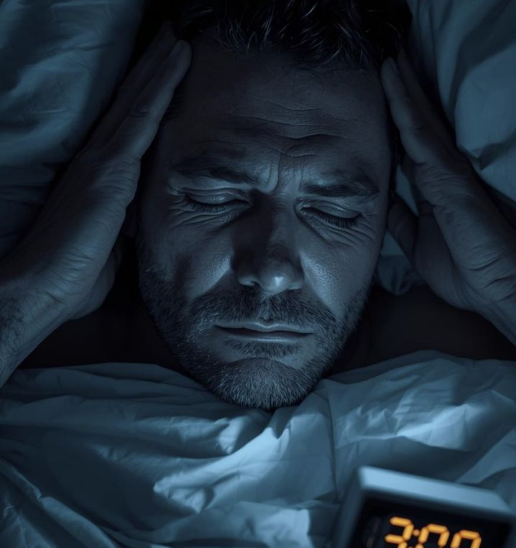
Sleep plays an important role in emotional balance, concentration, energy, and overall quality of life. When difficulty falling asleep, staying asleep, or waking too early becomes persistent, it can affect much more than nighttime rest. Ongoing sleep problems may influence mood, daily productivity, relationships, and the ability to manage everyday stress. For people experiencing these challenges, finding an insomnia doctor in Agoura Hills can be an important step toward understanding the underlying causes and exploring appropriate care.
Insomnia can occur on its own, but it may also appear alongside anxiety, depression, trauma-related symptoms, or other mental health concerns. A comprehensive evaluation can help identify patterns and determine whether sleep difficulties may be connected to broader emotional or behavioral concerns. Working with a qualified psychiatrist in Agoura Hills can provide an opportunity to discuss symptoms, lifestyle factors, treatment preferences, and goals in a structured setting.
Understanding Insomnia and Its Impact
Insomnia is more than simply having an occasional restless night. It generally involves persistent difficulty falling asleep, remaining asleep, or obtaining restorative sleep despite having an opportunity to rest. Some people may experience short-term sleep disruption, while others develop ongoing patterns that interfere with daytime functioning.
Common experiences associated with insomnia include:
- Difficulty falling asleep at bedtime
- Waking repeatedly during the night
- Waking earlier than intended
- Feeling tired despite spending enough time in bed
- Difficulty concentrating during the day
- Irritability or changes in mood
- Reduced motivation and daytime energy
The causes of insomnia can vary considerably. Stressful life events, irregular schedules, changes in routine, medical concerns, medications, and emotional difficulties may all contribute. Anxiety disorders in Agoura Hills can also make it difficult for the mind to settle at night, especially when persistent worrying becomes part of the bedtime routine.
Recognizing the relationship between sleep and mental wellness can make it easier to seek appropriate support instead of treating sleeplessness as an isolated problem.
When to Consider an Insomnia Doctor in Agoura Hills
An occasional poor night’s sleep is common, but persistent insomnia deserves attention when it begins affecting daily life. An insomnia doctor in Agoura Hills can help evaluate the nature of the sleep concern and consider whether another condition may be contributing to the symptoms.
A professional evaluation may explore sleep patterns, emotional symptoms, stress levels, medications, routines, and other relevant factors. The goal is not simply to focus on the number of hours slept but to understand the complete picture.
Seeking professional guidance may be especially useful when:
- Sleep difficulties continue for an extended period
- Daytime fatigue interferes with normal activities
- Worry about sleep makes bedtime stressful
- Mood changes accompany poor sleep
- Trauma-related symptoms affect nighttime rest
- Sleep problems occur alongside anxiety disorders
- Previous approaches have not provided lasting improvement
A personalized evaluation can help establish practical next steps while avoiding a one-size-fits-all approach.
The Connection Between Insomnia and Anxiety Disorders
Insomnia and anxiety disorders frequently interact in complicated ways. Anxiety in Agoura Hills can make it difficult to relax, while insufficient sleep can make emotional regulation more challenging. This can create a cycle in which nighttime worry contributes to poor sleep and poor sleep increases sensitivity to everyday stress.
For some individuals, bedtime provides fewer distractions, allowing worries to become more noticeable. Thoughts about work, relationships, health, responsibilities, or upcoming events may become difficult to quiet. Over time, the bedroom itself may become associated with frustration and anticipation rather than relaxation.
Addressing both sleep concerns and anxiety symptoms can therefore be an important part of comprehensive care. A psychologist in Agoura Hills can discuss symptoms across different areas rather than treating each concern as completely unrelated.
Insomnia and PTSD-Related Sleep Problems
Insomnia can also occur alongside PTSD in Agoura Hills. Trauma-related symptoms may include distressing memories, heightened alertness, nightmares, or difficulty feeling safe enough to relax. These experiences can interfere with both falling asleep and remaining asleep.
When PTSD and insomnia occur together, understanding the relationship between them can be helpful. Sleep difficulties may intensify emotional exhaustion, while nighttime symptoms may reinforce concerns about going to bed.
Professional mental health care can provide a structured environment for discussing these experiences. Treatment planning may focus on the individual’s symptoms, history, preferences, and response to previous approaches.
What to Expect From a Psychiatrist in Agoura Hills
A psychiatrist in Agoura Hills can evaluate mental health symptoms and consider how they may relate to sleep difficulties. An initial appointment may involve questions about sleep habits, emotional well-being, stressors, medications, previous treatment, and the impact of symptoms on everyday activities.
The evaluation may also consider whether symptoms suggest insomnia alone or whether additional concerns should be explored. This broader perspective can be particularly valuable when sleep disruption occurs with anxiety disorders or PTSD.
Care may involve several elements depending on individual circumstances. These can include behavioral strategies, sleep-focused recommendations, psychotherapy referrals or coordination, medication discussions when appropriate, and continued monitoring.
The purpose of ongoing care is to understand what is happening over time and make adjustments when needed.
Building Healthier Sleep Habits
Professional treatment can be supported by consistent sleep habits. Although healthy routines may not resolve every cause of insomnia, they can create better conditions for restorative sleep.
Helpful habits may include maintaining a relatively consistent sleep schedule, creating a calming bedtime routine, limiting stimulating activities close to bedtime, and making the sleeping environment comfortable and quiet.
It can also be useful to pay attention to patterns. Keeping track of bedtime, wake time, nighttime awakenings, daytime fatigue, and factors that seem to influence sleep can provide useful information during a professional evaluation.
Small, consistent changes are often easier to maintain than attempting to completely redesign a routine overnight.
Brain Health USA and Comprehensive Mental Health Support
Brain Health USA provides a dedicated mental health perspective for individuals seeking support for concerns that may affect emotional and psychological well-being. When insomnia occurs alongside anxiety disorders, PTSD, or other mental health symptoms, looking at the complete picture can be valuable.
Brain Health USA emphasizes the importance of individualized mental health care. Sleep concerns can be discussed as part of a broader assessment rather than viewed only as an isolated nighttime problem.
For individuals searching for an insomnia doctor in Agoura Hills, connecting sleep concerns with overall mental wellness may help create a clearer path toward care. Brain Health USA can be part of that search for people exploring psychiatric support and related mental health services.
Frequently Asked Questions
What does an insomnia doctor in Agoura Hills treat?
An insomnia doctor in Agoura Hills can evaluate persistent difficulties with falling asleep, staying asleep, or waking too early. The evaluation may also explore emotional, behavioral, lifestyle, and mental health factors that could be contributing to sleep disruption.
Can anxiety disorders contribute to insomnia?
Yes. Anxiety disorders can involve persistent worry, physical tension, racing thoughts, and difficulty relaxing, all of which may interfere with sleep. When anxiety and insomnia occur together, addressing the broader pattern can be useful.
Can PTSD affect sleep?
PTSD can be associated with sleep disruption, including nightmares, heightened alertness, distressing memories, and difficulty relaxing at night. A mental health professional can evaluate these symptoms and discuss appropriate treatment options.
When should I see a psychiatrist in Agoura Hills for sleep problems?
Consider professional support when sleep difficulties persist, interfere with daytime functioning, or occur with significant anxiety, trauma-related symptoms, mood changes, or other mental health concerns. A psychiatrist in Agoura Hills can assess the overall situation and discuss potential care options.
How can Brain Health USA support people experiencing insomnia?
Brain Health USA offers a mental health-focused approach that can help individuals explore concerns such as insomnia, anxiety disorders, and PTSD. Care can be centered on understanding individual symptoms and identifying appropriate mental health support.
Strict reminder from Brain Health USA to seek a doctor’s advice in addition to using this app and before making any medical decisions.
Read our previous blog post here: https://brainhealthusa.com/post-traumatic-stress-disorder-doctor-in-agoura-hills/