
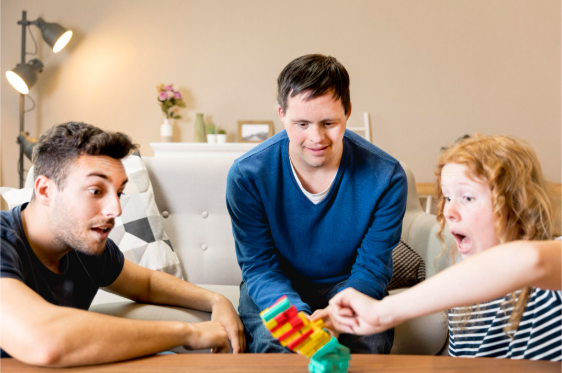
Autism spectrum disorder (ASD) can influence communication, social interaction, sensory processing, and daily routines. Because autism is a spectrum, each person has different strengths, preferences, and support needs, ranging from assistance with social expectations to help with everyday activities.
For those seeking an ASD doctor in Genesee, New York, Brain Health USA emphasizes individualized assessment that considers developmental history, daily experiences, and personal challenges. The goal is to identify appropriate support while respecting each individual’s identity, preferences, and autonomy.
Recognizing Autism-Related Characteristics in Everyday Life
Autism-related characteristics may appear in early childhood or become noticeable later. These can include differences in communication, repetitive behaviors, sensory sensitivities, and a preference for predictable routines. Such traits may affect daily life at home, school, work, or in social settings.
Not every difference requires intervention. Brain Health USA emphasizes recognizing individual strengths while identifying challenges that cause distress or limit participation. Observing triggers and helpful accommodations can guide families toward practical support that respects each person’s needs and preferences.
How an Autism Assessment Is Conducted
An autism evaluation examines development, communication, behavior, and daily functioning. A psychiatrist in Genesee, New York, may review developmental history, social interaction, sensory experiences, repetitive behaviors, and previous assessments. Depending on the individual’s needs, the process may include caregiver input, direct observation, questionnaires, or standardized tools. Clinicians may also consider other explanations for overlapping symptoms. Brain Health USA emphasizes clear communication to help individuals and families understand the findings and appropriate next steps.
Building Support Around Individual Strengths and Needs
An autism diagnosis does not mean everyone has the same support needs. Brain Health USA emphasizes individualized care that considers communication preferences, sensory needs, abilities, and personal goals. Children may benefit from communication support, while teenagers may need help developing self-advocacy skills and independence.
For adults, support may focus on workplace communication, household responsibilities, social expectations, or manageable routines. The goal is to provide appropriate assistance and accommodations that promote autonomy and everyday well-being.
A personalized support plan may focus on:
- Strengthening communication and helping individuals express preferences, discomfort, and boundaries.
- Identifying sensory triggers and adjusting environments when practical.
- Developing strategies for transitions, planning, and daily responsibilities.
- Supporting independence without disregarding the person’s need for assistance.
Brain Health USA promotes collaborative, individualized support that includes autistic individuals in planning. Caregivers can share observations about children, while young people participate in age-appropriate decisions as their needs and priorities evolve.
Psychiatric Support for Children and Teenagers
Children and teenagers may face changing autism-related challenges as school demands, friendships, and expectations surrounding independence increase. Noisy environments, unexpected changes, and social pressures can contribute to distress at home or school.
Child adolescent psychiatry in Genesee, New York, may help when autistic young people experience anxiety, mood changes, irritability, or other concerns that affect daily functioning. Brain Health USA emphasizes developmentally appropriate care that considers the young person’s perspective and caregiver observations to identify meaningful support.
Distinguishing Autism-Related Behaviors From OCD Symptoms
Autism and obsessive-compulsive disorder (OCD) can both involve repetitive behaviors, but their underlying causes may differ. An autistic person may repeat activities for comfort or enjoyment, while someone with OCD may perform rituals to reduce distress caused by intrusive thoughts. An obsessive-compulsive disorder doctor in Genesee, New York, can assess these patterns and determine whether specialized treatment may be helpful. Brain Health USA emphasizes individualized assessment that respects harmless autistic routines while addressing OCD symptoms that cause significant distress or interfere with daily life.
Managing Sleep Challenges Among Autistic Individuals
Sleep difficulties can affect concentration, mood, and daily routines for autistic individuals. Sensory sensitivities, anxiety, medication effects, and irregular schedules may contribute to difficulty falling asleep or staying asleep.
A sleep disorders doctor in Genesee, New York, can assess persistent sleep concerns and determine whether further evaluation is needed. Brain Health USA emphasizes individualized sleep support, including comfortable environments and predictable routines tailored to each person’s needs and preferences.
Understanding Attention and Executive Function Challenges
Some autistic individuals experience challenges with planning, organizing tasks, shifting attention, or managing changes in routines. These difficulties can affect school, work, and everyday responsibilities.
An ADHD doctor in Genesee, New York, can assess symptoms of inattention, impulsivity, or hyperactivity. Autism and ADHD can co-occur, but a comprehensive evaluation is needed to distinguish overlapping symptoms and identify appropriate support.
Brain Health USA encourages practical strategies such as breaking tasks into smaller steps, using reminders, and allowing time for transitions. Individualized support can build on personal strengths and address challenges without relying on unrealistic expectations.
Working With a Psychologist on Emotional and Behavioral Goals
Autistic individuals may seek psychological support for anxiety, emotional regulation, self-esteem, or relationship challenges. A psychologist in Genesee, New York, may provide assessment or therapy focused on coping skills, communication, and everyday difficulties. Support should accommodate individual communication styles and sensory needs while respecting harmless self-regulating behaviors.
Therapy may focus on several areas:
- Emotional regulation: Developing strategies to recognize and manage overwhelming emotions.
- Communication skills: Exploring ways to express needs, preferences, and boundaries comfortably.
- Sensory accommodations: Identifying environmental triggers and adjusting routines to reduce distress.
- Self-esteem and independence: Building confidence, recognizing personal strengths, and supporting meaningful daily activities.
Brain Health USA emphasizes personalized therapy that reduces distress, respects neurodiversity, and aligns with each person’s goals.
Accessing Telehealth and Coordinated Support
Telehealth can make mental health appointments and follow-up care more convenient. Telehealth in Genesee, New York, may suit autistic individuals who prefer receiving support in a familiar environment, although some assessments require in-person visits.
A psychiatrist in Genesee, New York, may coordinate care with other professionals when appropriate. Brain Health USA emphasizes clear communication, privacy, and individualized planning to help ensure virtual services meet each person’s needs.
Finding Appropriate Autism Support in Genesee, New York
Choosing an autism provider involves reviewing their experience, assessment methods, communication style, and approach to individualized care. Families may ask how strategies can support children at home, while adults may prioritize privacy, work, or personal goals. Confirming licensure, service availability, and authorization to treat patients in New York is also important. Brain Health USA emphasizes informed decisions and respectful collaboration to help individuals find support suited to their needs.
A Guide to Autism Care in Genesee, New York
1. When should I consider consulting an ASD doctor in Genesee, New York?
Consider an autism evaluation when you notice ongoing differences in communication, social interaction, sensory responses, repetitive behaviors, or developmental progress. A qualified professional can assess these concerns and help determine whether further evaluation or support is appropriate.
2. What happens during an autism evaluation?
An autism evaluation may include a review of developmental history, behavioral observations, discussions with caregivers, and assessments of communication and daily functioning. No single screening tool determines a diagnosis; clinicians consider multiple sources of information to understand the individual’s strengths and support needs.
3. Can adults receive an autism diagnosis?
Yes. Some people are not identified until adolescence or adulthood, particularly when they have developed strategies to manage social expectations or sensory challenges. An experienced clinician can review developmental history and current experiences to determine whether an autism evaluation is appropriate.
4. How can Brain Health USA support individuals with autism?
Brain Health USA emphasizes individualized mental health support that considers communication preferences, emotional well-being, daily challenges, and personal goals. Depending on available services and individual needs, support may involve psychiatric assessment, psychological care, or coordination with other qualified professionals.
A Path Toward Continued Support
Autism is a lifelong developmental difference, but the type and level of support a person needs can change over time. A thoughtful evaluation can clarify individual strengths, identify areas where assistance may be helpful, and distinguish autism-related characteristics from co-occurring concerns involving sleep, attention, compulsive behavior, or emotional well-being.
Brain Health USA promotes individualized, respectful care that recognizes the whole person rather than focusing solely on a diagnosis. Whether the next step involves developmental assessment, psychological support, psychiatric care, or telehealth follow-up, the aim is to help individuals participate in daily life in ways that reflect their needs and goals.
For families and individuals exploring autism services in Genesee, New York seeking qualified guidance can provide a clearer starting point for understanding available options and building meaningful, sustainable support.
Strict reminder from Brain Health USA to seek a doctor’s advice in addition to using this app and before making any medical decisions.
Read our previous blog post here: https://brainhealthusa.com/how-to-discuss-whether-psychotherapy-is-helping/