
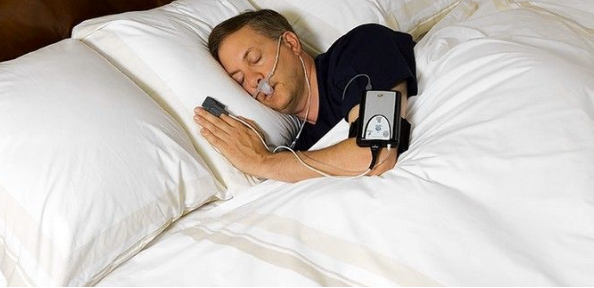
Quality sleep is essential for maintaining emotional balance, mental clarity, physical health, and overall well-being. However, achieving consistent, restful sleep is not always easy. Sleep difficulties can develop gradually or appear suddenly, affecting daily routines, personal relationships, concentration, and productivity. For individuals experiencing persistent sleep problems, consulting a Sleep Disorders doctor in Yates, New York, can be an important step toward understanding their symptoms and exploring appropriate treatment options.
Sleep disorders involve more than occasional sleepless nights. They can include difficulty falling asleep, frequent nighttime awakenings, excessive daytime sleepiness, irregular sleep schedules, and disruptions in normal sleep patterns. When these concerns persist, they may affect emotional regulation and make existing mental health challenges more difficult to manage.
Understanding the relationship between sleep and mental wellness can help individuals recognize when professional support may be beneficial. Access to a psychiatrist in Yates, New York, psychological services, and comprehensive behavioral health care can provide opportunities to address concerns that interfere with healthy sleep.
Understanding Common Sleep Disorders
Sleep Disorders are conditions that interfere with the ability to fall asleep, stay asleep, or experience restorative rest. Although occasional sleep disruptions are common, persistent symptoms may indicate an underlying concern that requires professional attention.
Different sleep disorders can produce different symptoms. Insomnia, for example, involves difficulty falling asleep or staying asleep. Sleep apnea can interrupt normal breathing during sleep, while circadian rhythm disorders affect the body’s natural sleep-wake schedule.
Common signs of sleep disturbances include:
- Difficulty falling asleep despite feeling tired.
- Waking up repeatedly throughout the night.
- Experiencing unusually early morning awakenings.
- Feeling exhausted after what should be sufficient sleep.
- Having difficulty concentrating during daytime activities.
- Experiencing irritability, restlessness, or emotional changes.
- Relying heavily on irregular sleep schedules.
- Feeling sleepy during activities that require attention.
Recognizing these symptoms can help individuals determine whether their sleep difficulties require additional evaluation. A qualified healthcare professional can assess possible contributing factors and recommend appropriate next steps.
The Connection Between Sleep and Mental Health
Sleep and mental health influence each other in significant ways. Emotional stress can interfere with normal sleep patterns, while insufficient sleep can make emotional challenges more difficult to manage.
Anxiety, depression, trauma-related symptoms, and attention difficulties may contribute to sleep disturbances. Similarly, ongoing sleep deprivation can affect concentration, patience, motivation, and emotional stability.
Individuals experiencing anxiety in Yates, New York, may notice that excessive worry makes it difficult to relax before bedtime. Racing thoughts, physical tension, and persistent concerns can interfere with the ability to fall asleep.
Likewise, people experiencing depression may notice changes in their sleep habits. Some struggle with insomnia, while others experience excessive sleepiness or difficulty maintaining a consistent daily routine.
Addressing sleep problems alongside emotional well-being can provide a more comprehensive approach to treatment. Understanding these connections allows healthcare professionals to consider several possible causes instead of focusing exclusively on nighttime symptoms.
How Psychological Care Supports Better Sleep
Sleep difficulties frequently involve behavioral and emotional factors. Psychological care can help individuals understand patterns that contribute to nighttime restlessness and develop healthier responses to stress.
A psychologist in Yates, New York, may help address concerns such as excessive worry, emotional tension, negative thinking patterns, and difficulties maintaining healthy routines.
Cognitive behavioral therapy for insomnia, commonly called CBT-I, is an established treatment approach that focuses on thoughts and behaviors affecting sleep. It may include strategies for improving sleep habits, changing unhelpful beliefs about sleep, and creating more consistent bedtime routines.
Psychological support may also help individuals manage emotional experiences that interfere with relaxation.
For example, someone experiencing persistent stress may benefit from learning relaxation techniques, improving emotional awareness, and establishing boundaries between daytime responsibilities and nighttime rest.
The Relationship Between PTSD and Sleep Disturbances
Traumatic experiences can significantly affect sleep quality. Individuals experiencing post-traumatic stress symptoms may struggle with nightmares, nighttime anxiety, intrusive memories, and heightened alertness.
These experiences can make bedtime uncomfortable because the mind remains focused on perceived threats or distressing memories.
Access to PTSD treatment in Yates, New York, can help address symptoms that contribute to sleep disruption. Treatment may involve evidence-based psychotherapy, coping strategies, and other individualized interventions.
Trauma-informed care recognizes that sleep disturbances may be connected to emotional experiences rather than simply poor bedtime habits.
Improving emotional safety and developing appropriate coping techniques can help individuals gradually establish healthier nighttime routines. Treatment should be personalized according to symptom severity, individual circumstances, and professional recommendations.
ADHD and Its Impact on Healthy Sleep Patterns
Attention-related difficulties can influence sleep schedules and nighttime habits. Individuals experiencing ADHD in Yates, New York, may have trouble maintaining consistent routines, transitioning from stimulating activities to bedtime, or managing racing thoughts.
Some individuals experience delayed sleep schedules, restlessness, or difficulty settling down at night. These challenges may contribute to daytime fatigue and additional concentration difficulties.
Helpful strategies may include:
- Establishing consistent sleeping and waking times.
- Reducing stimulating activities before bedtime.
- Maintaining an organized nighttime routine.
- Limiting unnecessary screen exposure before sleeping.
- Creating a comfortable and quiet sleeping environment.
- Discussing persistent sleep concerns with a qualified professional.
Addressing ADHD and sleep problems together may improve daily functioning. Treatment planning should consider how attention-related symptoms, medications, routines, and emotional health interact.
Substance Use Disorder and Sleep Recovery
Substance-related concerns can also interfere with normal sleep patterns. Alcohol, nicotine, stimulants, and other substances may affect sleep quality, nighttime awakenings, and the body’s natural sleep cycle.
Individuals experiencing substance use disorder in Yates, New York, may encounter sleep difficulties during active substance use or recovery. Withdrawal symptoms, cravings, anxiety, and changes in daily routines can make restorative sleep challenging.
Recovery-focused care can help address these overlapping concerns through appropriate clinical support and behavioral interventions.
Sleep management may involve establishing predictable routines, identifying triggers, improving coping strategies, and addressing underlying emotional difficulties. Medication decisions should always involve qualified healthcare professionals.
Brain Health USA: Supporting Sleep and Mental Wellness
Brain Health USA recognizes the importance of comprehensive mental health support in promoting emotional stability and healthier daily functioning. Sleep concerns can overlap with anxiety, depression, trauma-related symptoms, attention difficulties, and substance-related challenges.
Access to appropriate psychiatric and psychological services can help individuals explore these interconnected concerns through personalized care.
A psychiatrist in Yates, New York, may evaluate mental health symptoms, discuss possible treatment approaches, and determine whether medication management or additional therapeutic support may be appropriate.
Brain Health USA emphasizes the importance of understanding the individual factors contributing to mental wellness challenges. Rather than viewing sleep difficulties as isolated problems, a broader perspective considers emotional health, behavioral patterns, lifestyle habits, and related conditions.
Frequently Asked Questions
1. When should I consult a sleep disorders doctor in Yates, New York?
Consider professional evaluation when sleep difficulties persist, daytime fatigue becomes disruptive, or nighttime symptoms interfere with emotional and physical well-being. Persistent snoring, breathing interruptions, and recurring nightmares also deserve attention.
2. Can anxiety contribute to sleep disorders?
Yes. Anxiety can cause racing thoughts, excessive worry, and physical tension that interfere with falling asleep and staying asleep. Addressing anxiety through appropriate professional support may help improve sleep quality.
3. Can PTSD treatment help improve sleep patterns?
PTSD treatment may help address nightmares, intrusive memories, hypervigilance, and emotional distress that interfere with sleep. Treatment approaches depend on individual symptoms and clinical recommendations.
4. How are ADHD and sleep difficulties connected?
ADHD may contribute to inconsistent bedtime routines, restlessness, delayed sleep schedules, and difficulty transitioning to sleep. Addressing attention-related symptoms and developing structured routines may support healthier sleep habits.
5. Can Brain Health USA help individuals experiencing sleep-related mental health concerns?
Brain Health USA provides a mental health resource for individuals exploring psychiatric and psychological support. Appropriate professional care can help address overlapping concerns involving sleep, anxiety, trauma, attention, and emotional well-being.
Strict reminder from Brain Health USA to seek a doctor’s advice in addition to using this app and before making any medical decisions.
Read our previous blog post here: https://brainhealthusa.com/bipolar-disorder-doctor-in-vernon/