
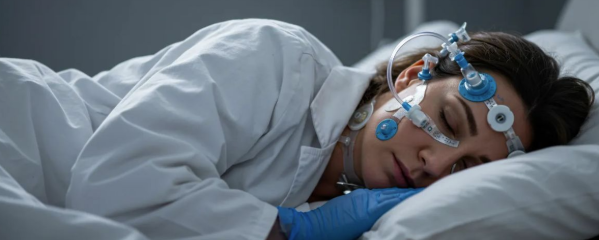
Quality sleep is essential for physical health, emotional balance, concentration, and overall well-being. When sleep becomes inconsistent or difficult to maintain, everyday responsibilities can feel more challenging. Sleep Disorders may affect energy levels, memory, mood, productivity, and relationships. For individuals experiencing persistent sleep difficulties, finding a sleep disorders doctor in Kings, New York, can be an important step toward understanding symptoms and exploring appropriate care.
Sleep problems can take different forms. Some individuals struggle to fall asleep, while others wake repeatedly throughout the night or feel exhausted despite spending enough time in bed. Certain conditions may also involve unusual breathing patterns, excessive daytime sleepiness, or disruptions to the body’s natural sleep schedule.
These concerns can develop alongside anxiety, depression, traumatic experiences, or other mental health challenges. Recognizing the relationship between sleep and emotional wellness helps individuals make informed decisions about their care. A comprehensive approach considers sleep habits, psychological symptoms, physical health, daily routines, and environmental factors rather than focusing on a single symptom.
Psychiatrist in Kings: Exploring Personalized Mental Health Care
A psychiatrist in Kings can evaluate mental health symptoms that may overlap with sleep disturbances. During an assessment, the clinician may ask about sleep duration, nighttime routines, emotional changes, medical history, substance use, and current medications.
The purpose is to develop a clearer understanding of the individual’s circumstances and identify appropriate care options. Depending on the findings, recommendations may include psychotherapy, medication management, behavioral strategies, further medical evaluation, or collaboration with a sleep specialist.
Treatment should reflect individual needs rather than follow a universal formula. Some people benefit from cognitive behavioral therapy for insomnia, while others need assessment for breathing-related sleep disorders or psychiatric conditions.
Anxiety Disorders in Kings and Their Relationship With Sleep
Anxiety can create a cycle in which worry interferes with sleep, and insufficient sleep makes worry more difficult to manage. Someone may become concerned about tomorrow’s responsibilities, monitor the clock repeatedly, or feel frustrated about being unable to fall asleep.
Over time, the bedroom itself may become associated with tension rather than relaxation. This pattern can affect work, school, relationships, and general quality of life.
Support for anxiety disorders in Kings may include psychotherapy, stress-management techniques, and medication when clinically appropriate. Cognitive behavioral approaches can help individuals identify unhelpful thought patterns and develop healthier responses to uncertainty.
Helpful habits may include maintaining a consistent wake-up time, reducing stimulating activities before bed, practicing relaxation exercises, and creating a comfortable sleeping environment. These strategies can complement professional care, although they may not resolve an underlying sleep disorder by themselves.
Post-Traumatic Stress Disorder in Kings: Addressing Trauma-Related Sleep Problems
Trauma can affect the nervous system’s response to perceived danger. Even when a person is physically safe, memories, nightmares, or heightened alertness may make it difficult to relax. Sleep interruptions can then contribute to exhaustion, irritability, and reduced emotional resilience.
Care for post-traumatic stress disorder in Kings may involve trauma-focused psychotherapy, coping strategies, and other interventions selected according to the individual’s symptoms and preferences. Treatment can help people understand their reactions, manage distressing memories, and gradually develop a stronger sense of safety.
A supportive care environment should respect personal boundaries and avoid pressuring individuals to discuss difficult experiences before they feel ready. Progress may occur gradually, and treatment plans should adapt to changing needs.
Suboxone Treatment in Kings and the Importance of Healthy Sleep
Sleep difficulties may also occur during substance use recovery. Changes in sleep patterns can accompany withdrawal, stress, medication adjustments, or coexisting mental health conditions. These challenges may affect comfort, daily functioning, and confidence during recovery.
Suboxone treatment in Kings may be relevant for individuals receiving medication-based care for opioid use disorder. Suboxone contains buprenorphine and naloxone and is used as part of an individualized treatment plan that may include counseling and ongoing clinical monitoring.
People receiving this treatment should discuss insomnia, daytime fatigue, unusual sleepiness, or breathing concerns with their prescribing clinician. Combining certain medications or substances can increase sedation and breathing risks, so patients should disclose all medications and substance use honestly.
Medication decisions should remain under qualified clinical supervision. Individuals should not change prescribed doses or discontinue treatment independently because of sleep concerns.
Telehealth in Kings: Accessing Convenient Mental Health Support
Telehealth in Kings can provide another way to access qualified mental health professionals when in-person appointments are difficult to arrange. Depending on the provider’s services and the individual’s needs, virtual appointments may support psychiatric assessments, follow-up consultations, medication reviews, and certain forms of psychotherapy.
Remote care may be particularly helpful for people balancing work, family responsibilities, transportation challenges, or mobility limitations. It can also allow individuals to attend appointments from a familiar environment.
However, telehealth is not appropriate for every concern. Some sleep disorders require physical examinations, specialized testing, or overnight sleep studies. Severe breathing problems, dangerous levels of daytime sleepiness, and urgent psychiatric symptoms may require in-person or emergency evaluation.
Adult Psychiatry in Kings: Supporting Long-Term Sleep and Emotional Wellness
Adults experience changing sleep needs and responsibilities throughout life. Work schedules, caregiving demands, chronic stress, medical conditions, and medication effects can all influence sleep quality.
Adult psychiatry in Kings can help individuals understand the relationship between emotional symptoms, behavioral patterns, and sleep difficulties. An assessment may consider anxiety, depression, trauma-related symptoms, substance use, and other factors that contribute to disrupted rest.
Treatment may involve psychotherapy, medication management, behavioral interventions, or referrals for additional evaluation. Regular follow-up appointments allow clinicians and patients to review progress, discuss side effects, and adjust the care plan when appropriate.
Brain Health USA: A Holistic Perspective on Mental Wellness
Brain Health USA provides a dedicated section for understanding the importance of mental health support and its relationship to everyday functioning. Sleep, emotional regulation, concentration, and stress management are interconnected aspects of overall wellness.
When sleep problems persist, individuals may benefit from exploring the different factors affecting their health instead of relying exclusively on self-directed solutions. Psychiatric evaluation, psychotherapy, medication management, and sleep-focused interventions may each have a role, depending on the circumstances.
Seeking help is a practical step toward understanding symptoms, identifying available options, and developing a plan that reflects individual goals.
Frequently Asked Questions
1. When should I consult a sleep disorders doctor in Kings, New York?
Consider scheduling an appointment when difficulty falling asleep, frequent awakenings, excessive daytime fatigue, or other sleep concerns persist and interfere with daily life. Breathing interruptions during sleep or severe daytime sleepiness warrant prompt medical evaluation.
2. Can a psychiatrist in Kings help with insomnia?
Yes. A psychiatrist can evaluate mental health conditions, medication effects, and emotional factors that may contribute to insomnia. Depending on the findings, treatment may involve psychotherapy, medication management, behavioral strategies, or referral to a sleep specialist.
3. How are anxiety disorders in Kings connected to sleep problems?
Anxiety can cause racing thoughts, physical tension, and worry that interfere with falling or staying asleep. Poor sleep can also increase stress sensitivity. Professional treatment may address both anxiety symptoms and behaviors that contribute to disrupted rest.
4. Is telehealth in Kings suitable for sleep-related concerns?
Telehealth can support psychiatric consultations, therapy, and follow-up appointments. However, certain conditions require physical examinations or specialized sleep testing. A qualified provider can determine whether virtual care is appropriate for an individual’s symptoms.
5. Can post-traumatic stress disorder in Kings affect sleep quality?
Yes. Trauma-related symptoms may include nightmares, intrusive memories, and heightened alertness that interrupt sleep. Trauma-informed professional care can help individuals manage these symptoms and explore appropriate treatment options.
Strict reminder from Brain Health USA to seek a doctor’s advice in addition to using this app and before making any medical decisions.
Read our previous blog post here: https://brainhealthusa.com/child-adolescent-psychiatry-in-schenectady-new-york/