
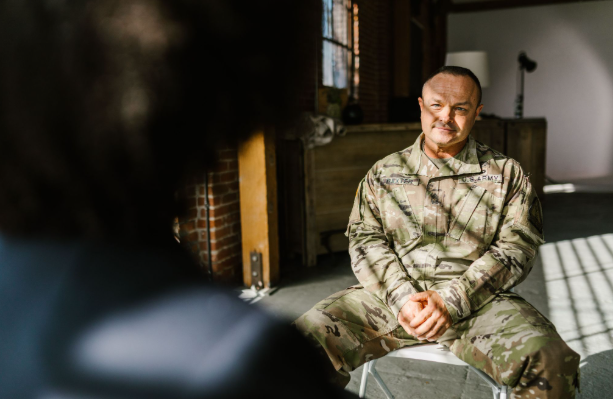
Traumatic experiences can influence how people think, feel, respond to stress, and connect with others. Even after a difficult event has passed, reminders may continue to affect daily routines, relationships, sleep, and emotional well-being.
Post-traumatic stress disorder (PTSD) can develop after experiencing or witnessing a traumatic event. Symptoms may include unwanted memories, distressing dreams, avoidance of reminders, heightened alertness, emotional numbness, and difficulty feeling safe. Everyone responds differently, and symptoms may change over time.
Seeking a PTSD doctor in Avalon can help individuals understand these experiences and explore appropriate treatment options. Brain Health USA recognizes the importance of compassionate, individualized support that respects each person’s circumstances and recovery goals.
Recognizing When Professional Support May Help
Trauma-related symptoms can appear shortly after a traumatic event or become noticeable later. They may interfere with work, family responsibilities, social activities, and personal relationships.
Signs that professional support may be beneficial include:
- Repeated memories, nightmares, or unwanted thoughts about a traumatic experience.
- Avoiding people, places, or activities associated with the event.
- Feeling constantly watchful, irritable, startled, or unable to relax.
- Experiencing guilt, emotional detachment, or persistent feelings of danger.
- Having difficulty concentrating, sleeping, or maintaining relationships.
These experiences do not automatically indicate PTSD. Other mental health conditions can produce similar symptoms, making professional evaluation important.
A depression doctor in Avalon may assess persistent sadness, hopelessness, or loss of interest when these concerns occur alongside trauma-related symptoms. Understanding overlapping symptoms can help clinicians develop an appropriate treatment plan.
Recognizing the need for assistance is not a weakness. It is an opportunity to understand personal reactions and find practical ways forward.
What to Expect During a Psychiatric Evaluation
A psychiatric evaluation explores an individual’s history, current challenges, personal strengths, and treatment goals. When consulting a PTSD doctor in Avalon, individuals may discuss when symptoms began, how frequently they occur, and which situations make them more noticeable.
Clinicians may also ask about sleep, concentration, mood changes, medications, previous treatment, and the effects of symptoms on everyday responsibilities. Individuals do not need to describe every detail of a traumatic experience during their first appointment. Information can be shared at a manageable pace.
An assessment may cover:
- Current symptoms and their impact on daily activities.
- Previous mental health concerns and treatment experiences.
- Personal support systems and coping strategies.
- Other conditions that could influence symptoms or treatment decisions.
A psychiatrist in Avalon can use this information to recommend appropriate care. For example, an ADHD doctor in Avalon may be relevant when longstanding attention difficulties require assessment alongside trauma-related symptoms.
Brain Health USA emphasizes the importance of understanding each person’s circumstances rather than making assumptions about how trauma should affect everyone.
Exploring Treatment Options at a Comfortable Pace
Treatment for trauma-related symptoms varies according to symptoms, personal preferences, co-occurring conditions, and previous treatment experiences. There is no single approach that works identically for everyone.
Psychotherapy is an important option for many people experiencing trauma-related distress. Evidence-based approaches can help individuals process traumatic memories, recognize unhelpful thought patterns, and gradually reduce avoidance. Trauma-focused cognitive behavioral therapy and eye movement desensitization and reprocessing (EMDR) are examples that qualified professionals may consider.
Talk therapy in Avalon may provide an opportunity to discuss emotional challenges, develop coping strategies, and work toward personal goals with a qualified professional. The approach should reflect individual needs and readiness.
Medication may also be considered when symptoms such as persistent anxiety, depression, or sleep difficulties require additional support. A clinician can explain potential benefits, side effects, and follow-up requirements.
Some individuals benefit from combining treatments, while others begin with one approach and adjust their plan over time. With appropriate guidance, people can develop healthier responses to distress and gradually regain confidence in everyday activities.
Rebuilding Stability Through Everyday Routines
Trauma can disrupt familiar routines. Sleep may become inconsistent, social situations may feel overwhelming, and ordinary environments may trigger unexpected distress. Reestablishing predictability can support the recovery process.
Helpful habits include:
- Maintaining consistent sleeping and waking times.
- Practicing grounding techniques by noticing nearby sounds, textures, or objects.
- Breaking demanding responsibilities into smaller tasks.
- Setting reasonable boundaries around stressful situations.
- Staying connected with trusted people who respect personal limits.
These strategies complement professional care but do not replace treatment.
Persistent nightmares, frequent awakenings, or difficulty returning to sleep deserve attention. A sleep disorders doctor in Avalon may help assess ongoing sleep problems, particularly when they occur alongside other mental health symptoms.
Addressing sleep concerns can support daytime concentration, emotional regulation, and participation in daily activities. Brain Health USA encourages individuals to recognize small improvements, including returning to valued activities or feeling more comfortable in familiar settings.
Making Mental Health Care More Accessible
Seeking help can feel difficult when symptoms make travel, unfamiliar environments, or face-to-face conversations challenging. Scheduling demands may also interfere with consistent appointments.
Depending on provider availability and clinical suitability, remote consultations may offer another way to access mental health services. Individuals can prepare by finding a private space, checking their internet connection, and writing down questions about their symptoms.
Remote care is not suitable for every situation. Some evaluations and treatments require in-person appointments, and clinicians can help determine the most appropriate format.
Clear communication, respectful interactions, and opportunities to ask questions also make care more accessible. With guidance from Brain Health USA, individuals can explore available support options and consider how appointments may fit into their routines.
Strengthening Relationships and Understanding Other Symptoms
Trauma-related symptoms can affect relationships even when individuals deeply value the people around them. Someone may withdraw from social activities, become uncomfortable in crowded settings, or react strongly to unexpected reminders.
Open communication can help, but nobody should feel pressured to disclose traumatic experiences before feeling ready. Explaining present needs, such as preferring quieter environments or needing time to recover after stressful situations, may be a helpful starting point.
Trusted friends and family members can provide support by listening without demanding explanations and respecting personal boundaries.
Some individuals also experience significant mood changes that require further assessment. A bipolar disorder doctor in Avalon may help evaluate unusual shifts in mood, energy, or emotional functioning when a possible co-occurring condition is suspected. A careful evaluation can help distinguish trauma-related reactions from other mental health concerns.
Treatment can also help individuals recognize triggers, communicate more effectively, and rebuild relationships at a comfortable pace. Recovery does not require eliminating every difficult feeling; it involves developing healthier ways to respond to distress.
Choosing a Provider Who Respects Your Goals
Finding an appropriate professional involves more than confirming that psychiatric services are available. Individuals should feel comfortable asking questions, discussing concerns, and participating in treatment decisions.
When considering a PTSD doctor in Avalon, look for a clinician who explains the evaluation process, respects personal boundaries, discusses treatment alternatives, and provides opportunities to review progress.
Before an appointment, consider asking:
- Which treatments may be appropriate for my symptoms?
- How will we determine whether treatment is helping?
- What should I do if my symptoms become more difficult?
- Could other emotional or sleep-related concerns contribute to my difficulties?
A psychiatrist in Avalon can also discuss medication management, therapy referrals, and coordinated services when appropriate.
Brain Health USA encourages individuals to approach the search for care with patience. A productive therapeutic relationship should allow room for questions, changing needs, and personal preferences.
Moving Forward With Compassion and Consistent Support
Living with trauma-related symptoms can make ordinary activities feel demanding, but these difficulties do not define a person’s identity or future possibilities. Recovery may involve responding differently to reminders, improving sleep, strengthening relationships, and developing greater confidence in everyday decisions.
For those considering a PTSD doctor in Avalon, the first step can be a conversation about current concerns and desired changes. There is no need to have every answer before seeking professional assistance.
Through compassionate evaluation, individualized treatment planning, and appropriate follow-up, Brain Health USA supports an approach that respects each person’s experiences and recovery goals. With suitable guidance, individuals can work toward greater stability, stronger relationships, and a more manageable daily life.
Strict reminder from Brain Health USA to seek a doctor’s advice in addition to using this app and before making any medical decisions.
Read our previous blog post here:Strict reminder from Brain Health USA to seek a doctor’s advice in addition to using this app and before making any medical decisions.
Read our previous blog post here: https://brainhealthusa.com/anxiety-disorders-doctor-in-artesia/