
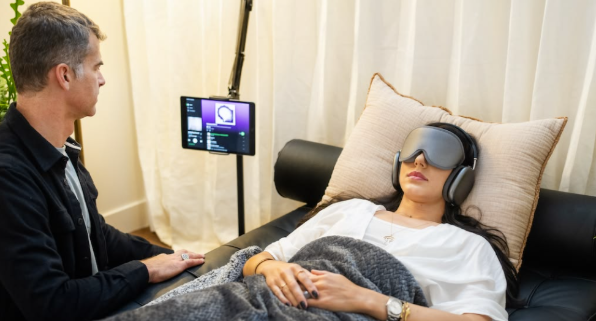
Sleep disorders involve persistent difficulties with sleep quality, timing, duration, or consistency. These problems may develop gradually or appear during periods of significant change. Occasional sleeplessness is common, but ongoing disturbances deserve attention when they affect everyday functioning.
Insomnia is among the most recognized sleep concerns. It can involve difficulty falling asleep, waking too early, or remaining awake for extended periods during the night. Other sleep-related problems may include inconsistent sleep schedules, excessive daytime sleepiness, and disrupted rest associated with stress or emotional difficulties.
Common signs that may indicate a need for professional support include:
- Difficulty falling asleep despite feeling tired.
- Frequent nighttime awakenings or waking earlier than intended.
- Persistent daytime fatigue and reduced concentration.
- Irritability, emotional sensitivity, or increased anxiety.
- Difficulty maintaining a consistent sleep schedule.
- Trouble managing everyday responsibilities because of poor rest.
These symptoms can have several possible causes. A comprehensive evaluation can help clarify contributing factors and determine whether mental health support, medical assessment, behavioral changes, or a combination of approaches may be appropriate.
The Connection Between Sleep and Mental Health
Sleep and mental health influence one another. Poor sleep can make it harder to manage stress, regulate emotions, and maintain concentration. At the same time, emotional distress can make falling asleep or staying asleep more difficult.
Depression in Tioga
Depression may affect sleep in several ways. Some individuals experience insomnia, while others sleep longer than usual but continue to feel tired. Changes in energy, motivation, appetite, and concentration may occur alongside these sleep disturbances.
People experiencing depression in Tioga may benefit from discussing both their emotional symptoms and sleep patterns during a professional assessment. Addressing only one concern may leave important contributing factors unexplored.
A coordinated care plan may include psychotherapy, behavioral strategies, medication evaluation when appropriate, and regular follow-up appointments. Treatment recommendations depend on individual symptoms, preferences, and clinical needs.
Post-Traumatic Stress Disorder in Tioga
Traumatic experiences can influence the nervous system’s response to perceived danger. Individuals with post-traumatic stress disorder in Tioga may experience nightmares, intrusive memories, heightened alertness, or difficulty feeling safe enough to sleep.
These symptoms can make nighttime especially challenging. Fear of nightmares or sudden awakenings may also contribute to anxiety about going to bed.
Trauma-informed care emphasizes safety, collaboration, and respect for personal boundaries. A qualified professional can help determine whether trauma-focused treatment or other therapeutic approaches may support recovery and improve sleep.
Psychiatrist in Tioga: Evaluating Sleep and Emotional Concerns
A psychiatrist in Tioga can assess mental health symptoms that may contribute to persistent sleep difficulties. This assessment may explore emotional well-being, daily routines, medical history, current medications, and the duration of sleep-related symptoms.
Psychiatric care may be useful when insomnia occurs alongside depression, anxiety, trauma-related symptoms, or other mental health concerns. The purpose of an evaluation is to understand the broader situation rather than assume that every sleep problem has the same cause.
Depending on the findings, recommendations may include psychotherapy, medication management, sleep-focused behavioral interventions, or coordination with other healthcare professionals. Some individuals may also require assessment for conditions such as sleep apnea or other disorders that fall outside routine psychiatric care.
Open communication helps ensure that treatment remains relevant as symptoms and personal circumstances change.
Telehealth Treatment in Tioga
Accessing professional support can be challenging when travel, transportation, work schedules, or family commitments create obstacles. Telehealth treatment in Tioga offers a way for eligible individuals to connect with qualified healthcare professionals through secure remote appointments.
Depending on the provider and available services, telehealth may support psychiatric consultations, medication follow-up appointments, psychotherapy, and discussions about sleep-related concerns.
Remote appointments can make it easier to maintain continuity of care and discuss symptoms from a familiar environment. They may also help individuals who feel uncomfortable beginning treatment through an in-person visit.
However, telehealth is not suitable for every situation. Certain medical sleep conditions require physical examinations, sleep studies, or other in-person assessments. Emergency symptoms also require immediate assistance rather than a routine virtual appointment.
Before scheduling, individuals should confirm provider availability, service eligibility, privacy arrangements, and whether remote care is appropriate for their needs.
Adult Psychiatry in Tioga and Sleep Management
Sleep difficulties can develop at any stage of adulthood. Changes in employment, caregiving responsibilities, relationships, health, and daily routines may affect the ability to maintain restorative sleep.
Adult psychiatry in Tioga can help address mental health concerns that interfere with sleep and everyday functioning. During an assessment, a professional may ask about sleep duration, nighttime habits, emotional symptoms, caffeine consumption, medication use, and recent life changes.
Treatment planning may involve identifying patterns that contribute to poor rest and developing achievable goals. For example, an individual may benefit from a more consistent wake-up time, reduced evening stimulation, or structured treatment for an underlying emotional concern.
Psychotherapy in Tioga for Better Sleep and Emotional Balance
Psychotherapy in Tioga may help individuals understand the thoughts, emotions, and behaviors associated with sleep disturbances. Persistent worry about sleep can create a cycle in which anxiety increases alertness, making rest more difficult and reinforcing further worry.
Cognitive behavioral therapy for insomnia, commonly called CBT-I, is an evidence-based treatment specifically designed to address chronic insomnia. It may involve adjusting sleep-related behaviors, examining unhelpful beliefs about rest, and strengthening associations between the bed and sleep.
Other psychotherapy approaches may help when sleep problems occur alongside depression, trauma-related symptoms, or ongoing stress.
Brain Health USA: Supporting Mental Wellness and Sleep Health
Brain Health USA provides a dedicated focus for individuals exploring mental health services and support options. When sleep difficulties overlap with emotional challenges, understanding the relationship between psychological well-being and restorative rest can help individuals make informed decisions about seeking care.
People researching a sleep disorders doctor in Tioga, New York, may also want to learn about available psychiatric services, psychotherapy options, and remote appointments. Brain Health USA can serve as a starting point for exploring relevant mental health resources and determining which services may align with individual needs.
Effective care begins with recognizing that sleep difficulties are not simply a matter of willpower. Persistent symptoms can have multiple contributing factors, and an appropriate evaluation can help identify possible explanations.
Individuals should verify current service availability, professional credentials, appointment arrangements, and whether their particular sleep concerns require specialized medical assessment. Seeking support early may help prevent ongoing sleep disruption from becoming a greater obstacle to daily functioning.
Frequently Asked Questions
1. When should I consult a sleep disorders doctor in Tioga, New York?
Consider seeking professional guidance when sleep difficulties persist, interfere with daily activities, or occur alongside emotional distress. Severe daytime sleepiness, breathing interruptions during sleep, or recurring nightmares may also warrant assessment.
2. Can depression contribute to sleep problems?
Yes. Depression may cause difficulty falling asleep, frequent awakenings, early waking, or excessive sleeping. A professional evaluation can help determine the appropriate approach to addressing both mood and sleep symptoms.
3. Is telehealth treatment in Tioga suitable for sleep concerns?
Telehealth may be appropriate for psychiatric consultations, psychotherapy, and follow-up appointments. Some sleep conditions require physical examinations or specialized testing, so suitability depends on the symptoms and the provider’s recommendations.
4. How can psychotherapy help improve sleep?
Psychotherapy can address stress, anxiety, trauma-related symptoms, and unhelpful sleep behaviors. CBT-I is a specialized approach that helps people with chronic insomnia develop healthier sleep patterns and reduce sleep-related distress.
5. What should I prepare for my first appointment?
Prepare a description of your symptoms, how long they have lasted, your usual sleep schedule, current medications, and relevant health concerns. Recording nighttime awakenings and daytime fatigue can also help make the assessment more informative.
Strict reminder from Brain Health USA to seek a doctor’s advice in addition to using this app and before making any medical decisions.
Read our previous blog post here: https://brainhealthusa.com/child-adolescent-psychiatry-in-chenango-new-york/