
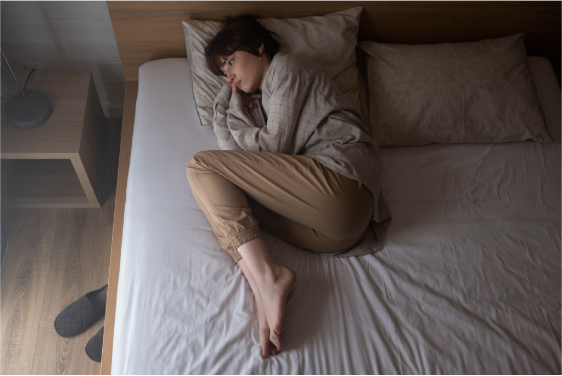
Sleep affects concentration, emotional regulation, energy, and daily responsibilities. Difficulty falling asleep, frequent awakenings, excessive daytime sleepiness, or irregular sleep schedules can interfere with work, relationships, and overall functioning.
A sleep-wake disorders doctor in Suffolk, New York, may evaluate sleep patterns and consider possible causes, including circadian rhythm disruptions, medical conditions, medication effects, and other sleep disorders.
Brain Health USA emphasizes understanding how persistent sleep difficulties affect daily life. A proper assessment can help individuals explore treatment options and develop strategies for more consistent, restorative sleep.
A Closer Look at Sleep-Wake Disorders and Their Effects
Sleep-wake disorders affect sleep timing, quality, duration, or regulation. Common concerns include insomnia, circadian rhythm disruptions, excessive daytime sleepiness, unusual sleep behaviors, and breathing interruptions during sleep.
Persistent sleep problems may cause irritability, reduced concentration, slower decision-making, and difficulty managing daily stress. Irregular work schedules and frequent nighttime awakenings can also make maintaining a consistent sleep routine challenging.
A psychiatrist in Suffolk, New York, may assess whether psychiatric or emotional concerns contribute to sleep difficulties. Brain Health USA emphasizes individualized evaluation, with referrals to qualified healthcare professionals when additional assessment is needed.
Recognizing When Sleep Problems Need Professional Attention
Occasional restless nights are common, particularly during stressful periods or after changes in routine. However, persistent sleep difficulties deserve closer attention when they repeatedly interfere with daytime functioning or make it difficult to maintain a healthy schedule.
Professional assessment may be helpful when someone regularly experiences:
- Difficulty falling asleep despite having enough time and a suitable environment for rest.
- Frequent awakenings that leave them feeling unrefreshed in the morning.
- Excessive daytime sleepiness that interferes with work, driving, or ordinary activities.
- A sleep schedule that remains significantly out of sync with school, work, or family responsibilities.
- Unusual movements, behaviors, or breathing problems during sleep.
- Mood changes or concentration difficulties that appear alongside ongoing sleep disruption.
Tracking sleep patterns, routines, and symptoms can help clinicians identify possible causes of sleep difficulties. Reviewing factors such as work schedules, medications, caffeine, and emotional well-being can guide further assessment and treatment.
What to Expect During a Sleep-Related Psychiatric Evaluation
A sleep-related psychiatric evaluation examines how sleep difficulties affect mood, concentration, and daily functioning. A psychiatrist in Suffolk, New York, may review medical history, medications, substance use, and previous sleep concerns. Keeping a sleep diary can help identify patterns in bedtime, awakenings, and daytime fatigue. Depending on the symptoms, further assessment or specialized sleep testing may be recommended. Brain Health USA supports individualized care that helps patients understand their concerns and explore appropriate treatment options.
How Mental Health and Sleep Influence Each Other
Sleep and mental health are closely connected. Anxiety can make it difficult to fall asleep, while poor sleep may increase irritability and worsen depression or emotional stress. Irregular sleep can also disrupt daily routines and make symptoms harder to manage.
Adult psychiatry in Suffolk, New York, can help assess sleep difficulties alongside depression, anxiety, mood changes, and medication effects. Brain Health USA emphasizes considering these connections to support more appropriate, individualized care.
Adult Psychiatry: Addressing Sleep and Daily Functioning
Life transitions, work demands, caregiving, and changes in physical health can disrupt sleep routines. Adult psychiatry in Suffolk, New York, can help assess whether sleep problems are linked to mood changes, anxiety, or other concerns. Treatment may involve medication review, psychotherapy, routine adjustments, or referral to a sleep specialist. Brain Health USA encourages adults to discuss both nighttime difficulties and daytime symptoms to help guide appropriate care.
When Sleep Changes Affect Mood
Sleep changes can be important when evaluating bipolar disorder. Some individuals experience depressive episodes and periods of elevated or irritable mood. During manic or hypomanic episodes, they may need significantly less sleep while feeling unusually energetic.
A bipolar disorder doctor in Suffolk, New York, may assess mood patterns, sleep changes, energy levels, and other symptoms to clarify possible causes. Treatment may include medication management, psychotherapy, mood monitoring, and consistent daily routines.
Brain Health USA emphasizes considering sleep concerns alongside an individual’s broader symptoms and medical history. Those experiencing significant sleep or mood changes should consult their clinician and avoid adjusting prescribed medication independently.
Understanding Repetitive Thoughts at Bedtime
OCD can make bedtime difficult when intrusive thoughts, repeated checking, or mental rituals delay sleep. These behaviors may increase distress and make nighttime routines more time-consuming.
An OCD doctor in Suffolk, New York, can assess symptoms and recommend treatment, such as cognitive behavioral therapy with exposure and response prevention (ERP), medication when appropriate, or both. Brain Health USA emphasizes individualized care that addresses compulsive patterns and their impact on sleep and daily functioning.
Behavioral Strategies for Better Sleep
Psychological support can help individuals identify thoughts and habits that interfere with sleep. A psychologist in Suffolk, New York, may provide psychotherapy or behavioral interventions, including cognitive behavioral therapy for insomnia (CBT-I).
CBT-I addresses sleep-related worries and unhelpful habits through improved routines, relaxation strategies, and realistic sleep expectations. Brain Health USA recognizes the value of individualized behavioral support for managing sleep difficulties and improving daily functioning.
Telehealth and Ongoing Support for Sleep Concerns
Telehealth in Suffolk, New York, offers a convenient option for eligible consultations and follow-up appointments when remote care is clinically appropriate. Patients can discuss sleep patterns, review treatment progress, and address medication or behavioral concerns without traveling to an office.
Before a virtual appointment, patients can prepare a private space, check their internet connection, and record recent sleep patterns, medication changes, and daily habits. These details can help guide discussions with their clinician.
Brain Health USA recognizes that telehealth may not replace every assessment. Physical examinations, sleep testing, or in-person evaluations may still be necessary depending on the individual’s symptoms and care needs.
Everyday Habits That Can Support a Healthier Sleep Schedule
Professional treatment may be complemented by routines that help reinforce the body’s sleep-wake cycle. Although healthy habits cannot resolve every sleep disorder, consistent patterns can provide useful information and support other interventions.
Consider these practical adjustments:
- Wake up at a consistent time each day, including after a difficult night, when feasible.
- Seek natural daylight during the morning and maintain regular daytime activity.
- Reduce late-day caffeine when it appears to interfere with sleep.
- Create a calming evening routine that allows time to transition away from work and stimulating activities.
- Keep a sleep diary to identify recurring patterns and discuss them with a clinician.
Sleep strategies should fit individual routines and work schedules. Persistent snoring, gasping, or severe daytime sleepiness may require specialized evaluation. A psychiatrist in Suffolk, New York, can assess sleep-related psychiatric concerns and coordinate additional care when needed.
Frequently Asked Questions About Sleep-Wake Disorders in Suffolk, New York
1. What are common signs of a sleep-wake disorder?
Common signs include persistent difficulty falling or staying asleep, an irregular sleep schedule, excessive daytime sleepiness, and sleep disruptions that interfere with daily functioning. Unusual nighttime behaviors or breathing problems may also warrant professional assessment.
2. Can mental health conditions affect sleep?
Yes. Depression, anxiety, OCD, and bipolar disorder can influence sleep patterns in different ways. A clinical assessment can help determine whether a psychiatric condition is contributing to sleep difficulties or occurring alongside a separate sleep disorder.
3. When should I seek professional help for sleep problems?
Consider professional guidance when sleep difficulties persist, affect daytime functioning, or occur alongside significant mood or behavioral changes. Seek prompt medical assessment for severe daytime sleepiness, breathing interruptions during sleep, or a markedly reduced need for sleep accompanied by unusual energy or impulsive behavior.
Moving Toward Better Sleep With Personalized Support
Sleep-wake disorders can affect mood, concentration, energy, and daily functioning. Seeking a sleep-wake disorders doctor in Suffolk, New York, can help individuals understand their symptoms and explore appropriate treatment options.
Brain Health USA emphasizes personalized care that considers each person’s sleep patterns and mental health needs. If sleep difficulties persist or interfere with daily life, consider seeking professional guidance to identify possible causes and develop strategies for healthier, more consistent sleep.
Strict reminder from Brain Health USA to seek a doctor’s advice in addition to using this app and before making any medical decisions.
Read our previous blog post here: https://brainhealthusa.com/depression-doctor-in-otsego-new-york/