
Accessible mental health care helps individuals receive emotional and psychiatric support without unnecessary obstacles. People may recognize that they need help but still delay treatment because of transportation concerns, limited appointment availability, uncertainty about the process, or discomfort discussing personal challenges. A more flexible system can make the first step feel manageable.
True accessibility involves more than having a clinic nearby. It includes clear communication, convenient scheduling, respectful treatment, continuity of care, and service options that fit different needs. Telehealth, in-person appointments, psychiatric evaluations, therapy, and medication follow-ups can work together to create a practical path toward wellness.
For someone searching for a psychiatrist in Los Angeles, finding responsive and personalized support can reduce confusion. Accessible mental health care should help patients understand their symptoms, explore appropriate treatment, and stay connected as their needs change.
What Accessible Mental Health Care Means
Accessible mental health care means that people can obtain suitable services with fewer practical and emotional barriers. The care process should be easy to understand, from scheduling an initial appointment to completing follow-up visits. Patients should know what services are available, how treatment works, and where to turn when questions arise.
Important features may include:
- Flexible appointment times
- Telehealth and in-person visit options
- Clear explanations of diagnoses and treatments
- Ongoing medication management
- Respectful, private communication
- Coordinated support between psychiatric and therapy services
- Follow-up plans based on individual needs
Telehealth as a Flexible Care Option
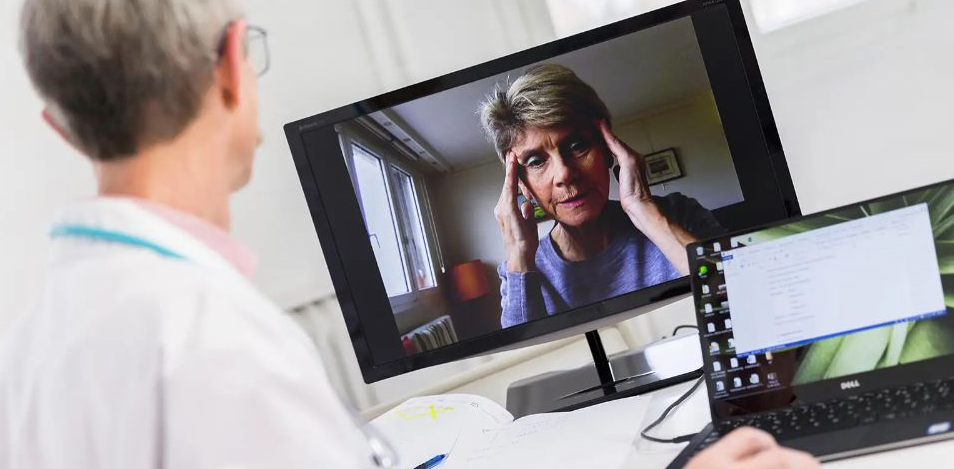
Telehealth has made psychiatric support easier to reach for many individuals. Through a secure remote appointment, a patient may be able to complete an evaluation, discuss symptoms, receive medication follow-up, or participate in therapy from a private location.
This option may be especially useful for people with busy schedules, transportation limitations, mobility concerns, caregiving duties, or difficulty traveling across a large city. For those seeking a psychiatrist in Los Angeles, telehealth may reduce travel time and make consistent attendance easier.
Telehealth is not necessarily a replacement for every office appointment. Instead, it is one part of accessible mental health care. The best approach may involve remote visits, in-person care, or a combination of both.
The Role of a Psychiatrist in Los Angeles
A psychiatrist in Los Angeles can evaluate emotional, behavioral, and psychiatric symptoms while considering medical history, daily functioning, personal concerns, and treatment goals. Psychiatric care may include diagnosis, medication management, education, and coordination with therapists or other providers.
During an initial appointment, the psychiatrist may ask about mood, sleep, concentration, stress, relationships, past treatment, substance use, physical health, and current medications. These questions help identify patterns and rule out concerns that may require additional attention.
Bipolar Disorder and the Need for Consistent Care
Bipolar disorder can involve significant changes in mood, energy, activity, sleep, judgment, and concentration. Some individuals experience periods of unusually elevated or irritable mood, while others experience episodes of depression. Symptoms and episode patterns can differ greatly between individuals.
Accessible mental health care is important for people living with bipolar disorder because regular monitoring may help identify mood changes, medication effects, disrupted sleep, and early warning signs. Inconsistent treatment can make it harder to recognize patterns and maintain stability.
Telehealth may support medication follow-up appointments and routine symptom monitoring for some patients with bipolar disorder. Remote visits can make it easier to discuss recent mood changes and remain connected between office appointments. However, care should always be based on the individual’s current condition, safety, and clinical needs.
A psychiatrist in Los Angeles may consider symptom history, previous episodes, daily routines, support systems, and past responses to treatment. Clear communication can help patients understand their care plans and recognize when additional support is needed.
Brain Health USA and Accessible Mental Health Care
Brain Health USA can be considered by individuals seeking structured psychiatric services, personalized support, and flexible appointment options. Its dedicated role in accessible mental health care may include helping patients connect with evaluations, medication management, follow-up visits, and telehealth services.
People looking for a psychiatrist in Los Angeles may explore Brain Health USA when they need support for mood symptoms, anxiety, depression, attention-related concerns, trauma, or bipolar disorder. The treatment experience should begin with careful listening and a clear explanation of available options.
Brain Health USA may also help patients maintain continuity through scheduled follow-up visits. Mental health needs do not always remain the same, so ongoing communication is valuable. Medication responses, stress levels, sleep patterns, and daily functioning may all change.
The value of Brain Health USA within accessible mental health care comes from creating practical pathways to psychiatric support. Patients should feel informed, respected, and involved rather than confused about what happens next. Combining telehealth with in-person care can provide additional flexibility for people with different schedules and circumstances.
Reducing Barriers That Keep People From Treatment
Many individuals delay treatment because they do not know where to begin. Others worry about stigma, feel uncertain about sharing personal information, or believe their concerns are not serious enough. Accessible mental health care should address these barriers with welcoming communication and clear instructions.
Patients should be able to ask a psychiatrist in Los Angeles why a treatment is recommended, what benefits to expect, and what concerns should be reported. They should also feel comfortable discussing side effects, changing symptoms, or difficulties following the treatment plan.
Building a Sustainable Mental Health Plan
A sustainable treatment plan should fit the patient’s actual life. It may include psychiatric appointments, therapy, telehealth check-ins, medication management, healthy sleep routines, stress reduction, and support from trusted individuals.
Someone managing bipolar disorder may need regular mood monitoring and consistent medication reviews. Another individual may primarily benefit from therapy with occasional psychiatric follow-up. Accessible mental health care allows the treatment plan to change as symptoms and circumstances evolve.
A psychiatrist in Los Angeles can review progress and help adjust treatment when necessary. The goal is not simply to reduce symptoms temporarily. It is to create a realistic structure that supports long-term functioning and emotional wellness.
Frequently Asked Questions
What is accessible mental health care?
Accessible mental health care includes services that are easier to reach, understand, and continue. It may involve flexible scheduling, telehealth, in-person appointments, clear communication, and ongoing follow-up.
How can telehealth improve psychiatric access?
Telehealth can reduce travel, support flexible scheduling, and help patients attend follow-up appointments from a private location. It may be used for evaluations, medication monitoring, and therapy when clinically appropriate.
Can bipolar disorder care include remote appointments?
Yes. Some bipolar disorder follow-up appointments may occur through telehealth. The appropriate visit format depends on symptoms, treatment needs, safety, and the provider’s clinical recommendation.
What happens during an appointment with a psychiatrist in Los Angeles?
A psychiatrist in Los Angeles may discuss symptoms, health history, sleep, mood, medications, stress, and treatment goals. The appointment may lead to education, diagnosis, medication recommendations, therapy coordination, or further evaluation.
Why are follow-up visits important?
Follow-up visits allow patients and providers to review progress, monitor symptoms, discuss medication effects, and make adjustments. They help keep accessible mental health care responsive to changing needs.
Final Thoughts
Accessible mental health care gives people clearer and more flexible ways to receive support. Through telehealth, in-person services, psychiatric evaluation, and continued follow-up, individuals can build a treatment plan that matches their circumstances.
Whether someone is experiencing everyday emotional strain or managing bipolar disorder, reliable access can make care easier to begin and maintain. Finding a psychiatrist in Los Angeles who communicates clearly and provides personalized options can support informed decision-making.
Brain Health USA can be part of the search for psychiatric evaluations, medication support, telehealth, and ongoing care. With practical services and respectful communication, accessible mental health care can help individuals feel more connected, confident, and prepared to work toward lasting wellness.
Strict reminder from Brain Health USA to seek a doctor’s advice in addition to using this app and before making any medical decisions.
Read our previous blog post here: https://brainhealthusa.com/fidelis-telepsychiatry-in-brooklyn-new-york/