
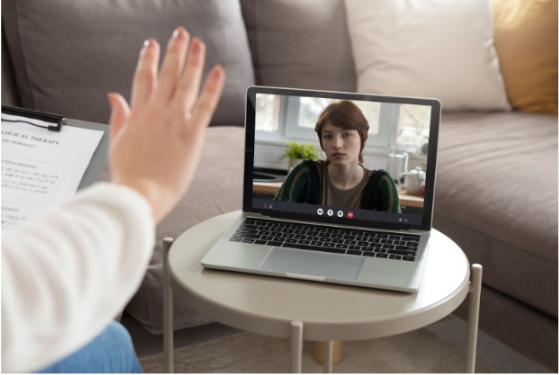
Anxiety disorders are among the most prevalent mental health conditions, affecting individuals across all age groups and backgrounds. With the rapid advancement of digital health technologies, telepsychiatry has emerged as a transformative solution that enhances access to care while minimizing traditional barriers such as distance, scheduling conflicts, and stigma. This article explores how telepsychiatry for anxiety disorders is reshaping mental health care delivery and highlights how organizations such as Brain Health USA, in collaboration with experienced psychiatrists in Los Angeles, support individuals in receiving timely, effective, and compassionate treatment.
Telepsychiatry for Anxiety Disorders: A Clinical Perspective
Telepsychiatry refers to the delivery of psychiatric services through secure digital platforms, typically via video conferencing. This model allows patients to connect with licensed psychiatrists remotely for evaluation, diagnosis, and treatment. For individuals experiencing anxiety disorders, telepsychiatry offers a practical and effective alternative to in-person care.
From a clinical standpoint, telepsychiatry has been shown to produce outcomes comparable to traditional face-to-face interventions, particularly for anxiety-related conditions. Patients benefit from receiving care in familiar environments, which may reduce anxiety levels and increase engagement during sessions. Additionally, this modality is especially advantageous for individuals with mobility limitations, demanding schedules, or limited access to nearby mental health providers.
Why Telepsychiatry Is Effective for Anxiety Disorders
Anxiety disorders are characterized by persistent worry, restlessness, irritability, and difficulty concentrating. Telepsychiatry provides a flexible and supportive framework for addressing these symptoms.
Key benefits include:
- Comfortable environment: Receiving care at home can reduce situational stress and foster openness during sessions.
- Improved accessibility: Patients can connect with psychiatrists in Los Angeles and beyond without the need for travel.
- Consistency of care: Virtual appointments facilitate regular follow-ups, which are essential for managing anxiety symptoms.
- Reduced barriers to entry: Individuals who feel hesitant about clinical settings may find telepsychiatry more approachable.
Brain Health USA incorporates telepsychiatry into its care model to ensure consistent, patient-centered support.
Common Anxiety Disorders Treated Through Telepsychiatry
Telepsychiatry is effective in treating a wide range of anxiety-related conditions. Providers at Brain Health USA commonly assist individuals experiencing:
- Generalized anxiety disorder (GAD): Chronic and excessive worry about everyday situations.
- Panic disorder: Recurrent panic attacks accompanied by physical symptoms such as rapid heartbeat and shortness of breath.
- Social anxiety disorder: Intense fear of social interactions or performance situations.
- Specific phobias: Irrational fear of specific objects or circumstances.
- Obsessive-compulsive behaviors: Repetitive thoughts and behaviors that disrupt daily functioning.
Psychiatrists in Los Angeles often collaborate with therapists to ensure comprehensive and coordinated care for these conditions.
Brain Health USA: Advancing Telepsychiatry Services
Brain Health USA plays a critical role in expanding access to telepsychiatry services by emphasizing a patient-centered and integrated approach to care.
Their services include:
- Comprehensive psychiatric evaluations: Detailed assessments that inform individualized treatment plans.
- Ongoing monitoring and support: Regular follow-ups to evaluate progress and adjust interventions as needed.
- Collaboration with specialists: Coordination with psychologists, therapists, and other providers to ensure holistic care.
- Flexible scheduling options: Appointment availability that accommodates diverse lifestyles.
Through these services, Brain Health USA ensures that telepsychiatry for anxiety disorders remains accessible, effective, and responsive to patient needs.
The Role of Psychiatrists in Los Angeles in Virtual Care
Psychiatrists in Los Angeles contribute significantly to the success of telepsychiatry by bringing clinical expertise and culturally informed perspectives to virtual care settings.
Their responsibilities include:
- Accurate diagnosis: Identifying the specific nature and severity of anxiety disorders.
- Personalized treatment planning: Developing tailored interventions that may include medication management, therapy referrals, or lifestyle recommendations.
- Care coordination: Collaborating with therapists and other healthcare providers to ensure continuity of care.
- Long-term symptom management: Adjusting treatment strategies as patient needs evolve.
Their involvement ensures that telepsychiatry services maintain high standards of clinical quality.
Integrating Talk Therapy with Telepsychiatry
Telepsychiatry is often most effective when combined with evidence-based talk therapies such as cognitive behavioral therapy (CBT). This integrated approach addresses both the psychological and physiological aspects of anxiety disorders.
Benefits of this integration include:
- Enhanced emotional awareness: Helping individuals better understand their thoughts and emotional responses.
- Skill development: Teaching coping strategies to manage anxiety triggers effectively.
- Improved therapeutic communication: Encouraging open dialogue between patients and providers.
- Long-term resilience: Building sustainable tools for managing anxiety over time.
Brain Health USA supports this integrated approach by coordinating care among psychiatrists and therapists.
The Patient Experience in Telepsychiatry
Understanding what to expect from telepsychiatry can help individuals feel more comfortable initiating treatment.
A typical process includes:
- Initial consultation: A comprehensive discussion of symptoms, medical history, and treatment goals.
- Personalized treatment plan: Development of a tailored care strategy based on clinical findings.
- Regular follow-up sessions: Ongoing monitoring of progress and necessary adjustments to treatment.
- Continuous communication: Maintaining contact with providers to ensure support between sessions.
This structured approach promotes engagement and continuity of care.
Advantages of Telepsychiatry for Diverse Lifestyles
Telepsychiatry is adaptable to a wide range of lifestyles, making it an ideal option for many individuals.
Examples include:
- Busy professionals: Flexible scheduling accommodates demanding work commitments.
- Students: Access to care without disrupting academic responsibilities.
- Parents and caregivers: Eliminates the need for childcare arrangements during appointments.
- Individuals in remote areas: Provides access to psychiatrists in Los Angeles regardless of geographic location.
This flexibility underscores the value of telepsychiatry in modern healthcare systems.
Addressing Co-Occurring Conditions
Anxiety disorders frequently coexist with other mental health conditions, which can complicate diagnosis and treatment. Telepsychiatry enables providers to address these complexities in a comprehensive manner.
Common co-occurring conditions include:
- Depression: Persistent feelings of sadness and reduced energy levels.
- Insomnia: Difficulty initiating or maintaining sleep, often associated with anxiety.
- Attention-Deficit/Hyperactivity Disorder (ADHD): Overlapping symptoms such as inattention and restlessness.
Brain Health USA ensures that treatment plans account for these co-occurring conditions to provide holistic care.
Building Trust in a Virtual Setting
A common concern about telepsychiatry is whether it can replicate the therapeutic relationship found in in-person care. Evidence suggests that strong, trusting relationships can be established in virtual environments.
Trust is fostered through:
- Consistent communication: Regular sessions help build familiarity and rapport.
- Secure platforms: Ensuring patient confidentiality and data protection.
- Individualized care: Tailoring treatment to each patient’s needs and preferences.
- Empathy and compassion: Psychiatrists in Los Angeles prioritize understanding and patient-centered care.
Brain Health USA emphasizes these elements to create a supportive and effective virtual experience.
The Impact of Telehealth Technology
Telepsychiatry is part of the broader telehealth movement, which leverages digital technologies to improve healthcare delivery.
Key impacts include:
- Increased access to care: Eliminating geographic and logistical barriers.
- Greater flexibility: Allowing patients to schedule appointments at convenient times.
- Continuity of care: Maintaining treatment during life changes or disruptions.
- Enhanced communication: Facilitating easier interaction between patients and providers.
These advancements contribute to improved mental health outcomes and patient satisfaction.
How to Begin Telepsychiatry Services Effectively
Starting telepsychiatry services may feel overwhelming, but proper preparation can enhance the experience.
Helpful strategies include:
- Selecting a private space: Ensuring confidentiality and minimizing distractions.
- Testing technology: Confirming a stable internet connection and functioning device.
- Preparing questions: Identifying concerns or goals before the session.
- Practicing openness: Sharing experiences honestly to support accurate diagnosis and treatment.
Brain Health USA provides guidance to help individuals feel confident when beginning telepsychiatry services.
Emerging Trends in Telepsychiatry
Telepsychiatry continues to evolve as technology advances and patient expectations shift.
Emerging trends include:
- Hybrid care models: Combining in-person and virtual services for greater flexibility.
- Expanded access to specialists: Connecting patients with psychiatrists in Los Angeles and beyond.
- Digital therapeutic tools: Utilizing apps and online platforms to complement treatment.
- Enhanced patient engagement: Encouraging active participation in care decisions.
These innovations are shaping the future of telepsychiatry for anxiety disorders.
Supporting Long-Term Mental Wellness
Managing anxiety disorders requires ongoing support and adaptive strategies. Telepsychiatry provides a sustainable framework for long-term care.
Key components include:
- Regular check-ins: Maintaining consistent communication with providers.
- Flexible treatment plans: Adjusting interventions as symptoms and needs evolve.
- Skill reinforcement: Practicing coping techniques learned during therapy.
- Holistic support systems: Engaging family, community, and additional resources.
This comprehensive approach supports lasting mental health and resilience.
Conclusion
Telepsychiatry for anxiety disorders represents a significant advancement in mental health care, offering an accessible, flexible, and effective alternative to traditional treatment models. By leveraging digital technology, individuals can receive high-quality psychiatric care without the limitations imposed by geography or scheduling constraints.
Brain Health USA plays a vital role in this transformation by delivering integrated, patient-centered telepsychiatry services. Through collaboration with an experienced psychiatrist in Los Angeles, the organization ensures that individuals receive personalized and effective care tailored to their unique needs.
As telehealth technology continues to evolve, telepsychiatry will remain a cornerstone of modern mental health care, empowering individuals to take control of their well-being in a manner that aligns with their lifestyles and preferences.
Strict reminder from Brain Health USA to seek a doctor’s advice in addition to using this app and before making any medical decisions.
Read our previous blog post here: https://brainhealthusa.com/autism-therapy-services-accepting-insurance/