
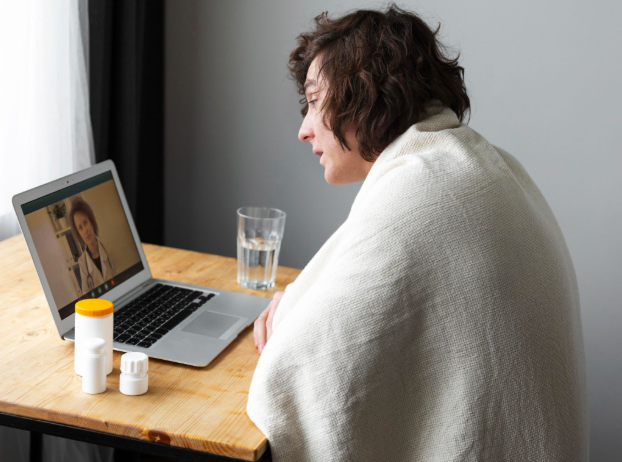
Substance use challenges continue to affect individuals and families in profound ways, but today’s treatment options are evolving to meet people where they are. Substance use disorder treatment via telehealth has emerged as a flexible, effective approach that removes many traditional barriers to care. With organizations like Brain Health USA leading the way, individuals can now access compassionate, professional support without the limitations of in-person visits.
This article explores how telehealth is transforming recovery, what patients can expect, and why this approach is becoming a preferred choice for many seeking long-term wellness.
Understanding Telehealth in Substance Use Recovery
Telehealth refers to the delivery of healthcare services through secure digital platforms such as video calls, phone consultations, and online messaging. In the context of substance use recovery, it allows individuals to receive therapy, psychiatric evaluations, and ongoing support remotely.
Instead of traveling to a facility, patients can connect with licensed providers—including psychiatrists in Los Angeles affiliated with Brain Health USA—from the comfort of their own environment. This shift in care delivery has made it easier for people to seek help earlier and remain engaged in treatment longer.
Key features of telehealth-based treatment include:
- Real-time video consultations with licensed professionals
- Secure and confidential communication platforms
- Flexible scheduling to fit daily routines
- Access to multidisciplinary care teams
- Continuity of care regardless of location
- Integration with digital tools for monitoring progress
Why Telehealth Is Changing the Recovery Landscape
Traditional treatment models often come with obstacles such as transportation issues, scheduling conflicts, or stigma. Telehealth addresses many of these challenges, making care more accessible and personalized.
Benefits of telehealth for substance use treatment include:
- Convenience and accessibility
Individuals can attend sessions from home, reducing missed appointments and increasing consistency. - Enhanced privacy
Receiving care in a familiar setting helps reduce stigma and encourages openness. - Flexible scheduling
Telehealth accommodates work, school, and family responsibilities. - Broader access to specialists
Patients can connect with experienced providers, including psychiatrists in Los Angeles, regardless of their physical location. - Continuity of care
Even during life transitions or travel, treatment remains uninterrupted. - Reduced stress triggers
Avoiding crowded waiting rooms or long commutes can help individuals stay emotionally balanced.
Brain Health USA incorporates these advantages into its care model, ensuring that individuals receive high-quality, patient-centered support tailored to their needs.
The Role of Mental Health in Recovery
Substance use disorders rarely exist in isolation. Many individuals experience co-occurring mental health conditions that influence their behaviors and recovery journey.
Two commonly associated elements include:
- PTSD (Post-Traumatic Stress Disorder)
Trauma can significantly shape substance use patterns. Telehealth provides a safe, controlled environment where individuals can process past experiences with professional guidance. - Talk therapy as a foundation for healing
Talk therapy allows individuals to explore emotional triggers, identify harmful patterns, and build healthier coping mechanisms.
Integrated Care Approach
Through Brain Health USA, telehealth services often combine multiple layers of support:
- Comprehensive psychiatric evaluations
- Medication management when clinically appropriate
- Individual talk therapy sessions
- Behavioral and cognitive strategies
- Emotional and psychological support
This integrated approach ensures that both substance use challenges and conditions like PTSD are addressed together, promoting a more sustainable recovery process.
What to Expect During Telehealth Treatment
For individuals new to virtual care, understanding the process can reduce uncertainty and build confidence.
Initial Assessment
The journey typically begins with a detailed evaluation that includes:
- Medical and psychological history review
- Discussion of substance use patterns
- Identification of emotional and environmental triggers
- Screening for co-occurring conditions
- Establishing personal recovery goals
Personalized Treatment Plan
After the assessment, providers develop a tailored plan that aligns with the individual’s needs and lifestyle:
- Scheduled therapy sessions
- Medication support if necessary
- Coping strategies for daily challenges
- Relapse prevention planning
- Ongoing progress tracking
Ongoing Support and Adjustments
Recovery is dynamic, and treatment plans evolve. Telehealth makes it easier to adapt through:
- Regular virtual check-ins
- Immediate access to professional guidance
- Adjustments to therapy approaches
- Continuous encouragement and accountability
At Brain Health USA, this process is collaborative, ensuring patients feel supported and empowered throughout their journey.
The Human Connection in Virtual Care
A common concern about telehealth is whether it can provide the same level of personal connection as in-person visits. Many individuals discover that virtual care offers a unique sense of comfort and openness.
Why telehealth still feels personal:
- Face-to-face interaction through secure video platforms
- Consistent communication with familiar providers
- Ability to engage from a comfortable environment
- Reduced external distractions during sessions
Being in a familiar setting often helps individuals open up more easily, allowing for deeper and more productive conversations during talk therapy sessions.
Overcoming Barriers to Treatment
One of the most significant advantages of telehealth is its ability to eliminate barriers that often prevent individuals from seeking help.
Common barriers and telehealth solutions include:
- Transportation limitations
No need for travel or commuting arrangements. - Time constraints
Flexible scheduling options fit into busy lifestyles. - Fear of stigma
Private sessions reduce anxiety about being seen seeking care. - Limited access to specialists
Telehealth connects patients with experienced providers, including psychiatrists in Los Angeles, regardless of location. - Physical or mobility challenges
Care is accessible without leaving home.
By addressing these challenges, Brain Health USA helps individuals take meaningful steps toward recovery without unnecessary obstacles.
Building Healthy Routines Through Telehealth
Recovery is not just about stopping harmful behaviors—it is about building a healthier, more balanced life. Telehealth supports this process by encouraging consistency and structure.
How telehealth encourages positive habits:
- Establishing regular therapy schedules
- Creating daily routines that support recovery
- Reinforcing coping strategies in real time
- Encouraging mindfulness and self-awareness
- Providing accountability through consistent check-ins
These habits play a crucial role in maintaining progress and preventing setbacks.
Family and Support Systems in Telehealth
Recovery often involves more than just the individual. Support from family and loved ones can significantly influence long-term success.
How telehealth includes support networks:
- Virtual family therapy sessions
- Education on substance use and recovery dynamics
- Guidance on effective communication
- Support for rebuilding trust and relationships
Brain Health USA recognizes the importance of these connections and integrates them into the treatment process when appropriate.
Technology and Confidentiality
Privacy is a top priority in any healthcare setting, especially when discussing sensitive topics like substance use.
How telehealth protects patient information:
- Encrypted digital communication platforms
- Secure authentication systems
- Confidential medical records management
- Adherence to healthcare privacy standards
Patients can feel confident that their personal information is protected while receiving care through Brain Health USA.
Who Can Benefit from Telehealth Treatment?
Telehealth is designed to meet the needs of a diverse range of individuals.
Ideal candidates for telehealth care include:
- Individuals with demanding schedules
- People living in remote or underserved areas
- Those seeking discreet treatment options
- Patients transitioning from in-person care
- Individuals managing co-occurring conditions such as PTSD
- People who prefer the comfort of home-based care
This flexibility makes telehealth an inclusive and adaptable option for many different lifestyles and needs.
The Future of Recovery Is Digital
As technology continues to evolve, telehealth is becoming an integral part of behavioral health services. Its ability to combine accessibility, personalization, and consistent support positions it as a long-term solution for substance use recovery.
Brain Health USA continues to innovate in this space, offering modern care solutions that prioritize patient engagement, comfort, and lasting results.
Telehealth is not just a temporary alternative—it represents a meaningful shift in how care is delivered and experienced.
Final Thoughts
Substance use recovery is a deeply personal journey, shaped by individual experiences, challenges, and goals. What remains essential is access to compassionate, reliable, and effective care.
Substance use disorder treatment through telehealth provides a modern pathway that removes barriers and brings support directly to individuals wherever they are. With access to experienced professionals, including a psychiatrist in Los Angeles through Brain Health USA, recovery becomes more attainable and sustainable.
By choosing telehealth, individuals gain:
- Greater flexibility in their treatment journey
- Consistent access to professional support
- A comfortable and private environment for healing
- Tools and strategies for long-term success
Recovery is not defined by location—it is defined by commitment, connection, and the willingness to seek help. Through telehealth, that help is always within reach.
Strict reminder from Brain Health USA to seek a doctor’s advice in addition to using this app and before making any medical decisions.
Read our previous blog post here: https://brainhealthusa.com/psychiatrist-in-kings-county-new-york-accepting-molina/