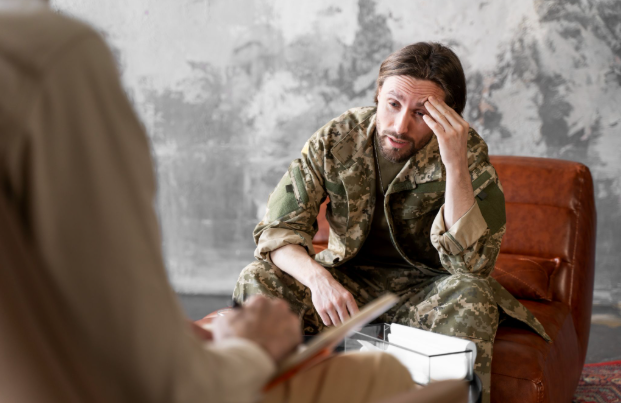
Finding the right support system after military service can feel overwhelming, especially for veterans navigating the challenges of post-traumatic stress disorder (PTSD). Many individuals begin their journey by asking, “Where can I find local support groups for veterans with PTSD?” The answer often begins closer than expected. Local support groups provide a safe and structured environment where veterans can connect, share experiences, and rebuild a sense of belonging. With guidance from trusted providers such as Brain Health USA or a qualified psychiatrist in Los Angeles, veterans can discover meaningful pathways to recovery while staying connected to their communities.
This guide explores how to locate local support groups, what to expect from them, and how to take the first step toward a more supported and balanced life.
Understanding the Importance of Local Support Groups
Support groups are more than informal gatherings; they are communities grounded in shared experiences and mutual understanding. For veterans living with PTSD, connecting with others who have experienced military life can be especially meaningful and validating.
These groups often provide:
- A nonjudgmental environment to share thoughts and emotions
- Opportunities to learn coping strategies from peers
- A sense of camaraderie similar to military bonds
- Encouragement to remain consistent with treatment plans
Unlike clinical settings, support groups focus on peer connection rather than formal diagnosis or treatment. However, they can effectively complement professional care, including psychotherapy and psychiatric services.
Where to Begin Your Search Locally
Locating a support group in your area does not need to be complicated. Many veterans find success by starting with trusted healthcare providers and expanding their search into community resources.
Start With Mental Health Providers
Organizations such as Brain Health USA play a central role in helping veterans connect with local resources. In addition to providing clinical services, they often guide individuals toward community-based support options.
You can:
- Ask about nearby support groups during appointments
- Request recommendations based on your needs and preferences
- Explore integrated care options that include both therapy and peer support
If you are already working with a mental health provider, such as a psychiatrist or therapist, they can often provide updated information about support groups that fit your schedule and goals.
Exploring Community-Based Options
Many support groups are hosted within community settings, making them more accessible and comfortable for participants. These environments can foster familiarity and encourage consistent attendance.
Common locations include:
- Community centers offering wellness programs
- Faith-based organizations hosting peer support gatherings
- Libraries or public institutions with mental health initiatives
- Veteran-focused meeting spaces connected to local providers
These settings typically provide a structured yet welcoming atmosphere where veterans can meet regularly and build trust over time.
Leveraging Telehealth for Local Connections
Although this guide focuses on local support groups, telehealth has become an important tool for discovering and maintaining connections. Virtual platforms can help veterans identify nearby resources or participate in hybrid support models.
Benefits of incorporating telehealth include:
- Flexibility when in-person attendance is not feasible
- Access to facilitators who can recommend local options
- Continuity of care when relocating or facing scheduling challenges
Brain Health USA integrates telehealth services to ensure veterans remain connected to both professional care and peer support networks.
What to Expect in a Support Group Setting
Attending a support group for the first time can feel intimidating. Understanding the typical structure can help reduce uncertainty and build confidence.
A standard session may include:
- Introductions and brief check-ins
- Open sharing or guided discussion topics
- Peer-led conversations about coping strategies
- Closing reflections or grounding exercises
Each group may vary in format, but the core objective remains consistent: to create a respectful, supportive, and confidential space.
Key qualities of an effective support group include:
- Emphasis on confidentiality
- Voluntary participation
- Respectful and inclusive dialogue
- Shared experiences among members
Brain Health USA often assists veterans in identifying groups that meet these standards, ensuring a positive experience.
Combining Support Groups With Professional Care
Support groups are valuable, but they are most effective when integrated with professional mental health care. Veterans managing PTSD often benefit from a comprehensive, multi-layered approach.
Professional care can:
- Provide structured therapeutic techniques through talk therapy
- Address underlying mental health conditions with psychiatric support
- Ensure consistency and coordination across different treatment modalities
Veterans who work with organizations such as Brain Health USA often find that combining peer support with clinical care leads to more sustainable and balanced recovery outcomes.
Overcoming Common Barriers
It is common to encounter challenges when considering participation in a support group. Recognizing these barriers can help individuals move forward with greater confidence.
Common concerns include:
- Discomfort with sharing personal experiences
- Fear of being misunderstood
- Scheduling conflicts
- Transportation limitations
Strategies to overcome these challenges:
- Attend an initial session as an observer
- Choose smaller groups for a more intimate setting
- Use telehealth as a transition to in-person meetings
- Seek guidance from Brain Health USA to find a suitable match
Taking the first step may feel difficult, but it becomes easier with the right support and preparation.
The Role of Peer Connection in Healing
Peer connection is one of the most powerful elements of support groups. Veterans often find comfort and validation in speaking with others who share similar experiences.
Benefits of peer support include:
- Reduced feelings of isolation
- Increased accountability in the recovery process
- Practical coping strategies from lived experiences
- Opportunities to build meaningful, long-term relationships
These connections complement clinical care and contribute to a more holistic recovery process.
Finding the Right Fit for You
Not all support groups are the same, and finding the right fit may require some exploration. Personal preferences and comfort levels play an important role in determining which group is most effective.
Factors to consider:
- Group size and meeting format
- Frequency and scheduling of sessions
- Level of structure versus open discussion
- Comfort with facilitators and participants
Brain Health USA can assist veterans in evaluating these factors and identifying groups that align with their individual needs.
Staying Consistent and Engaged
Consistency is essential for maximizing the benefits of support groups. Regular participation helps build trust and strengthens connections within the group.
Tips for staying engaged:
- Set reminders for meeting times
- Reflect on insights gained after each session
- Share experiences at your own pace
- Combine group participation with ongoing professional care
Consistency does not require perfection; it simply involves showing up and remaining open to the process.
The Connection Between PTSD and Sleep Challenges
Many veterans with PTSD also experience sleep disturbances, including insomnia. These challenges can significantly impact overall well-being and daily functioning.
Support groups can offer practical strategies, such as:
- Relaxation techniques to improve sleep onset
- Establishing calming nighttime routines
- Sharing experiences related to sleep improvement
When combined with professional guidance from Brain Health USA, these strategies can contribute to better sleep and improved mental health.
How Brain Health USA Supports Veterans
Brain Health USA serves as a valuable resource for veterans seeking both clinical care and community support. Their approach emphasizes accessibility, coordination, and individualized care.
Services include:
- Guidance in locating local support groups
- Access to psychiatric and therapeutic services
- Integration of telehealth options
- Coordination between professional care and peer support
This comprehensive approach ensures that veterans are supported throughout their recovery journey.
Taking the First Step Toward Support
Finding a local support group may seem like a small step, but it can lead to meaningful and lasting change. The sense of connection, understanding, and shared growth can significantly improve the experience of managing PTSD.
It is not necessary to have everything figured out before attending your first meeting. What matters most is the willingness to take that initial step toward connection and support.
Final Thoughts
The question, “Where can I find local support groups for veterans with PTSD?” is both important and deeply personal. The answer lies in a combination of community resources, professional guidance, and individual readiness. With support from organizations such as Brain Health USA or by consulting a trusted psychiatrist in Los Angeles, veterans can find spaces where they feel heard, respected, and understood.
Whether you begin by consulting a provider, exploring local community resources, or using telehealth to guide your search, the path to connection is within reach. Healing does not happen in isolation, and the right support group can serve as a powerful foundation for recovery, resilience, and renewed purpose.
Strict reminder from Brain Health USA to seek a doctor’s advice in addition to using this app and before making any medical decisions.
Read our previous blog post here: https://brainhealthusa.com/psychiatrist-in-brooklyn-works-with-fidelis/