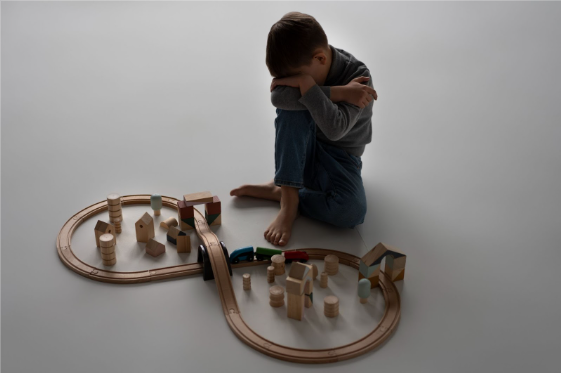
When families begin searching for a psychiatrist in Virginia Beach that accepts Sentara, it is often because a child is showing signs of emotional or behavioral challenges that require professional attention. One condition that requires early recognition and specialized care is obsessive-compulsive disorder (OCD) in childhood. With proper guidance, children can learn to manage their symptoms and develop effective coping strategies that support long-term emotional and developmental well-being.
At Brain Health USA, the focus is on delivering structured and compassionate care that supports both children and their families. Through early intervention and personalized treatment plans, OCD in childhood can be effectively managed, allowing children to thrive academically, socially, and emotionally.
What Is OCD in Childhood?
Obsessive-compulsive disorder in childhood is a mental health condition characterized by persistent, intrusive thoughts (obsessions) and repetitive behaviors (compulsions) that a child feels driven to perform. These behaviors are often attempts to reduce anxiety, but they can become time-consuming and disruptive to daily life.
A psychiatrist in Virginia Beach that accepts Sentara plays a vital role in identifying these patterns, understanding their impact, and developing a structured treatment plan tailored to the child’s developmental stage and individual needs.
Common Obsessions in Children
Children with OCD may experience distressing and persistent thoughts that are difficult to control. These may include:
- Fear of germs, contamination, or illness
- Intrusive thoughts about harm coming to themselves or others
- Excessive need for symmetry, order, or exactness
- Persistent worries about making mistakes or doing something wrong
These thoughts often cause significant anxiety, leading children to engage in compulsive behaviors.
Common Compulsions
Compulsions are repetitive actions or mental rituals that children perform to reduce anxiety. These may include:
- Excessive handwashing or cleaning routines
- Repeated checking of doors, locks, or belongings
- Repeating words, phrases, or counting patterns
- Arranging objects in a very specific way
At Brain Health USA, these behaviors are carefully evaluated to determine how they affect the child’s daily functioning and emotional health.
Why Early Intervention Matters
Early intervention is critical when addressing OCD in childhood. Without proper treatment, symptoms can become more severe and interfere with development, learning, and relationships.
Benefits of Early Treatment
- Helps children understand and manage their thoughts and behaviors
- Reduces the frequency and intensity of compulsions
- Improves concentration and school performance
- Strengthens emotional regulation and resilience
- Builds confidence and independence
Brain Health USA emphasizes early evaluation to ensure children receive timely and appropriate care.
How OCD in Childhood Differs from Adult OCD
OCD in children often presents differently than in adults. Children may not fully understand their thoughts or recognize that their fears are irrational. As a result, symptoms are often expressed through behavior rather than verbal explanation.
Key Differences Include
- Children may believe their fears are realistic and justified
- Difficulty articulating intrusive thoughts
- Greater reliance on parents for reassurance
- Behavioral expressions of distress rather than verbal descriptions
A psychiatrist in Virginia Beach that accepts Sentara can interpret these behaviors and provide developmentally appropriate support and guidance.
Recognizing the Signs of OCD in Childhood
Parents and caregivers are often the first to notice unusual or repetitive behaviors. Recognizing early warning signs is essential for timely intervention.
Warning Signs to Watch For
- Spending excessive time on repetitive rituals
- Becoming distressed when routines are disrupted
- Avoiding specific places or activities due to fear
- Constantly seeking reassurance
- Difficulty focusing due to intrusive thoughts
A psychiatrist in Virginia Beach that accepts Sentara can help distinguish between normal developmental behaviors and symptoms that require clinical attention.
Supporting Children with OCD: The Role of Brain Health USA
Brain Health USA provides comprehensive and individualized care for children experiencing OCD symptoms. Their approach combines clinical expertise with compassionate support to ensure meaningful progress.
Key Elements of Their Approach
- Personalized treatment plans tailored to each child
- Collaboration with families for consistent care
- Focus on emotional and behavioral development
- Ongoing evaluation and adjustment of treatment
By working with a psychiatrist in Virginia Beach that accepts Sentara, families gain access to structured and dependable care.
Therapeutic Strategies for Pediatric OCD
Effective treatment for OCD in childhood typically involves a combination of therapeutic approaches designed to address both symptoms and underlying triggers.
Psychotherapy
Psychotherapy is one of the most effective tools for managing OCD. It helps children:
- Understand intrusive thoughts
- Develop strategies to reduce compulsive behaviors
- Learn healthier coping mechanisms
- Build emotional resilience
Behavioral Interventions
Behavioral techniques are used to gradually reduce compulsions and anxiety.
- Controlled exposure to feared situations
- Learning to tolerate discomfort without rituals
- Reinforcing positive behaviors
Family Involvement
Family support is essential for successful treatment.
- Educating parents about OCD
- Creating structured and supportive home environments
- Encouraging consistency in routines
A psychiatrist in Virginia Beach that accepts Sentara works closely with families to ensure treatment strategies are effective and sustainable.
The Emotional Impact of OCD in Childhood
OCD affects not only behavior but also emotional well-being. Children may experience frustration, embarrassment, or fear related to their symptoms.
Emotional Challenges May Include
- Increased anxiety due to intrusive thoughts
- Low self-esteem or confidence
- Difficulty expressing emotions
- Social withdrawal or isolation
A psychiatrist in Virginia Beach that accepts Sentara helps children navigate these challenges while building emotional strength.
Creating a Supportive Environment at Home
A structured and supportive home environment plays a key role in a child’s progress.
Helpful Strategies for Parents
- Encourage open and honest communication
- Avoid reinforcing compulsive behaviors
- Maintain consistent routines
- Celebrate small achievements
- Practice patience and understanding
These strategies help children feel safe and supported throughout their treatment journey.
The Role of Telehealth in OCD Treatment
Telehealth services have made mental health care more accessible for families.
Advantages of Telehealth
- Convenient access to care from home
- Reduced travel time and stress
- Consistent follow-up appointments
- Flexible scheduling options
Brain Health USA incorporates telehealth to ensure continuous care for children and families.
Building Confidence and Resilience in Children
One of the primary goals of treatment is to help children develop resilience and confidence.
Through Support, Children Can
- Gain confidence in managing challenges
- Develop problem-solving skills
- Learn to tolerate uncertainty
- Build independence
With the support of Brain Health USA, children are empowered to grow beyond their symptoms.
Overcoming Challenges in Treatment
Treatment may involve obstacles, but progress is achievable with consistency and support.
Common Challenges Include
- Resistance to change
- Difficulty confronting fears
- Inconsistent routines
- Emotional setbacks
A psychiatrist in Virginia Beach that accepts Sentara adjusts treatment plans to support steady improvement.
Collaboration Between Families and Providers
Strong collaboration is essential for successful outcomes.
Effective Collaboration Includes
- Open communication between families and providers
- Shared understanding of treatment goals
- Consistent application of strategies
A psychiatrist in Virginia Beach that accepts Sentara works closely with families to ensure alignment and progress.
Recognizing Subtle Signs of OCD
Some symptoms may be less obvious and easily overlooked.
Less Obvious Indicators Include
- Excessive reassurance-seeking
- Repeating or redoing tasks frequently
- Avoiding specific triggers such as numbers or colors
- Quiet rituals that are not immediately noticeable
- Strong emotional reactions to small changes
Early recognition allows for timely intervention and improved outcomes.
Encouraging Growth and Independence
Children with OCD can lead fulfilling and successful lives with proper support.
Ways to Encourage Growth
- Focus on strengths and interests
- Provide positive reinforcement
- Encourage independence
- Support social engagement
A psychiatrist in Virginia Beach that accepts Sentara ensures children are supported in both managing symptoms and achieving personal growth.
Supporting Children Through Compassionate Care
Finding a psychiatrist in Virginia Beach that accepts Sentara is a meaningful step toward addressing OCD in childhood. With support from Brain Health USA, families gain access to structured and compassionate care focused on both immediate and long-term needs.
OCD in childhood requires patience, understanding, and professional guidance. Through personalized treatment and consistent support, children can learn to manage their symptoms and build a strong foundation for the future.
Help Your Child Take the First Step Toward Healing
If your child is showing signs of OCD, now is the time to seek support. A trusted psychiatrist in Virginia Beach that accepts Sentara at Brain Health USA can guide your family through a personalized care plan focused on growth and stability.
Early intervention can make a meaningful difference in your child’s development and well-being. Take the first step today and begin a journey toward confidence, resilience, and lasting progress with compassionate, expert care.
Strict reminder from Brain Health USA to seek a doctor’s advice in addition to using this app and before making any medical decisions.
Read our previous blog post here: https://brainhealthusa.com/psychiatrist-in-henrico-takes-aetna-better-health-of-virginia/