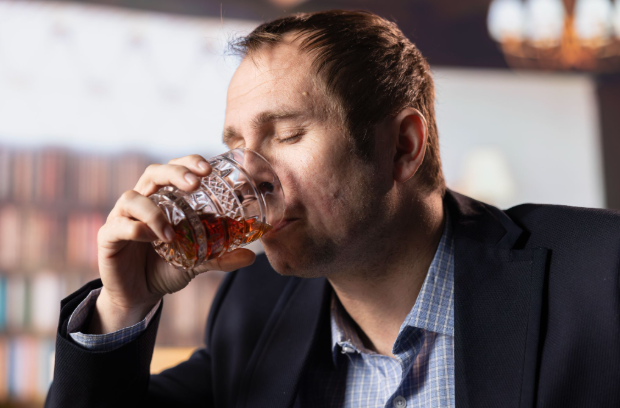
Substance use disorder (SUD) is a complex medical condition that affects the brain, behavior, and overall well-being. It is characterized by an inability to control the use of alcohol, prescription medications, or illicit substances despite negative consequences. The condition often develops gradually, making it difficult for individuals to recognize until it begins to interfere with daily functioning, relationships, and mental health.
For residents of New York, seeking professional help from a psychiatrist in New York that accepts Molina ensures access to specialized, integrated care. Psychiatrists are uniquely qualified to address both substance use and co-occurring mental health conditions through comprehensive evaluation, therapy, and medication management when necessary.
Understanding Substance Use Disorder
Substance use disorder is more than occasional or recreational substance use. It is a chronic medical condition that alters the brain’s reward, motivation, and self-control systems. Over time, individuals may find it increasingly difficult to resist cravings or regulate their behavior.
Common symptoms of SUD include:
- Persistent cravings or urges that dominate thoughts and actions
- Loss of control, including using larger amounts or for longer periods than intended
- Continued use despite negative consequences in relationships, work, or health
- Withdrawal symptoms such as irritability, nausea, insomnia, or anxiety when reducing use
- Behavioral and emotional changes, including mood swings, social withdrawal, or increased risk-taking
Recognizing SUD as a medical and psychological condition helps reduce stigma and encourages individuals to seek appropriate care. A psychiatrist in New York that accepts Molina can provide individualized treatment plans that address both the physiological and psychological components of addiction.
Mental Health Conditions Associated With Substance Use Disorder
Substance use disorder frequently co-occurs with other mental health conditions, often referred to as dual diagnosis or co-occurring disorders. These conditions can complicate recovery and require integrated treatment approaches.
Common co-occurring conditions include:
- Anxiety disorders: Chronic worry, panic attacks, or generalized anxiety may lead individuals to use substances as a coping mechanism.
- Depressive disorders: Persistent sadness, low energy, and hopelessness often contribute to substance misuse.
- Bipolar disorder: Alternating periods of mania and depression can increase impulsivity and risky substance use.
- Post-traumatic stress disorder (PTSD): Individuals may use substances to cope with trauma-related symptoms such as flashbacks or hypervigilance.
- Attention-deficit/hyperactivity disorder (ADHD): Impulsivity and difficulty with focus can increase vulnerability to early substance use and long-term dependence.
Treating both SUD and underlying mental health conditions simultaneously improves long-term outcomes. A psychiatrist in New York that accepts Molina is trained to develop integrated treatment strategies that address these interconnected issues.
The Role of a Psychiatrist in Substance Use Treatment
Psychiatrists play a critical role in the diagnosis and treatment of substance use disorders. Their medical training allows them to address both mental health and addiction-related concerns comprehensively.
Key responsibilities include:
- Comprehensive assessment: Evaluating substance use patterns, psychiatric history, and behavioral factors
- Medication management: Prescribing medications to reduce cravings, ease withdrawal symptoms, and stabilize mood
- Therapeutic interventions: Utilizing evidence-based approaches such as cognitive-behavioral therapy (CBT), motivational interviewing, and supportive psychotherapy
- Care coordination: Collaborating with therapists, social workers, and primary care providers
- Ongoing monitoring: Tracking progress, adjusting treatment plans, and preventing relapse
By working with a psychiatrist in New York that accepts Molina, patients receive holistic care tailored to their individual needs.
Types of Treatment for Substance Use Disorder
Recovery from SUD involves a range of treatment options, depending on the severity of the condition and individual circumstances.
Common treatment approaches include:
- Outpatient therapy: Flexible sessions that allow individuals to maintain daily responsibilities
- Group counseling: Peer support that fosters accountability and shared experiences
- Dual diagnosis programs: Integrated care for individuals with co-occurring mental health conditions
- Intensive outpatient programs (IOPs): Structured treatment with frequent sessions and monitoring
- Residential or inpatient treatment: 24-hour care for individuals with severe SUD
- Telepsychiatry: Remote access to psychiatric care and medication management
Organizations such as Brain Health USA can help individuals navigate these options and connect with appropriate services.
The Importance of Molina Insurance in Psychiatric Care
Access to behavioral health services is often influenced by insurance coverage. Molina Healthcare provides essential support for individuals seeking mental health and substance use treatment.
Key benefits include:
- Coverage for behavioral health services: Including psychiatric evaluations, therapy, and medication management
- Access to in-network providers: Helping patients find a psychiatrist in New York that accepts Molina
- Care coordination services: Assistance with referrals and connecting to additional resources
- Telehealth options: Increasing accessibility for individuals with transportation or scheduling challenges
Verifying Molina coverage ensures timely access to necessary care and reduces financial barriers.
Choosing the Right Psychiatrist
Selecting the right psychiatrist is a critical step in recovery. Patients should consider several factors when making their decision:
- Experience in treating substance use disorders and dual diagnosis
- Acceptance of Molina insurance
- Treatment approach, including therapy methods and medication use
- Communication style and ability to build trust
- Recommendations from healthcare professionals or patient reviews
A strong therapeutic relationship enhances engagement, adherence to treatment, and overall recovery outcomes.
Lifestyle and Community Support in Recovery
While professional treatment is essential, recovery also depends on lifestyle changes and social support systems.
Important strategies include:
- Establishing structured routines: Promotes stability and reduces exposure to triggers
- Engaging in physical activity: Improves mood and reduces stress
- Participating in peer support groups: Encourages accountability and shared understanding
- Practicing mindfulness techniques: Such as meditation or deep breathing to manage cravings
- Avoiding triggers: Identifying and minimizing exposure to high-risk situations
Combining these strategies with guidance from a psychiatrist in New York that accepts Molina strengthens the foundation for long-term recovery.
The Role of Families and Caregivers
Families and caregivers are vital in supporting individuals with substance use disorder. Their involvement can significantly influence recovery outcomes.
They can help by:
- Providing emotional support without judgment
- Encouraging participation in treatment
- Assisting in identifying triggers and stressors
- Participating in family therapy or educational programs
- Advocating for appropriate care and insurance services
A supportive environment fosters resilience and reduces the risk of relapse.
Overcoming Barriers to Treatment
Many individuals face obstacles when seeking treatment for substance use disorder, including stigma, limited access to care, and financial concerns.
A psychiatrist in New York that accepts Molina can help address these barriers by:
- Offering compassionate, judgment-free care
- Connecting patients with appropriate resources and programs
- Facilitating insurance coverage and reducing financial strain
- Providing telehealth services for increased accessibility
Reducing these barriers enables more individuals to access effective and timely treatment.
Long-Term Relapse Prevention Strategies
Recovery from substance use disorder is an ongoing process that requires continuous effort and support.
Effective relapse prevention strategies include:
- Regular follow-up appointments with a psychiatrist
- Continued participation in therapy
- Maintaining structured daily routines
- Engaging in peer support or recovery communities
- Developing healthy coping mechanisms for stress and triggers
A psychiatrist in New York that accepts Molina can tailor these strategies to each individual’s needs, ensuring a sustainable recovery plan.
Conclusion: Taking the First Step Toward Recovery
Substance use disorder is a challenging but highly treatable condition. Seeking professional help from a psychiatrist in New York that accepts Molina ensures that both substance use and underlying mental health conditions are addressed through comprehensive, evidence-based care.
With the support of organizations such as Brain Health USA, individuals can access valuable resources, personalized treatment plans, and ongoing guidance. Combining psychiatric care, insurance support, lifestyle changes, and community engagement creates a strong foundation for lasting recovery.
Recovery is a journey that requires commitment, support, and access to appropriate care. By taking the first step and seeking professional help, individuals can move toward a healthier, more balanced, and fulfilling life.
Strict reminder from Brain Health USA to seek a doctor’s advice in addition to using this app and before making any medical decisions.
Read our previous blog post here: https://brainhealthusa.com/psychiatrist-in-brooklyn-takes-mvp/