Anxiety is often thought of as an emotional or mental challenge, but its impact reaches far beyond the mind. The body frequently mirrors anxiety, and recognizing anxiety physical symptoms is crucial, as many people fail to notice how their bodies react. Understanding these physical symptoms is essential for timely intervention and effective management.
Brain Health USA highlights the importance of recognizing these signs early, as untreated anxiety can subtly influence daily life and overall well-being. A psychiatrist in Los Angeles often emphasizes that addressing both mental and physical symptoms creates a holistic approach to care.
Common Physical Symptoms of Anxiety
Anxiety does not always appear as racing thoughts or panic attacks. Often, the body sends signals that something is amiss. Some of the most common physical symptoms of anxiety include:
Rapid heartbeat and palpitations: Many people feel their heart racing unexpectedly, even when at rest. This is the body’s response to perceived threats, preparing for a “fight or flight” situation.
Muscle tension: Chronic anxiety often causes tightness in the shoulders, neck, or jaw. Brain Health USA notes that these physical strains can persist long after the initial stressor has passed.
Sweating and chills: Sudden sweating or feeling cold can occur without physical exertion, signaling heightened nervous system activity.
Shortness of breath: Anxiety can affect breathing patterns, causing shallow or rapid breaths. A psychiatrist in Los Angeles may recommend breathing exercises to counteract this physical manifestation.
Digestive issues: Nausea, bloating, and stomach discomfort are common. Anxiety triggers changes in the digestive system, often without an obvious cause.
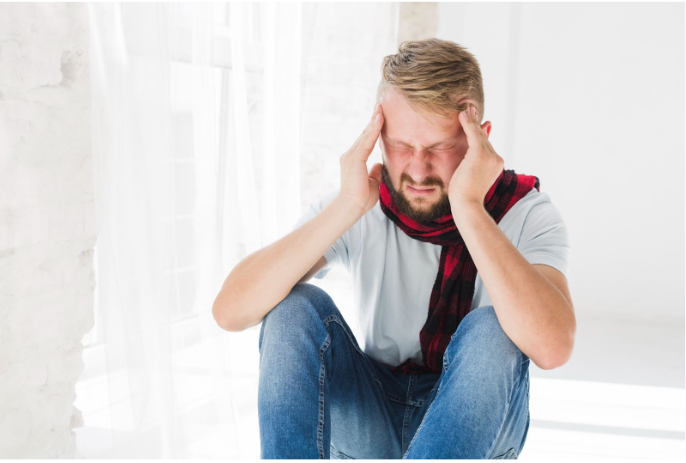
Headaches and migraines: Muscle tension, stress hormones, and nervous system activity can contribute to recurring headaches.
Fatigue and weakness: Even minor stress can exhaust the body over time, leaving individuals feeling drained despite adequate rest.
Recognizing these symptoms early can prevent escalation and improve overall quality of life. Brain Health USA emphasizes that acknowledging physical signs is not a sign of weakness but a step toward proactive self-care.
Less Obvious Physical Symptoms
Not all physical signs of anxiety are immediately obvious. Some subtle symptoms may be mistaken for other conditions:
Trembling or shaking: Uncontrolled shaking of the hands, legs, or voice can result from persistent anxiety.
Dizziness or lightheadedness: Feeling faint or unsteady can occur due to hyperventilation or changes in blood flow caused by anxiety.
Skin reactions: Flushing, rashes, or sudden itching may occur as the body responds to stress.
Tinnitus or ringing in the ears: Anxiety can heighten sensory perception, leading to noticeable changes in hearing.
Sleep disturbances: Difficulty falling asleep, frequent waking, or restless nights are often physical reflections of anxious thoughts.
Brain Health USA encourages individuals to monitor these subtle signals and consider consulting a psychiatrist in Los Angeles if symptoms interfere with daily life.
How Anxiety Physically Manifests in Daily Life
Anxiety’s impact extends beyond isolated moments of worry. Physical symptoms often infiltrate routine activities:
At work: Physical stress often appears as muscle tension, headaches, or general fatigue, which can make it harder to focus, think clearly, and maintain productivity. Over time, these symptoms may contribute to burnout or decreased job satisfaction.
During social interactions: Anxiety-related physical reactions—such as sweating, trembling, rapid heartbeat, or flushed skin—can appear during meetings, presentations, or social gatherings. These symptoms can intensify self-consciousness, making social interactions feel more stressful.
At home: Stress and anxiety can disrupt digestion, sleep, and overall rest, often contributing to sleep disorders such as insomnia or restless leg syndrome. These disruptions leave the body fatigued and less able to recover. Poor sleep and ongoing tension create a cycle where physical symptoms feed into emotional stress, worsening sleep quality, and reducing overall well-being.
Understanding the connection between anxiety and daily physical symptoms allows individuals to take preventive measures before symptoms escalate. Brain Health USA emphasizes the importance of mindful observation of these patterns.
Strategies to Manage Physical Symptoms of Anxiety
Addressing anxiety involves more than calming the mind; physical symptoms require intentional care. Below are strategies to consider:
Regular exercise: Movement helps release tension and regulate nervous system activity. Simple stretches or yoga can reduce muscle tightness and promote relaxation.
Breathing techniques: Deep, controlled breathing combats shallow breaths and reduces heart palpitations. Techniques like diaphragmatic breathing are effective.
Nutrition and hydration: Balanced meals and proper hydration support digestive health and energy levels, mitigating some physical effects of anxiety.
Sleep hygiene: Establishing consistent sleep routines helps counteract fatigue and improves the body’s resilience to stress.
Mindful awareness: Tracking physical symptoms and triggers can provide insight and improve early intervention.
Professional guidance: A psychiatrist in Los Angeles can develop personalized strategies to address both emotional and physical aspects of anxiety. Brain Health USA often collaborates with medical professionals to ensure comprehensive care.
When Physical Symptoms Warrant Medical Attention
While most physical symptoms of anxiety are manageable, certain signs require professional evaluation:
- Persistent or worsening heart palpitations
- Severe digestive issues affecting daily nutrition
- Chronic headaches or unexplained pain
- Sudden dizziness or fainting episodes
Brain Health USA recommends seeking guidance from a psychiatrist in Los Angeles when symptoms begin to interfere with regular life. Early intervention can prevent complications and improve long-term outcomes.
Wellness Routines for Calming Anxiety-Related Body Symptoms
Incorporating consistent habits can significantly alleviate the body’s response to anxiety:
Regular physical activity: Engaging in regular exercise—such as walking, cycling, yoga, or strength training—helps release built-up tension, improves circulation, and stabilizes mood by boosting endorphins. Regular movement also enhances energy levels and overall physical health.
Meditation and relaxation techniques: Practicing mindfulness, deep breathing, progressive muscle relaxation, or guided meditation helps calm the nervous system, reduce stress, and promote better sleep. These techniques train the mind to respond to stress more calmly and increase emotional resilience.
Balanced nutrition: Consuming a diet rich in essential vitamins, minerals, and macronutrients supports both mental and physical health. Nutrient-dense foods help maintain energy, strengthen the immune system, and provide the body with the resources it needs to recover from stress and maintain resilience.
Limiting stimulants: Reducing or avoiding caffeine, energy drinks, and other stimulants can prevent heightened heart palpitations, restlessness, and sleep disturbances. Moderating these substances allows the body to maintain a more stable rhythm and supports relaxation.
Supportive relationships: Spending time with friends, family, or joining support groups provides emotional support, reduces feelings of isolation, and helps manage stress. Brain Health USA emphasizes that integrating these practices into daily life strengthens the body’s response to anxiety and fosters long-term wellness.
Los Angeles Psychiatrists: Responsibilities and Impact
For those struggling with persistent physical symptoms of anxiety, professional intervention can make a significant difference. A psychiatrist in Los Angeles can:
- Identify physical symptoms linked to anxiety rather than other medical conditions
- Develop personalized treatment strategies addressing both mind and body
- Recommend lifestyle adjustments and coping techniques for daily management
- Coordinate with wellness centers like Brain Health USA to provide holistic care
This partnership ensures individuals receive comprehensive attention, reducing the physical and mental burden of anxiety.
Recognizing and Managing the Physical Symptoms of Anxiety
Anxiety is not limited to the mind—it affects the body in profound and often overlooked ways. From muscle tension to sleep disturbances, digestive issues, and heart palpitations, understanding these physical symptoms is essential for effective management.
Brain Health USA emphasizes the value of recognizing these signs early, while a psychiatrist in Los Angeles can guide interventions tailored to both mental and physical health. By observing, managing, and addressing these physical manifestations, individuals can reclaim a sense of balance and well-being in their daily lives.
Awareness, proactive care, and professional guidance are key to ensuring anxiety does not dominate one’s body or mind.
Find Support Today
Don’t let anxiety control your body or mind. If you’re experiencing persistent physical symptoms of anxiety, reach out to a psychiatrist in Los Angeles for personalized guidance. Brain Health USA is here to support you with strategies to manage both your mind and body, helping you regain balance and peace in daily life. Start your journey to wellness today.
Strict reminder from Brain Health USA to seek a doctor’s advice in addition to using this app and before making any medical decisions.
Read our previous blog post here: https://brainhealthusa.com/anxiety-symptoms-subtle-and-clear-signs/