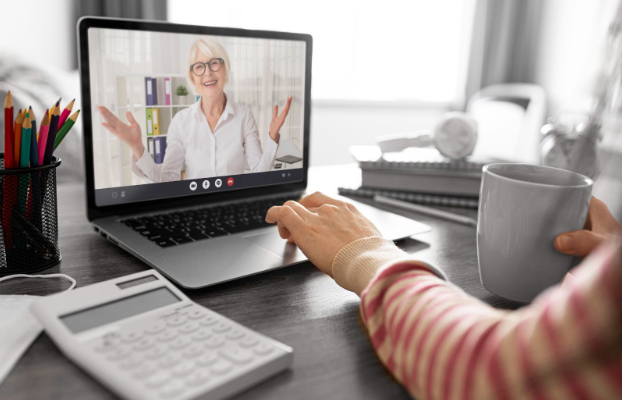
In recent years, telehealth has reshaped how people connect with mental health professionals, offering flexibility without sacrificing quality. Understanding how telehealth works can help individuals and families feel confident when choosing virtual services, especially when working with trusted organizations like Brain Health USA and experienced psychiatrists in Los Angeles.
This comprehensive guide explores the process, purpose, and possibilities of telehealth—focusing on what patients can expect, how care is delivered, and why virtual platforms continue to play a vital role in modern mental health support.
Understanding the Meaning Behind Telehealth
Before diving deeper into how telehealth works, it helps to clarify what telehealth truly represents. Telehealth refers to the use of secure digital technology to provide healthcare services remotely. Rather than visiting an office in person, individuals connect with licensed professionals using video calls, phone sessions, or secure messaging platforms.
At Brain Health USA, telehealth is designed to maintain the same level of professionalism, privacy, and clinical attention found in traditional settings while adapting care to fit modern lifestyles.
How Telehealth Works From the First Step
The telehealth journey begins long before the actual appointment. It is a structured process that prioritizes comfort, accessibility, and continuity of care.
Key steps in the telehealth process:
- Scheduling an appointment through a secure online system
- Completing digital intake forms in advance
- Receiving clear instructions on how to join the virtual session
- Connecting with a licensed provider at the scheduled time
For those seeking support from psychiatrists in Los Angeles, telehealth eliminates geographical barriers while preserving the therapeutic connection.
Technology That Supports Telehealth Sessions
A common question when learning how telehealth works is whether advanced technology is required. In reality, the setup is intentionally simple.
What you typically need:
- A smartphone, tablet, laptop, or desktop computer
- A stable internet connection
- A quiet, private space for sessions
- Basic familiarity with video conferencing tools
Organizations like Brain Health USA prioritize user-friendly platforms to ensure sessions feel natural rather than technical.
The Role of Providers in Virtual Care
Telehealth does not change the qualifications or responsibilities of mental health professionals. Licensed psychiatrists, psychologists, and therapists follow the same clinical standards whether sessions are virtual or in person.
What providers do during telehealth sessions:
- Conduct comprehensive assessments
- Discuss symptoms, goals, and progress
- Provide guidance and structured treatment plans
- Adjust care approaches as needed
Many psychiatrists in Los Angeles appreciate telehealth for its ability to maintain consistent engagement, especially during busy schedules.
Telehealth and Talk Therapy
One area where telehealth has proven especially effective is talk therapy. Virtual sessions allow individuals to engage in meaningful conversations from familiar environments, which can enhance openness and comfort.
Benefits of telehealth for talk therapy:
- Reduced travel-related stress
- Increased scheduling flexibility
- Continuity during life transitions
- Greater comfort in personal surroundings
At Brain Health USA, talk therapy delivered through telehealth is tailored to individual needs while maintaining a strong therapeutic alliance.
Privacy and Confidentiality in Telehealth
Understanding how telehealth works also involves knowing how privacy is protected. Confidentiality remains a cornerstone of virtual care.
How privacy is maintained:
- Use of encrypted communication platforms
- Secure storage of digital records
- Private login credentials for each session
- Clear boundaries around session environments
Patients working with psychiatrists in Los Angeles through telehealth can feel reassured that confidentiality standards are taken seriously.
Telehealth for Different Age Groups
Adaptable across age ranges, this approach supports individuals, couples, and families alike.
Telehealth across life stages:
- Adults managing daily responsibilities
- Adolescents balancing school and social life
- Families seeking coordinated support
Brain Health USA ensures telehealth services are thoughtfully adjusted to match developmental needs and communication styles.
Telehealth and Adult Psychiatry
Adult psychiatry is one of the most common areas supported through telehealth. Virtual care allows adults to maintain regular appointments while managing work, family, and personal obligations.
Why adults choose telehealth:
- Flexible scheduling
- Reduced time away from responsibilities
- Easier follow-up appointments
- Consistent provider access
Many psychiatrists in Los Angeles have embraced telehealth as a way to support long-term engagement and stability.
The Therapeutic Environment in Virtual Sessions
A common misconception is that telehealth feels impersonal. In practice, many individuals find virtual sessions surprisingly engaging.
Creating a productive telehealth space:
- Choose a quiet, comfortable location
- Minimize distractions
- Use headphones if needed
- Treat the session as you would an in-person visit
Providers at Brain Health USA often guide patients on how to create an environment that supports focus and openness.
Telehealth and Continuity of Care
Consistency is essential in mental health support. Telehealth allows individuals to maintain ongoing relationships with providers even when circumstances change.
How telehealth supports continuity:
- Easy rescheduling when conflicts arise
- Continued access during travel or relocation
- Seamless transitions between care phases
For those working with psychiatrists in Los Angeles, telehealth ensures care remains steady and dependable.
Communication Beyond the Session
Telehealth extends beyond live appointments. Secure digital tools support ongoing communication and organization.
Additional features often included:
- Appointment reminders
- Secure messaging for non-urgent questions
- Access to treatment summaries
- Digital document sharing
Brain Health USA integrates these features to enhance clarity and engagement between sessions.
Addressing Common Concerns About Telehealth
Learning how telehealth supports remote care also means addressing common worries that may arise.
Frequently raised concerns:
- Will the connection feel personal?
- Is virtual care as effective as in-person visits?
- What happens if technical issues occur?
Experienced providers, including psychiatrists in Los Angeles, are trained to navigate these concerns with flexibility and professionalism.
Telehealth and Specialized Support Areas
Telehealth is not limited to general discussions. It can support a wide range of mental health needs when guided by licensed professionals.
Areas often addressed through telehealth:
- Emotional regulation challenges
- Sleep-related concerns such as insomnia
- Stress management strategies
- Relationship and communication dynamics
At Brain Health USA, care plans are individualized rather than one-size-fits-all.
The Human Connection in Virtual Care
Despite being delivered digitally, telehealth remains deeply human. The therapeutic relationship continues to be built on trust, empathy, and collaboration.
What makes telehealth feel personal:
- Consistent provider-patient relationships
- Attentive listening and guided conversation
- Personalized care strategies
- Ongoing feedback and adjustment
Many patients report feeling more at ease opening up in familiar settings.
Telehealth and Lifestyle Balance
Modern life often demands flexibility. Telehealth supports balance by integrating care into everyday routines rather than disrupting them.
Lifestyle-friendly aspects of telehealth:
- No commuting stress
- Easier integration with daily schedules
- Greater accessibility during busy periods
- Reduced barriers to consistency
Psychiatrists in Los Angeles frequently note that telehealth improves appointment adherence and engagement.
Why Organizations Like Brain Health USA Matter
Choosing a trusted provider is essential when exploring the telehealth process. Brain Health USA stands out for its commitment to professionalism, personalized care, and ethical practice.
What sets Brain Health USA apart:
- Licensed and experienced professionals
- Secure and user-friendly platforms
- Patient-centered care models
- Emphasis on continuity and collaboration
Their approach reflects the evolving standards of virtual mental health support.
Preparing for a Successful Telehealth Experience
A little preparation can significantly enhance the effectiveness of telehealth sessions.
Simple preparation tips:
- Test your device and connection beforehand
- Write down key topics to discuss
- Set boundaries to avoid interruptions
- Approach the session with openness
These steps help ensure sessions with psychiatrists in Los Angeles remain focused and productive.
The Future of Telehealth Services
Telehealth continues to evolve, blending innovation with clinical expertise. While technology advances, the core purpose remains unchanged: providing meaningful, accessible mental health care.
Brain Health USA remains committed to adapting telehealth services responsibly while maintaining high standards of care.
Final Thoughts: How Telehealth Works in Everyday Life
Understanding how telehealth works empowers individuals to make informed decisions about their mental health journey. By combining secure technology, skilled professionals, and thoughtful care models, telehealth offers a practical and effective way to stay connected.
With organizations like Brain Health USA and dedicated psychiatrists in Los Angeles, virtual care becomes more than a convenience—it becomes a reliable pathway to ongoing support, connection, and growth.
Strict reminder from Brain Health USA to seek a doctor’s advice in addition to using this app and before making any medical decisions.
Read our previous blog post here: https://brainhealthusa.com/can-an-anxiety-disorder-be-cured-permanently-understanding-long-term-healing/