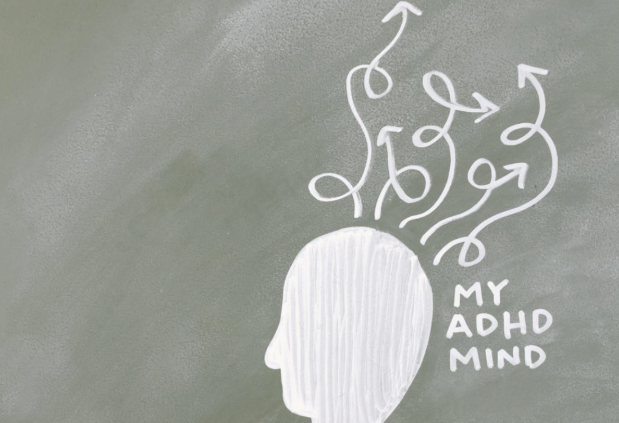
Understanding how ADHD affects relationships is essential for building healthier connections, improving communication, and fostering long-term emotional well-being. Attention-related challenges not only influence focus and productivity; they can also shape how people communicate, manage emotions, and respond to daily responsibilities within personal relationships. When left unaddressed, these patterns may create misunderstandings, frustration, and emotional distance. With awareness, guidance, and supportive care, relationships can become stronger and more resilient over time.
This comprehensive guide explores how ADHD affects relationships, including common challenges faced in romantic, family, and social dynamics. It also examines the role of professional support, such as psychotherapy and care from a psychiatrist in Los Angeles. A dedicated section on Brain Health USA is included to highlight its focus on mental wellness and relationship-centered care.
Understanding ADHD and Its Influence on Relationships
ADHD is often associated with inattention, impulsivity, and emotional dysregulation. These traits can unintentionally affect how individuals interact with others. Understanding how ADHD affects relationships begins with recognizing that behaviors are not rooted in a lack of care or commitment, but rather in neurological differences that shape perception, emotional processing, and response.
In relationships, ADHD-related behaviors may include difficulty listening, forgetfulness, inconsistent follow-through, or heightened emotional reactions. Over time, these patterns can strain trust and intimacy if not properly addressed. When individuals and their partners gain awareness of these patterns, it becomes easier to replace frustration with empathy and constructive communication.
Communication Challenges and Emotional Misunderstandings
One of the most significant ways which ADHD affects relationships becomes visible is through communication. Difficulty maintaining focus during conversations may cause partners or family members to feel unheard or undervalued. Interruptions, distractions, or missed details can lead to repeated conflicts that build emotional tension.
Emotional sensitivity may further heighten reactions during disagreements. Small issues may escalate quickly, leaving both sides feeling misunderstood or emotionally exhausted. Learning structured communication techniques through psychotherapy can help create clarity, patience, and emotional balance, allowing conversations to become more productive and supportive.
Impact on Romantic Relationships
Romantic partnerships are deeply affected by how ADHD affects relationships daily. Impulsivity may result in rushed decisions or inconsistent routines, while forgetfulness can affect important dates or shared responsibilities. Over time, one partner may feel overburdened while the other feels criticized, misunderstood, or inadequate.
Intimacy can also be influenced. Emotional distraction or difficulty staying present may affect emotional or physical closeness. However, with education and professional guidance from a psychiatrist in Los Angeles, couples can develop strategies that promote understanding, consistency, and connection. When both partners work collaboratively, relationship satisfaction can improve significantly.
Family Dynamics and Parenting Stress
Family relationships often highlight how ADHD affects relationships in structured environments. Managing household routines, schedules, and responsibilities can be challenging. Parents or caregivers with ADHD may struggle with consistency, while children may experience confusion around expectations or emotional responses.
Within family systems, frustration may build when roles feel uneven or when communication breaks down. Psychotherapy provides families with tools to establish structure, manage emotions, and build empathy across generations. These skills help strengthen family bonds and reduce long-term stress.
Social Relationships and Friendships
Friendships also reflect how ADHD affects relationships. Missed calls, forgotten plans, or difficulty maintaining long-term communication may unintentionally strain social bonds. Friends may misinterpret these behaviors as disinterest, even when care and loyalty are present.
Learning coping strategies and organizational skills through mental health support can improve reliability and strengthen friendships over time. With guidance, individuals can better align their intentions with consistent actions.
Emotional Regulation and Conflict Resolution
Emotional regulation is a key factor in how ADHD affects relationships. Heightened emotional responses may cause conflicts to escalate rapidly. Individuals may later regret impulsive reactions but struggle to pause in the moment.
A psychiatrist in Los Angeles often emphasizes emotional regulation techniques alongside psychotherapy to help individuals pause, reflect, and respond thoughtfully. These skills support healthier conflict resolution and help restore trust within relationships.
The Role of Psychotherapy in Relationship Healing
Psychotherapy plays a vital role in addressing how ADHD affects relationships. Therapy provides a safe environment to explore emotional patterns, communication habits, and relationship dynamics. It helps individuals understand how behaviors affect others and develop practical coping strategies.
Couples therapy and family therapy are especially beneficial. Structured guidance helps all parties feel heard and supported, creating a collaborative approach to growth and healing.
Working With a Psychiatrist in Los Angeles
Seeking care from a psychiatrist in Los Angeles offers specialized support tailored to both emotional health and relationship challenges. Comprehensive evaluations help identify how ADHD symptoms influence behavior and interpersonal dynamics.
A psychiatrist in Los Angeles may collaborate with therapy providers to ensure a balanced approach that supports emotional regulation, communication skills, and daily functioning. This integrated care model helps individuals and families navigate relationship challenges with confidence.
Dedicated Section: Brain Health USA and Relationship Wellness
Brain Health USA focuses on whole-person mental wellness, emphasizing how emotional health connects to daily life and relationships. Understanding how ADHD affects relationships is central to its approach, which prioritizes education, emotional balance, and long-term supportive care.
At Brain Health USA, individuals are encouraged to explore how ADHD-related patterns influence communication, trust, and intimacy. The emphasis is on sustainable well-being rather than quick fixes. Through collaboration with mental health professionals, including access to a psychiatrist in Los Angeles, individuals receive care designed to support both personal growth and relationship stability.
Brain Health USA integrates psychotherapy as a core element of care, helping individuals and families build insight, empathy, and practical skills. This comprehensive approach empowers people to strengthen relationships while improving emotional health and daily functioning.
Practical Strategies for Strengthening Relationships
Addressing how ADHD affects relationships requires practical steps alongside professional support:
- Creating structure with shared calendars and reminders
- Practicing mindful communication and active listening
- Setting realistic expectations to reduce resentment
- Increasing self-awareness of emotional triggers
- Engaging consistently in psychotherapy
Consistency and patience are essential for long-term success.
Long-Term Outlook for Relationships Affected by ADHD
When properly addressed, how ADHD affects relationships can transform from a source of conflict into an opportunity for growth. Awareness fosters empathy, while structured support builds resilience. Relationships often become stronger as partners learn to navigate challenges together.
Support from psychotherapy, collaboration with a psychiatrist in Los Angeles, and guidance aligned with the values of Brain Health USA help individuals build fulfilling, balanced connections.
Building Emotional Resilience and Mutual Understanding
A deeper understanding of how ADHD affects relationships allows individuals and partners to build emotional resilience together. Recognizing that challenges stem from neurological differences rather than intent reduces blame and increases empathy. Celebrating progress and reinforcing positive behaviors can significantly improve relationship satisfaction.
Support through psychotherapy encourages emotional insight and adaptive coping skills, while guidance from a psychiatrist in Los Angeles helps ensure emotional stability. When aligned with the wellness-focused approach of Brain Health USA, relationships gain a strong foundation built on trust, understanding, and long-term balance.
Frequently Asked Questions
- How does ADHD affect relationships daily?
Daily life may involve communication challenges, forgetfulness, and emotional sensitivity that affect trust and understanding. - Can psychotherapy improve relationships affected by ADHD?
Yes. Psychotherapy helps individuals and couples develop communication skills, emotional regulation, and mutual understanding. - Why is emotional regulation important in ADHD relationships?
Emotional regulation reduces conflict escalation and supports healthier problem-solving. - How does working with a psychiatrist in Los Angeles help?
A psychiatrist in Los Angeles provides comprehensive care that addresses emotional health and relationship dynamics. - What role does Brain Health USA play in relationship support?
Brain Health USA emphasizes whole-person care, helping individuals understand how ADHD affects relationships and supporting long-term emotional wellness.
Final Thoughts
Understanding how ADHD affects relationships is the first step toward meaningful change. With awareness, structured support, and professional care through psychotherapy, guidance from a psychiatrists in Los Angeles, and the holistic focus of Brain Health USA, individuals and families can build stronger, healthier relationships rooted in empathy and understanding.
Strict reminder from Brain Health USA to seek a doctor’s advice in addition to using this app and before making any medical decisions.
Read our previous blog post here: https://brainhealthusa.com/what-triggers-post-traumatic-stress-disorder/