Introduction
Sleep problems can affect nearly every part of daily life, and two of the most commonly discussed issues are insomnia and sleep apnea. Many people who struggle with restless nights often ask the same important question: can insomnia cause sleep apnea? While these conditions are different in how they affect the body, their relationship is more connected than it may seem. Insomnia’s constant wakefulness, disrupted rhythms, and nighttime tension can influence patterns that make sleep apnea more noticeable or more severe. With support from resources such as Brain Health USA and guidance from a qualified psychiatrist in Los Angeles, individuals can better understand how these sleep challenges interact and what steps can lead to more restful nights.
A New Look at Insomnia and Sleep Apnea
Insomnia and sleep apnea are often thought of as opposite ends of the sleep-disruption spectrum—one involves difficulty falling or staying asleep, while the other involves breathing interruptions during sleep. Yet the two can overlap, influence each other, and create a cycle that can feel impossible to break without proper guidance.
Understanding Insomnia
People with insomnia commonly experience:
- Trouble falling asleep
- Waking up during the night
- Light or unrefreshing sleep
- Early morning waking
- Mental restlessness when attempting to relax
Understanding Sleep Apnea
Sleep apnea typically presents as:
- Disrupted breathing during sleep
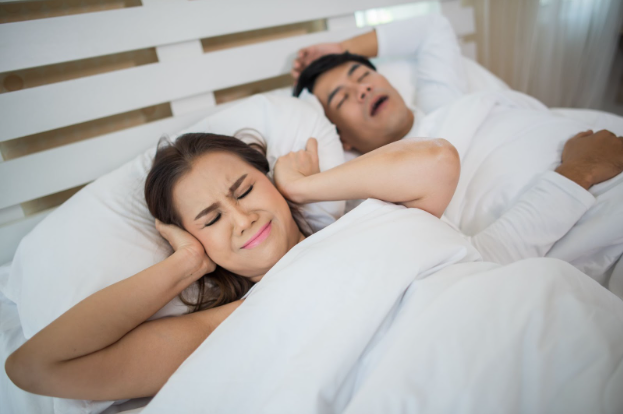
- Loud snoring
- Gasping or choking awakenings
- Morning grogginess or headaches
- Difficulty concentrating during the day
While insomnia stems from difficulty initiating or maintaining sleep, sleep apnea results from physical airway blockage or disrupted breathing signals. Yet the two conditions can collide in unexpected ways.
Can Insomnia Cause Sleep Apnea? A Closer Exploration
The short answer: insomnia does not directly cause sleep apnea, but it can contribute to circumstances that make sleep apnea more likely to emerge or worsen. Rather than a cause-and-effect relationship, the connection is more often bi-directional, where each condition influences the other in subtle or profound ways.
How Insomnia May Influence Sleep Apnea
Insomnia can create conditions that encourage sleep apnea to develop or intensify. These influences may include:
- Altered breathing patterns: Shallow or irregular breathing from stress and restlessness may make airway collapse more likely.
- Increased nighttime arousal: Frequent awakenings change the natural rhythm of sleep, potentially disrupting airway stability.
- Elevated tension levels: Persistent mental tension can affect muscle tone in the throat, contributing to nighttime breathing challenges.
- Fragmented sleep cycles: Constantly shifting sleep stages can interfere with the body’s natural ability to maintain steady breathing.
How Sleep Apnea May Trigger Insomnia
While insomnia does not cause sleep apnea, sleep apnea frequently causes insomnia-like symptoms. Breathing pauses can jolt a person awake, leaving them restless, alert, or fearful of falling back asleep.
This often leads to:
- Inability to maintain sleep
- Nighttime dread or hypervigilance
- Restlessness from repeated awakenings
- Worries about sleep quality
This creates a loop where the stress from poor breathing fuels insomnia, and insomnia increases the vulnerability to nighttime breathing disruptions.
Shared Features That Link Insomnia and Sleep Apnea
Even without direct causation, the two conditions share several overlapping features that strengthen their connection:
- Nighttime restlessness
- Cognitive overstimulation
- Lifestyle habits that affect sleep
- Environmental sleep disruptions
- Underlying health concerns are influenced by daily routines
- Emotional strain related to poor-quality rest
Organizations such as Brain Health USA often help individuals explore these shared features to identify whether one condition is masking the other.
How a Psychiatrist in Los Angeles Can Help Identify the Connection
Many people with sleep difficulties are unsure whether they’re experiencing insomnia, sleep apnea, or both. A psychiatrist in Los Angeles familiar with sleep-related issues can help by:
- Evaluating sleep habits and patterns
- Identifying mood, anxiety, or stress-related influences
- Exploring behaviors that may encourage sleep interruptions
- Coordinating with sleep specialists when apnea is suspected
- Developing strategies to improve the consistency of rest
By incorporating providers like Brain Health USA, individuals gain a well-rounded framework for understanding their nighttime challenges from multiple angles.
Why the Distinction Matters
Knowing whether insomnia is contributing to sleep apnea—or the other way around—shapes the entire approach to improving sleep.
If Insomnia Is the Dominant Issue
Addressing insomnia may help reduce nighttime arousal that worsens airway instability. Helpful areas to explore include:
- Body relaxation routines
- Calming nighttime environments
- Thought-reframing techniques
- Reducing stimulating habits before bed
- Gentle evening wind-down practices
If Sleep Apnea Is the Primary Driver
Improving nighttime breathing reduces awakenings, which can significantly diminish insomnia symptoms. This might include exploring:
- Breathing support devices
- Adjustments to sleeping posture
- Creating sleep conditions that reduce airway strain
Brain Health USA often provides support in identifying which issue serves as the root, helping individuals avoid trial-and-error approaches.
Breaking the Cycle: Fresh Approaches to Dual Sleep Challenges
When insomnia and sleep apnea occur together, the key is creating a plan that addresses both. A unique structure tailored to the individual is essential.
Here are helpful areas to incorporate:
Mindful Nighttime Patterns
- Setting boundaries with screens and stimulating activities
- Using gentle, rhythmic breathing
- Practicing pre-sleep grounding exercises
Environmental Adjustments
- Maintaining a calming sleep space
- Supporting air quality and temperature comfort
- Minimizing disruptive noises or disruptions
Functional Daily Routines
- Creating consistent sleep-wake timing
- Engaging in regular light movement
- Allowing natural light exposure early in the day
Breathing-Friendly Positions
- Using postures that support airway openness
- Avoiding positions that collapse the throat
- Introducing supportive pillows for alignment
With the support of a psychiatrist in Los Angeles and guidance from organizations like Brain Health USA, many individuals find that addressing both the mental and physical sides of sleep leads to long-term improvements.
Why You Should Pay Attention to Early Signs
Ignoring insomnia while hoping it resolves on its own can lead to escalating nighttime disruptions. Similarly, dismissing loud snoring or abrupt awakenings may allow sleep apnea to go unrecognized.
Early signs worth noticing include:
- Persistent trouble falling asleep
- Frequent nighttime awakenings
- Loud snoring observed by others
- Morning grogginess despite full sleep time
- Feeling mentally “wired” at bedtime
The earlier these concerns are identified, the easier it is to intervene effectively and prevent one condition from amplifying the other.
The Role of Brain Health USA in Supporting Sleep Concerns
While the primary focus here is the relationship between insomnia and sleep apnea, Brain Health USA serves as a resource for individuals seeking clarity, guidance, and structured support.
Their role may include:
- Helping individuals identify signs of overlapping sleep concerns
- Offering tools to manage mental patterns connected to insomnia
- Coordinating care when sleep apnea symptoms emerge
- Providing ongoing support for sleep-related behavioral improvements
Their involvement adds a layer of understanding, particularly when both mental restlessness and nighttime breathing issues coexist.
How to Move Forward If You Suspect a Connection
If you feel that insomnia may be contributing to nighttime breathing issues—or that sleep apnea is fueling sleeplessness—taking thoughtful steps toward evaluation can make a meaningful difference.
Consider the following:
- Speak with a psychiatrist in Los Angeles who can explore the mental and emotional components of sleep.
- Reach out to Brain Health USA for direction on identifying coexisting sleep challenges.
- Begin observing your nighttime patterns more closely.
- Avoid self-diagnosing, as the relationship between insomnia and sleep apnea can be subtle and multi-layered.
Final Thoughts
While insomnia does not cause sleep apnea directly, it can create conditions that make sleep apnea more likely to appear or intensify. At the same time, sleep apnea often produces insomnia-like symptoms, creating a cycle that disrupts rest from both directions.
Understanding their connection is the first step toward reclaiming consistent, restorative sleep. With support from psychiatrists in Los Angeles and guidance through organizations like Brain Health USA, individuals can develop a clear, effective plan that addresses both the mental and physical components of nighttime rest.
If sleep has felt elusive, disrupted, or unpredictable, exploring both insomnia and sleep apnea together may be the key to long-term relief.
Empower Your Mental Health
If you’ve ever wondered, “can insomnia cause sleep apnea?” or feel caught in a cycle of sleepless nights and disrupted breathing, don’t wait for the problem to worsen. Support is available, and taking the first step can lead to meaningful, lasting improvement. Reach out to Brain Health USA for guidance and connect with a trusted psychiatrist in Los Angeles who can help you understand the full picture of your sleep concerns. Start prioritizing your rest today—because better sleep begins with the decision to seek the right support.
Strict reminder from Brain Health USA to seek a doctor’s advice in addition to using this app and before making any medical decisions.
Read our previous blog post here: https://brainhealthusa.com/psychologist-for-adhd-and-the-role-of-brain-health-usa/