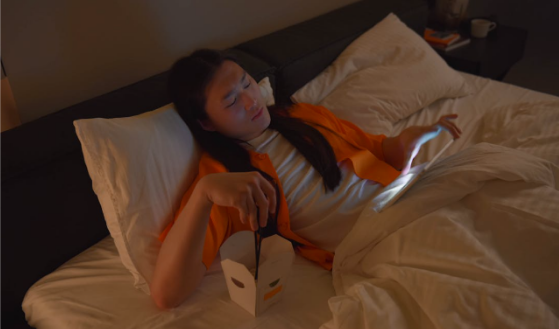
Insomnia is more than just having trouble sleeping—it is a condition that disrupts daily life, drains energy, affects mental clarity, and impacts emotional well-being. Many people wonder, can insomnia be cured? The short answer is yes—insomnia can often be treated successfully, and in many cases, recovery is achievable with the right approach. However, the journey to cure insomnia involves understanding its causes, identifying triggers, and applying consistent treatment strategies.
Sleep is essential for physical restoration, memory consolidation, emotional balance, and overall health. When sleep becomes difficult to achieve, every part of life begins to suffer. People struggling with insomnia may experience fatigue, irritability, difficulty concentrating, and increased stress. Sleep deprivation also contributes to long-term health concerns, including anxiety, depression, weakened immune response, and cognitive decline.
This article explores whether insomnia can be cured, available treatment methods, how professionals like a psychiatrist in Los Angeles can help, and why support from mental health experts matters. A dedicated section also highlights Brain Health USA, a trusted center for mental wellness support.
Understanding Insomnia
Insomnia is defined as persistent difficulty falling asleep, staying asleep, or getting restful sleep despite having the opportunity to rest. It can be short-term or chronic:
- Acute insomnia – lasts days or weeks, usually triggered by stress, life changes, or temporary disruptions.
- Chronic insomnia – lasts three months or longer and may be linked to mental health disorders, lifestyle habits, medical conditions, or environmental factors.
Insomnia can manifest physically and mentally. Some people lie awake for hours before falling asleep, while others wake frequently or rise too early. Over time, nighttime struggles become daytime struggles—making routine tasks harder to manage.
Can Insomnia Be Cured?
This is one of the most searched questions online, and rightly so. For many individuals, yes, insomnia can be cured or significantly improved with proper treatment and lifestyle modifications. Recovery depends on identifying the root cause and addressing it through behavioral changes, therapy, or medical support. While some people find relief through better sleep habits, others require professional guidance.
Treating insomnia is not always a one-step process. It often involves a combination of strategies, including sleep hygiene improvement, cognitive behavioral therapy, medication when needed, and emotional support. With the right plan, countless individuals regain healthy sleep patterns and long-term relief.
What Causes Insomnia?
To understand whether insomnia can be cured, we must explore what causes it. Common triggers include:
- Stress, anxiety, overthinking
- Excessive screen time at night
- Irregular sleep schedules
- Caffeine or alcohol consumption late in the day
- Chronic pain or physical discomfort
- Mental health conditions such as depression or anxiety disorders
- Traumatic events or emotional distress
- Environmental disturbances such as noise or light
- Poor sleep habits developed over time
Identifying the cause is a crucial first step. A psychiatrist in Los Angeles may evaluate sleep patterns, lifestyle factors, emotional health, and physical conditions to create a personalized treatment plan.
Effective Treatments for Insomnia
Insomnia treatment varies depending on severity and underlying causes. The following are proven methods to help restore healthy sleep:
1. Cognitive Behavioral Therapy for Insomnia (CBT-I)
CBT-I is considered the most effective long-term solution. It focuses on replacing negative sleep thoughts with positive associations and creating healthier sleep patterns. Many patients experience lasting improvements without medication.
2. Sleep Hygiene Adjustments
Good sleep habits can make a significant difference:
- Maintain consistent sleep and wake times
- Limit screen exposure before bed
- Create a dark, quiet, cool sleeping environment
- Avoid heavy meals and caffeine late in the day
- Develop a calming bedtime routine
These habits train the brain to associate nighttime with rest.
3. Relaxation and Mindfulness Practices
Techniques such as meditation, deep breathing, and progressive muscle relaxation can calm the nervous system and prepare the mind for sleep.
4. Medication When Necessary
A psychiatrist in Los Angeles may prescribe sleep medication short term if insomnia is severe or persistent. Medication is often used in combination with therapy for the best results.
5. Treatment of Underlying Mental Health Conditions
For many individuals, insomnia is a symptom rather than the primary issue. Treating anxiety, depression, trauma, or stress often improves sleep naturally.
The Role of Mental Health Professionals
While many lifestyle changes can be made independently, some individuals require professional care. Both psychologists and psychiatrists play important roles in insomnia treatment. Psychologists often provide therapy to address emotional factors and behavioral habits. Psychiatrists may diagnose mental health conditions and offer medical treatment if needed, including medication management.
Working with professionals increases the likelihood of long-term recovery and eliminates guesswork.
Brain Health USA – A Supportive Path for Insomnia Recovery
For those seeking expert care, Brain Health USA stands as a supportive and dedicated resource for mental wellness. This center focuses on treating insomnia and related mental health conditions with a comprehensive approach that blends science-based methods with personalized care. Through assessments, therapy sessions, and mental health evaluations, individuals receive guidance tailored to their needs.
Sleep problems often improve significantly with professional intervention. Brain Health USA’s team understands the complexity of insomnia and provides strategies that address both the psychological and physical components of sleep disruption. Whether someone needs counseling, behavioral therapy, medication evaluation, or long-term mental wellness support, they offer a safe environment for healing and recovery.
Those searching for a psychiatrist in Los Angeles or therapy support can find assistance within Brain Health USA, ensuring access to professionals who specialize in treating sleep-related mental health challenges.
Can Insomnia Be Prevented?
In many cases, yes. Preventive habits contribute to long-lasting sleep health. Prioritizing sleep is just as important as nutrition or exercise. Prevention tips include:
- Creating a sleep-friendly environment
- Exercising regularly (but not right before bed)
- Keeping a sleep journal to identify triggers
- Managing stress through therapy or relaxation
- Avoiding naps that interfere with nighttime rest
- Practicing bedtime rituals like reading or stretching
Prevention works best when practiced consistently.
Why Addressing Insomnia Early Matters
Ignoring insomnia often leads to worsening symptoms and long-term struggles with mental and physical health. Chronic sleep deficiency increases the risk of mood disorders, weakened concentration, low productivity, irritability, and impaired decision-making. Over the years, lack of sleep can contribute to high stress levels, memory issues, and reduced quality of life.
Seeking help early improves recovery outcomes. Professionals like a psychiatrists in Los Angeles or a psychologist provide tools that help restore balance, improve sleep, and enhance emotional wellness.
Conclusion
So, can insomnia be cured? For many individuals, yes—insomnia can be treated and managed successfully. With proper guidance, lifestyle adjustments, and, when needed, professional intervention, sleep can be restored, and quality of life can improve dramatically. The key is not to struggle alone.
Support is available, solutions exist, and recovery is possible. Whether someone chooses self-guided strategies or seeks expert care through Brain Health USA, the path toward restful nights and peaceful mornings is achievable.
Frequently Asked Questions (FAQ)
1. How do I know if I have insomnia?
If you struggle to fall asleep, wake frequently, or feel unrested despite adequate time in bed for several nights per week, you may be experiencing insomnia.
2. Can insomnia go away on its own?
Short-term insomnia sometimes resolves naturally, but chronic insomnia often requires treatment or guidance from a mental health professional.
3. Who should I consult for insomnia treatment?
A psychologist can provide therapy for behavioral changes, while a psychiatrist in Los Angeles can offer medical evaluation and treatment if needed.
4. Does medication cure insomnia?
Medication can provide short-term relief, but a long-term cure typically involves therapy, lifestyle changes, and addressing underlying causes.
5. Is Brain Health USA a good place to seek help for insomnia?
Yes, Brain Health USA offers treatment support for insomnia and related mental health conditions through structured therapy and psychiatric care.
Strict reminder from Brain Health USA to seek a doctor’s advice in addition to using this app and before making any medical decisions.
Read our previous blog post here: https://brainhealthusa.com/can-ocd-cause-anxiety-understanding-the-link-symptoms-and-treatment/