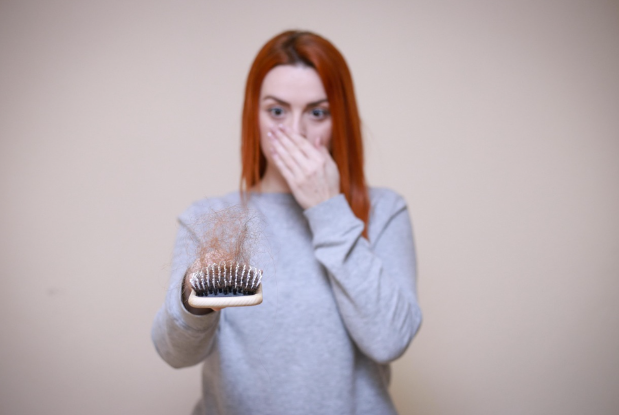
Depression is often discussed in terms of emotional pain, low energy, and mood changes, but its effects can extend far beyond mental well-being. One question that frequently arises is: can depression cause hair loss? While hair loss is usually associated with genetics, hormones, or aging, mental health plays a significant and often overlooked role in overall physical appearance, including the health of hair.
This article explores the connection between depression and hair loss, how stress and emotional imbalance affect the body, and why a holistic mental health approach—including adult psychiatry—can be essential for recovery. Understanding this link can empower individuals to seek the right support, whether through lifestyle changes, therapeutic strategies, or guidance from a psychiatrist in Los Angeles who specializes in comprehensive mental health care.
Understanding Depression Beyond Emotions
Depression is not simply a state of sadness. It is a complex mental health condition that affects brain chemistry, hormones, sleep patterns, appetite, and immune function. These internal changes can trigger a range of physical symptoms, including fatigue, body aches, skin issues, and hair loss.
When asking if depression can cause hair loss, it is important to recognize that depression can disrupt the body’s natural balance. The brain communicates with the rest of the body through chemical messengers. When these signals are altered due to prolonged low mood or emotional stress, physical systems may respond in unexpected and visible ways.
How Depression Can Lead to Hair Loss
Hair growth follows a natural cycle of growth, rest, and shedding. Depression can interfere with this cycle in several important ways:
Stress-Related Hair Shedding
Depression is often accompanied by chronic stress. Elevated stress hormones can push hair follicles into a resting phase, leading to increased shedding weeks or even months later. This type of hair loss is often experienced as diffuse thinning rather than distinct bald patches.
Nutritional Imbalances
Loss of appetite, irregular eating patterns, or emotional eating are common symptoms of depression. When the body lacks essential nutrients, hair follicles may weaken, resulting in brittle hair and increased hair fall.
Sleep Disruption
Poor sleep quality affects hormone regulation and cellular repair. Since hair growth relies on healthy cell regeneration, chronic sleep disturbances linked to depression may slow hair regrowth and worsen thinning.
Reduced Self-Care
Depression often reduces motivation for daily routines, including personal hygiene and hair care. Neglecting scalp health or grooming can further aggravate existing hair problems.
Together, these factors help explain why many people continue to ask, can depression cause hair loss, and why the answer is increasingly recognized as yes, indirectly, but significantly.
The Role of the Brain in Hair Health
The brain plays a central role in regulating stress responses, hormone production, and immune activity. When depression alters brain function, the ripple effects can extend to the scalp. Hair follicles are particularly sensitive to internal changes involving inflammation, stress hormones, and immune signaling.
This connection highlights why mental health care, including adult psychiatry, is essential. Addressing depression at its source helps restore balance throughout the body, supporting healthier hair growth and overall physical well-being over time.
Depression, Anxiety, and Hair Loss: A Shared Pathway
Depression rarely occurs in isolation. Anxiety frequently coexists, intensifying stress responses and emotional strain. Persistent worry, muscle tension, and emotional overload can further disrupt hair growth cycles.
Many individuals notice increased hair shedding during emotionally challenging periods, reinforcing the question: can depression cause hair loss when anxiety is also present? Understanding that mental health conditions often overlap helps explain why physical symptoms may intensify. Treating emotional health holistically can reduce strain on the body and support both mental clarity and physical recovery.
Why Adult Psychiatry Matters
Adult psychiatry focuses on diagnosing and treating mental health conditions within the context of adult life experiences. Depression in adulthood may stem from prolonged stress, unresolved emotional challenges, life transitions, or accumulated responsibilities.
Through adult psychiatry, individuals receive structured evaluations and tailored treatment plans designed to stabilize mood, regulate sleep, and reduce stress. These improvements directly influence physical processes, including hair health. When depression is effectively managed, hair loss related to emotional distress may gradually improve as the body regains balance.
The Importance of Professional Mental Health Support
Many individuals attempt to manage depression independently, often overlooking its physical consequences. Consulting a psychiatrist in Los Angeles can provide clarity, direction, and professional insight. Psychiatrists understand the complex relationship between brain function and physical symptoms, offering strategies that address both emotional well-being and bodily health.
Professional support helps individuals identify emotional triggers, develop sustainable coping strategies, and create a personalized care plan that promotes long-term stability.
Brain Health USA: A Dedicated Approach to Mental Wellness
A Holistic Approach to Mental and Brain Wellness
Brain Health USA emphasizes the connection between mental health and physical outcomes. Depression is not isolated to emotional symptoms—it can influence energy levels, immune responses, skin health, and hair growth.
When individuals ask, can depression cause hair loss, Brain Health USA encourages looking beyond surface symptoms and understanding root causes. By prioritizing emotional balance, cognitive health, and stress regulation, this approach supports recovery on multiple levels.
Integrating Mental and Physical Health
Brain Health USA promotes proactive, integrative mental health care. Addressing depression through evidence-based strategies helps restore the body’s natural rhythms, including those responsible for hair growth and regeneration. This philosophy aligns closely with adult psychiatry principles, emphasizing long-term brain health, resilience, and overall quality of life.
Lifestyle Strategies That Support Recovery
While professional care is essential, lifestyle adjustments can meaningfully support recovery from depression-related hair loss:
- Stress management: Mindfulness, relaxation techniques, and breathing exercises help regulate stress hormones
- Balanced nutrition: Consistent, nutrient-rich meals support brain function and hair health
- Sleep hygiene: Regular sleep schedules improve hormonal balance and cellular repair
- Physical activity: Gentle movement boosts mood, circulation, and scalp health
- Emotional support: Open communication reduces emotional burden and promotes healing
These strategies work best when combined with adult psychiatry and guidance from a psychiatrist in Los Angeles.
Reframing the Question: Can Depression Cause Hair Loss?
Rather than viewing hair loss as an isolated cosmetic concern, it is more accurate to see it as a signal from the body. Asking about depression can cause hair loss, opening a broader conversation about how mental health influences physical systems.
By addressing depression comprehensively, individuals can improve emotional stability, reduce stress, and create an internal environment that supports healthy hair growth and overall wellness.
Frequently Asked Questions
Can depression cause hair loss even without severe stress?
Yes. Even mild or moderate depression can disrupt hormonal balance and daily routines, which may contribute to hair thinning over time.
Is hair loss from depression permanent?
In many cases, hair loss related to depression is temporary. With proper mental health care and lifestyle support, hair regrowth often improves.
How does adult psychiatry help with depression-related hair loss?
Adult psychiatry focuses on treating the underlying mental health condition, helping stabilize mood, reduce stress, and restore physical balance that supports hair health.
When should someone consult a psychiatrist in Los Angeles?
If depression symptoms persist, worsen, or begin affecting physical health—such as hair loss—consulting a psychiatrist in Los Angeles can provide professional guidance.
How does Brain Health USA approach depression and physical symptoms?
Brain Health USA emphasizes a holistic model that connects mental well-being with physical outcomes, supporting comprehensive brain health and recovery.
Final Thoughts
The connection between mental health and physical appearance is undeniable. Asking about depression can cause hair loss, leading to a deeper understanding of how emotional well-being influences the entire body. Depression affects more than mood—it alters internal systems that play a critical role in hair growth and overall health.
By prioritizing mental wellness through adult psychiatry, seeking guidance from a psychiatrists in Los Angeles, and embracing the holistic philosophy promoted by Brain Health USA, individuals can take meaningful steps toward healing—both mentally and physically
Strict reminder from Brain Health USA to seek a doctor’s advice in addition to using this app and before making any medical decisions.
Read our previous blog post here: https://brainhealthusa.com/how-ocd-affects-the-brain/