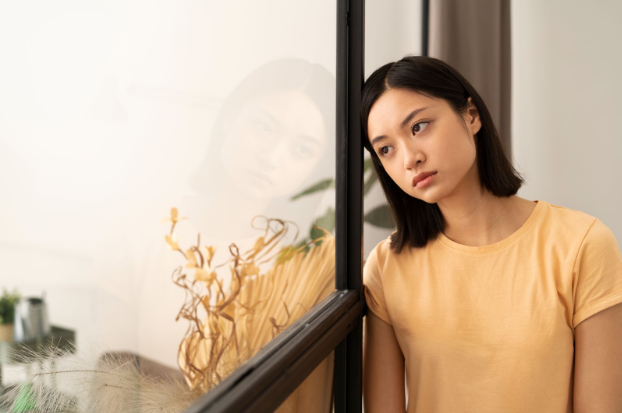
Attention-related challenges impact people differently, but ADHD in women often goes unrecognized for years. Many women grow up believing their struggles come from personality flaws, lack of discipline, or emotional sensitivity—when in reality, the symptoms simply appear differently compared to men. As awareness grows, more women are starting to explore what ADHD truly feels like, why it often hides in plain sight, and how support systems such as Brain Health USA and psychiatrists in Los Angeles help individuals find clarity and direction.
This article explores the unique experiences that women face, why they are so commonly misdiagnosed, and the emerging pathways—like telehealth and expanded mental-health awareness—helping women finally get the support they deserve.
Why ADHD in Women Looks Different
Although the condition can affect anyone, women frequently express their symptoms in quieter, less visible ways. Instead of hyperactivity or disruptive behaviors, many experience:
- Internal restlessness
- Emotional overwhelm
- Perfectionistic tendencies
- Trouble prioritizing
- Difficulty managing time
- Burnout from masking their struggles
These subtler patterns lead many to be misunderstood by family members, partners, teachers, and even healthcare providers.
Because of this, countless women reach adulthood without having language for their challenges. When these individuals finally connect with supportive resources—such as professionals at Brain Health USA or psychiatrists in Los Angeles—it becomes a turning point toward greater clarity.
The Emotional Experience of ADHD in Women
For many women, ADHD does not begin with difficulty focusing—it begins with intense internal pressure.
Common emotional experiences:
- Feeling like you must “hold everything together” even when overwhelmed
- Being incredibly capable but unable to accomplish tasks consistently
- Feeling misunderstood in relationships
- Knowing what to do but feeling stuck on how to start
- Experiencing cycles of motivation, hyper-focus, and burnout
Women often learn early on to mask these challenges. They become experts at performing well on the outside—while privately managing anxiety, self-doubt, and exhaustion.
This is why specialists, including psychiatrists in Los Angeles and organizations like Brain Health USA, emphasize the importance of compassionate, individualized care that recognizes how uniquely ADHD appears in women.
The Hidden Signs Often Overlooked
Some symptoms are so subtle that women rarely associate them with ADHD. Instead, they attribute them to stress, hormones, or personality quirks.
Examples of overlooked signs:
- Forgetting appointments or losing track of time
- Difficulty switching between tasks
- Feeling easily overloaded by noise or clutter
- Overscheduling and overcommitting
- Chronic procrastination
- Starting many projects but finishing a few
- Mental fatigue after social interactions
These patterns become even harder to identify when women excel academically or professionally. Success doesn’t erase the exhaustion underneath—it simply hides it.
How Social Expectations Shape the Experience
Women are often expected to be organized, emotionally stable, nurturing, and detail-oriented. These expectations can add an extra layer of pressure.
The impact of social expectations:
- Women often feel guilty if they struggle with household tasks
- They may compare themselves to others and feel inadequate
- Emotional sensitivity is often judged or minimized
- They may avoid asking for help out of fear of being misunderstood
Connecting with supportive professionals—such as those at Brain Health USA—encourages women to understand that these challenges are symptoms, not personal failings.
Why ADHD in Women Is Frequently Misdiagnosed
Women are often diagnosed later because their symptoms mimic those of other conditions. Depending on the individual, ADHD might appear similar to:
- Anxiety
- Depression
- Stress-related overwhelm
- Emotional sensitivity
- Burnout
Many women seek help for these surface-level concerns, but the underlying ADHD remains unnoticed. A thoughtful evaluation from psychiatrists in Los Angeles or clinicians at Brain Health USA can help uncover the full picture.
The Strengths Women with ADHD Often Possess
While the condition presents challenges, it also comes with remarkable strengths—ones that often go unnoticed.
Common strengths:
- Exceptional creativity
- Deep empathy
- Strong problem-solving abilities
- Ability to think outside the box
- Fierce determination when inspired
- Courage to pursue unconventional paths
Many women thrive in fast-paced environments where flexibility, imagination, and passion are valued. When supported by resources such as Brain Health USA, they learn how to harness these strengths intentionally.
Practical Ways Women Can Support Themselves
Managing ADHD is not just about treatment—it’s about designing a life that aligns with how your mind works best.
Helpful strategies:
- Break big tasks into smaller steps
- Use visual reminders like planners or digital apps
- Prioritize rest and avoid overcommitting
- Set gentle routines that reduce decision fatigue
- Organize environments to feel more predictable
- Practice self-compassion instead of self-criticism
Women are often so accustomed to pushing through overwhelm that they forget they can build systems that support them.
How Support from Professionals Can Help
Supportive ADHD-informed care offers women tools, validation, and practical guidance.
Professionals such as psychiatrists in Los Angeles or mental-health teams at Brain Health USA help women better understand the patterns and habits that shape their daily lives. They also help women uncover strengths, manage emotional load, and build routines that create ease instead of constant pressure.
The goal is not to “fix” the individual—but to offer strategies that fit their natural rhythm.
The Role of Psychotherapy in Emotional Clarity
Because ADHD affects emotional processing, many women benefit from psychotherapy as part of their support plan. Therapists help women explore:
- Emotional triggers
- Relationship patterns
- Self-judgment and social expectations
- Past experiences that shaped their self-image
Through these conversations, women often discover how deeply ADHD influenced their lives long before they recognized it.
Organizations like Brain Health USA offer supportive environments where psychotherapy and ADHD-informed guidance work together to empower long-term clarity.
Life Transitions That Reveal Symptoms
Certain points in a woman’s life tend to amplify ADHD symptoms. These transitions introduce new responsibilities or emotional demands, bringing previously unnoticed challenges to the surface.
Examples of life transitions:
- Starting college or a new job
- Parenthood and managing family responsibilities
- Career advancement
- Navigating changing schedules
- Shifting between multiple roles
Moments of change often reveal how much mental energy women use to stay organized. With the right support—from mental-health organizations like Brain Health USA or psychiatrists in Los Angeles—these transitions become easier to navigate.
How Women Can Advocate for Themselves
Self-advocacy is crucial, especially when symptoms have been overlooked for years.
Ways to advocate for yourself:
- Trust what your experiences are telling you
- Ask questions and seek clarity during evaluations
- Share specific struggles, not just emotions
- Seek professionals who understand women’s ADHD
- Explore supportive services offered through telehealth
- Allow yourself to prioritize your well-being
Self-advocacy is not about demanding more—it’s about recognizing that your experiences deserve to be acknowledged.
Redefining Productivity for Women with ADHD
Society often defines productivity through rigid checklists, fixed schedules, and linear progress. But for many women with ADHD, productivity looks different.
A more realistic definition:
- Productivity is completing tasks at your own pace
- Productivity is honoring rest
- Productivity is choosing priorities based on energy, not pressure
- Productivity includes creativity and adaptive thinking
- Productivity means releasing unrealistic standards
This shift allows women to create lives where they succeed without sacrificing their well-being. Professionals at Brain Health USA often emphasize sustainable routines—ones that support long-term success rather than short bursts of burnout.
Building Supportive Environments
Women flourish when their environments support them instead of undermining their efforts. This does not require perfection—just thoughtful structure.
Simple ways to create supportive spaces:
- Keep frequently used items in predictable places
- Use lists to reduce mental load
- Set boundaries around time and energy
- Simplify choices by reducing clutter
- Build flexible routines instead of rigid ones
These changes may seem small, but they accumulate into a lifestyle that feels calmer and more manageable.
Why Support Matters—And Where to Begin
Recognizing that your experiences align with ADHD is only the beginning. Finding the right support system transforms understanding into empowerment.
Organizations like Brain Health USA, along with psychiatrists in Los Angeles, create pathways for women to explore their symptoms with compassion, professionalism, and respect. Whether through in-person care or accessible telehealth options, these services give women a safe and validating place to begin or continue their journey.
Final Thoughts: Empowering Women to Understand Themselves
Understanding ADHD in women is not just about naming the condition—it’s about acknowledging the emotional, practical, and social challenges that women have carried for years. When women access supportive care through organizations such as Brain Health USA or professionals like psychiatrists in Los Angeles, they gain more than answers—they gain tools, confidence, and the ability to shape a life that truly fits them.
ADHD expresses itself uniquely in every woman. But with the right information, compassionate support, and empowerment, women can move beyond self-criticism and into a fuller understanding of their strengths, needs, and potential.
If you’re ready to explore your experience further, reaching out for support—whether through in-person care or telehealth—may be the next most meaningful step.
Strict reminder from Brain Health USA to seek a doctor’s advice in addition to using this app and before making any medical decisions.
Read our previous blog post here: https://brainhealthusa.com/can-depression-cause-high-blood-pressure-understanding-the-hidden-link/