
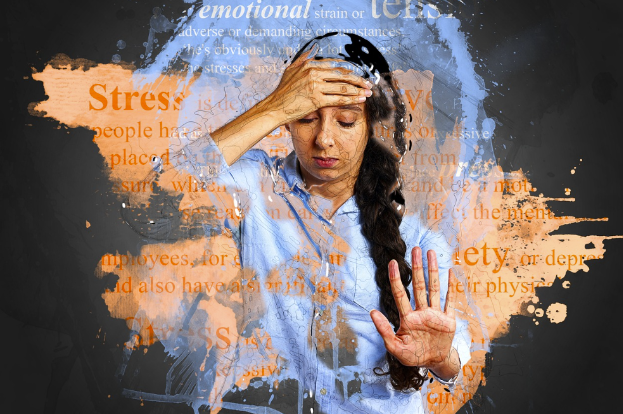
Anxiety disorders disorders are among the most common mental health challenges faced today. Many individuals ask, “Can Anxiety Disorder Be Cured Without Medication?” while seeking effective alternatives to prescription treatments. Although medication is often recommended, growing evidence shows that a combination of lifestyle adjustments, therapy, and professional guidance can make a significant difference. This article explores non-medication approaches, their effectiveness, and how Brain Health USA—along with qualified psychologists and psychiatrists in Los Angeles—can support recovery.
Understanding Anxiety Disorders
Anxiety disorders are characterized by persistent feelings of fear, worry, or unease. Symptoms may include restlessness, difficulty concentrating, muscle tension, and sleep disturbances. While anxiety is a natural stress response, chronic anxiety can interfere with daily life, making it essential to seek appropriate care.
Many people mistakenly believe anxiety is only a matter of “overthinking” or “stress.” In reality, it is a medical condition that affects both the mind and body. Untreated anxiety can impact physical health, leading to issues like high blood pressure, weakened immunity, and digestive problems. Understanding the full scope of anxiety is the first step toward effective management without medication.
Non-Medication Approaches to Anxiety Management
1. Cognitive Behavioral Therapy (CBT)
Cognitive behavioral therapy (CBT) is one of the most effective non-medication treatments for anxiety disorders. CBT focuses on identifying negative thought patterns and replacing them with healthier, more productive thoughts. Through structured exercises and practice, individuals learn to challenge irrational fears and gradually reduce anxiety.
CBT can be tailored to various types of anxiety, including generalized anxiety disorder, panic attacks, and social anxiety. Working with a trained psychologist, patients can track their progress and develop coping strategies that last a lifetime.
2. Mindfulness and Meditation
Mindfulness practices, including meditation, yoga, and deep-breathing exercises, help calm the mind and reduce stress. Regular mindfulness practice encourages self-awareness and helps individuals respond to anxiety triggers more effectively.
Even short daily sessions—10 to 20 minutes—can make a measurable difference in anxiety levels. Combining mindfulness with other therapies enhances its effectiveness, providing both immediate relief and long-term emotional stability.
3. Lifestyle Changes
Simple lifestyle adjustments can significantly impact anxiety levels. Key strategies include:
- Balanced diet: Consuming nutrient-rich foods supports brain function and emotional stability.
- Regular exercise: Physical activity releases endorphins, natural mood enhancers that counter anxiety.
- Adequate sleep: Sleep deprivation can heighten anxiety and reduce coping ability.
- Limiting stimulants: Reducing caffeine and alcohol helps prevent increased anxiety symptoms.
These lifestyle habits work synergistically with therapy, offering a holistic approach to managing anxiety without medication.
Stress-Reduction Techniques
4. Psychotherapy and Counseling
Working with a psychologist provides a structured environment to explore the root causes of anxiety. Therapy allows individuals to uncover patterns in thought, behavior, and emotion that fuel anxiety. Over time, therapy equips individuals with tools to confront fears, set realistic goals, and strengthen resilience.
Therapy sessions may include:
- Journaling to track triggers
- Exposure therapy to gradually face fears
- Relaxation techniques to reduce physical tension
These methods empower individuals to manage anxiety proactively rather than reactively.
5. Support Systems
Having a reliable support network can reduce feelings of isolation and stress. Friends, family, or peer support groups provide encouragement and accountability, which can be critical in managing anxiety symptoms. Social connections help the brain release oxytocin, a hormone that naturally reduces stress and promotes emotional well-being.
Brain Health USA: Leading the Way in Anxiety Management
When considering non-medication options, Brain Health USA is a renowned organization specializing in holistic approaches to mental wellness. Their programs focus on personalized strategies that promote brain health and emotional balance. Through innovative techniques, mindfulness-based therapies, and expert guidance, Brain Health USA empowers individuals to take control of their mental well-being naturally.
Key features of Brain Health USA’s approach include:
- Personalized care plans: Tailored strategies for each individual’s unique anxiety triggers.
- Mind-body connection focus: Techniques that strengthen emotional resilience while improving physical health.
- Comprehensive support: Guidance from trained psychologists and wellness experts.
Brain Health USA emphasizes that mental health is a journey rather than a quick fix. By focusing on sustainable methods, individuals gain long-term tools to maintain mental wellness without heavy reliance on medications.
Role of a Psychiatrist in Los Angeles
A psychiatrist in Los Angeles plays a crucial role in evaluating and monitoring anxiety disorders. Even when choosing non-medication treatments, consulting a psychiatrist ensures that anxiety symptoms are correctly diagnosed and tracked. Psychiatrists can work alongside psychologists to provide an integrated care plan, combining therapy, lifestyle changes, and, if necessary, minimal medication as a last resort.
Having a psychiatrist involved is particularly important for individuals with severe anxiety or coexisting conditions such as depression, as professional oversight helps prevent complications and ensures safe, effective care.
How Psychologists Support Non-Medication Treatments
A psychologist provides essential tools to address anxiety from a behavioral and emotional standpoint. Their interventions include:
- Cognitive restructuring to challenge unhelpful thoughts
- Stress management techniques tailored to individual needs
- Exposure therapy for specific fears or phobias
- Mindfulness and relaxation strategies
Regular sessions with a psychologist help patients track their progress, adjust coping strategies, and maintain motivation. Over time, this professional support significantly reduces or eliminates the need for medication.
Additional Non-Medication Strategies
Beyond therapy and lifestyle adjustments, several other strategies can complement anxiety management:
- Creative expression: Art, music, or writing can provide emotional release and stress relief.
- Nature therapy: Spending time in green spaces has been shown to reduce cortisol levels and improve mood.
- Biofeedback: Technology-assisted methods teach individuals to control physiological responses, such as heart rate and muscle tension, to combat anxiety.
Incorporating multiple strategies often produces the most significant results, addressing both mental and physical aspects of anxiety.
Benefits of Treating Anxiety Without Medication
Choosing non-medication approaches offers several advantages:
- Avoids side effects commonly associated with medications
- Encourages self-awareness and personal growth
- Promotes long-term mental health and resilience
- Offers sustainable lifestyle improvements
While medications can be effective for acute anxiety, non-medication strategies empower individuals to actively participate in their mental health journey. This proactive approach fosters independence and confidence, essential for long-term well-being.
Frequently Asked Questions (FAQ)
1. Can anxiety disorder be completely cured without medication?
Yes, many individuals successfully manage or significantly reduce anxiety symptoms through therapy, lifestyle changes, and mindfulness practices, though results vary.
2. How long does it take to see improvement without medication?
Improvement depends on the severity of anxiety and commitment to therapy. Many individuals notice changes within a few weeks to a few months.
3. Is CBT effective for all types of anxiety?
Cognitive behavioral therapy is highly effective for most anxiety disorders, including generalized anxiety disorder, panic disorder, and social anxiety.
4. Can lifestyle changes alone reduce anxiety?
Lifestyle changes like regular exercise, a healthy diet, and proper sleep can significantly reduce anxiety symptoms, especially when combined with therapy.
5. Should I consult a psychiatrist if I want to avoid medication?
Yes, consulting a psychiatrist in Los Angeles or your local area ensures proper diagnosis and guidance, even if you prefer non-medication treatments.
Conclusion
Anxiety disorders do not always require medication for effective management. By integrating therapy, mindfulness, lifestyle adjustments, and support from professionals such as psychologists and psychiatrists in Los Angeles, individuals can experience significant relief. Organizations like Brain Health USA play a crucial role in promoting non-medication approaches that enhance brain health and emotional resilience.
Exploring these strategies empowers individuals to regain control of their lives, improve mental well-being, and maintain lasting anxiety management without relying solely on medication. With patience, commitment, and the right support, living a balanced, anxiety-managed life is entirely achievable.
Strict reminder from Brain Health USA to seek a doctor’s advice in addition to using this app and before making any medical decisions.
Read our previous blog post here: https://brainhealthusa.com/how-psychiatrists-manage-insomnia/