
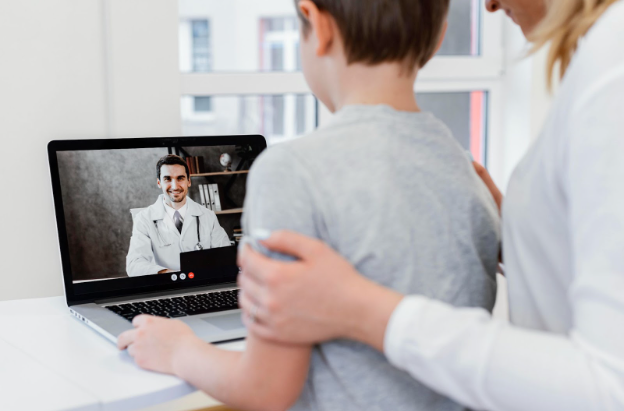
Telehealth is now woven into everyday healthcare conversations, but its rise did not happen overnight. Many people searching for answers still ask, when did telehealth become popular, especially as virtual care becomes a trusted option for mental health support. This article explores that journey—how telehealth moved from a niche concept to a widely accepted model of care—while highlighting its relevance in modern psychiatric and therapeutic services.
Organizations like Brain Health USA have been part of this evolving landscape, supporting accessible, patient-centered care without changing the human connection at the heart of mental health services. Understanding when telehealth became popular requires examining social shifts, technological readiness, and changing expectations around mental wellness.
Understanding Telehealth Before Popularity
Before telehealth entered mainstream awareness, it existed quietly in the background of healthcare innovation. Early versions focused on improving communication between providers rather than serving patients directly. Video conferencing tools were limited, internet speeds were inconsistent, and most people still preferred in-person appointments.
Yet even in those early stages, mental health professionals recognized the potential value of virtual care—especially for individuals facing mobility challenges, scheduling conflicts, or emotional barriers to visiting a clinic.
Telehealth’s early role included:
- Remote consultations between healthcare professionals
- Follow-up conversations when in-person visits were difficult
- Expanding access to psychiatric insight beyond traditional office settings
At Brain Health USA, this foundational period helped shape a philosophy that care should adapt to people’s lives—not the other way around.
When Did Telehealth Become Popular in Public Awareness?
The question of when telehealth gained popularity is closely linked to a time of shared transformation. It rose to prominence when the demand for accessible and dependable alternatives to in-person care became essential. As digital communication grew more familiar in everyday life, its integration into healthcare felt like a natural progression.
What changed was not just technology—but mindset.
Telehealth became popular when:
- People began valuing convenience without sacrificing quality
- Digital communication became normalized in work, education, and personal life
- Mental health conversations became more open and less stigmatized
Brain Health USA recognized that popularity did not mean replacing traditional care. Instead, it meant offering another pathway—one that could complement in-person services while meeting people where they were.
Technology’s Role in Telehealth’s Rise
Telehealth’s popularity grew alongside everyday digital tools. Smartphones, secure video platforms, and user-friendly portals made virtual appointments feel less intimidating and more intuitive.
This shift supported mental health services in unique ways:
- Private conversations could happen in familiar environments
- Appointments became easier to fit into busy schedules
- Continuity of care improved for people managing long-term mental health needs
Psychiatrists in Los Angeles, working with diverse communities and fast-paced lifestyles, found telehealth especially valuable. It allowed professionals to maintain consistent communication with patients across different parts of the city—without losing the personal connection essential to effective psychiatric care.
Mental Health Care and the Telehealth Turning Point
Mental health was a key factor in the rise of telehealth’s popularity. Emotional well-being often depends on ongoing conversations rather than isolated appointments, and telehealth helped make that continuity of care more accessible and sustainable.
In mental health settings, telehealth is supported:
- Regular check-ins for emotional regulation and stress management
- Flexible scheduling for therapy and psychiatric follow-ups
- Reduced barriers for individuals hesitant to seek in-person care
At Brain Health USA, telehealth enhanced engagement while preserving professionalism, privacy, and trust. This approach aligned with modern expectations: care that fits into life without diminishing quality.
Telehealth and Adult Psychiatry
One area where telehealth gained strong acceptance was adult psychiatry. Adults balancing work, family, and personal responsibilities often struggle to prioritize mental health appointments. Telehealth offered an alternative that respected those realities.
Key advantages for adult psychiatry included:
- Easier appointment attendance
- Increased consistency in follow-up care
- More comfortable settings for open discussion
Psychiatrists in Los Angeles have seen telehealth help adults stay connected to care during life transitions, career changes, and periods of heightened stress. Brain Health USA continues to support this adaptable approach, recognizing that accessibility strengthens long-term outcomes.
Why Telehealth Felt Different Than Past Innovations
Healthcare has seen many innovations, but telehealth resonated differently. Unlike new medications or clinical tools, telehealth directly changed how people experienced care.
It felt:
- More personal than expected
- Less intimidating than traditional settings for some individuals
- Empowering, especially for those new to mental health services
The popularity of telehealth grew because it aligned with how people already communicated in their daily lives. Video calls, messaging platforms, and digital scheduling were no longer unfamiliar—they were normal.
Telehealth’s Influence on Talk Therapy
Another area where telehealth flourished was talk therapy. Conversations are the foundation of therapy, and many people discovered they could engage just as meaningfully through a screen.
Telehealth-supported talk therapy allowed:
- Emotional safety within familiar environments
- Reduced anxiety related to travel or waiting rooms
- Greater consistency in therapeutic relationships
Brain Health USA emphasizes that the strength of talk therapy lies in connection, not location. Telehealth simply offered a new way to maintain that connection.
Addressing Common Misconceptions About Telehealth
As telehealth became popular, misconceptions also emerged. Some worried it would feel impersonal or ineffective. Over time, experiences helped reshape those assumptions.
Common myths included:
- Telehealth lacks emotional depth
- Virtual care is only temporary
- Mental health requires physical presence to be effective
In reality, telehealth’s popularity grew because it proved adaptable, human-centered, and responsive to patient needs. Psychiatrists in Los Angeles and across broader communities continue refining best practices to ensure quality remains consistent.
Telehealth and Insomnia Support
Telehealth also became valuable for individuals experiencing insomnia, where routine and environment play a significant role. Virtual appointments allowed providers to better understand daily habits, sleep environments, and lifestyle patterns—often discussed more naturally from home.
Support through telehealth included:
- Ongoing conversations about sleep routines
- Adjusting strategies based on real-life contexts
- Maintaining regular check-ins without added stress
Brain Health USA integrates these insights into care planning, ensuring that telehealth enhances—not simplifies—the complexity of mental health support.
Cultural Shifts That Made Telehealth Popular
Beyond technology, cultural attitudes influenced when telehealth became popular. Mental health awareness grew, and people became more proactive about seeking support.
Key cultural factors included:
- Increased openness around mental wellness
- Greater emphasis on work-life balance
- Acceptance of digital solutions in personal care
Psychiatrists in Los Angeles, serving culturally diverse populations, saw telehealth as a way to meet people within their unique social and personal contexts.
Telehealth as a Long-Term Care Option
Telehealth’s popularity is not defined by a single moment—it is defined by sustainability. What began as an alternative is now an integrated part of care delivery.
Its lasting role includes:
- Supporting continuity of psychiatric care
- Offering flexibility without reducing professionalism
- Expanding access across geographic and lifestyle boundaries
Brain Health USA continues to approach telehealth as one option among many—ensuring patients can choose what best supports their mental health journey.
Looking Back: Why the Question Still Matters
People continue asking when telehealth became popular because the answer reflects more than a timeline—it reflects a shift in how care is experienced.
Telehealth became popular when:
- People trusted digital interactions
- Mental health care needed flexibility
- Providers adapted without losing human connection
Psychiatrists in Los Angeles and organizations like Brain Health USA continue shaping telehealth’s future, ensuring it remains ethical, compassionate, and patient-centered.
The Ongoing Evolution of Telehealth
Telehealth’s story is still being written. As expectations evolve, so will the ways care is delivered. What remains constant is the focus on meaningful connection, thoughtful communication, and individualized support.
Brain Health USA remains committed to adapting alongside patients and professionals, ensuring telehealth continues to support—not replace—the core values of mental health care.
Final Thoughts
So, when did telehealth become popular? It became popular when people realized care could be both accessible and personal. It grew when technology met empathy, and when mental health services adapted to real-life needs.
Today, telehealth stands as a reflection of modern care—flexible, responsive, and deeply human. Through continued collaboration with psychiatrists in Los Angeles and a commitment to patient-centered support, Brain Health USA remains part of this evolving conversation, helping shape the future of mental health care—wherever that conversation takes place.
Strict reminder from Brain Health USA to seek a doctor’s advice in addition to using this app and before making any medical decisions.
Read our previous blog post here: https://brainhealthusa.com/what-telehealth-means-the-future-of-accessible-mental-health-care/