
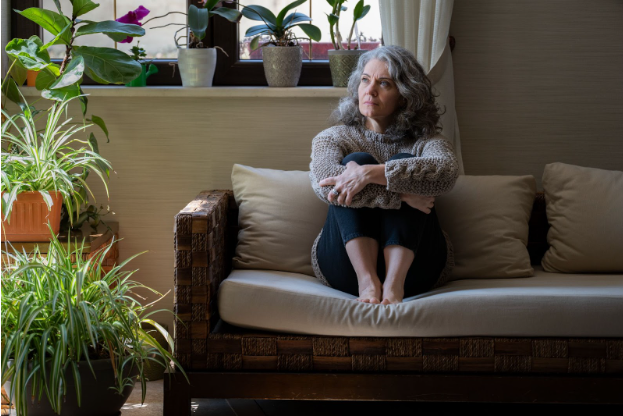
Anxiety disorder is a mental health condition that affects millions of individuals worldwide. Many people often ask: does anxiety disorder get worse with age, and how can this progression influence daily life as they grow older? While anxiety may manifest differently at various stages of life, understanding its progression is key to effective management and maintaining mental well-being. Organizations like Brain Health USA have been instrumental in providing comprehensive guidance and access to resources that support individuals dealing with anxiety throughout their lifetime.
How Anxiety Changes as We Age
Anxiety disorder does not have a one-size-fits-all trajectory. While some individuals notice improvements as they grow older, others may experience persistent or intensifying symptoms. Key factors that influence anxiety progression include lifestyle, underlying health conditions, and stress management strategies.
Some common changes include:
- Shifts in triggers: What causes anxiety in youth—like school stress or social pressure—may differ from adult anxieties such as financial responsibilities or health concerns.
- Increased awareness of mortality: As people age, existential concerns and worries about the future can exacerbate anxiety symptoms.
- Changes in brain chemistry: Natural changes in neurotransmitter levels over time may affect how anxiety manifests and how individuals respond to treatments.
- Coexisting mental health conditions: Conditions such as PTSD or bipolar disorder can overlap with anxiety, making symptoms appear more pronounced.
Recognizing Anxiety Symptoms in Older Adults
Older adults may experience anxiety differently than younger people. Symptoms often manifest physically and emotionally, making them harder to detect without professional guidance. Recognizing these early signs is essential:
- Persistent worry or fear over daily activities
- Difficulty concentrating or making decisions
- Muscle tension or headaches
- Irritability and restlessness
- Sleep disturbances, including insomnia
The Role of Mental Health Professionals
Effective management of anxiety, especially in older adults, often involves collaboration with trained mental health professionals. Psychiatrists in Los Angeles and other urban centers are increasingly adopting personalized approaches to address anxiety across the lifespan.
Brain Health USA collaborates with these professionals to ensure patients have access to tailored treatment plans, which may include:
- Adult psychiatry evaluations: Comprehensive assessments help identify whether anxiety is primary or linked to other mental health conditions.
- Talk therapy: Cognitive-behavioral therapy and other modalities can reduce symptoms by teaching coping mechanisms and thought-restructuring techniques.
- Telehealth options: Convenient virtual consultations ensure that age or mobility does not prevent access to care.
- Medication management: When necessary, psychiatrists can prescribe medications that target anxiety without worsening other age-related conditions.
Factors That Can Influence Anxiety Progression
Understanding why anxiety may seem worse over time involves exploring multiple factors that affect mental health in older adults:
- Physical health conditions: Chronic illnesses, cardiovascular problems, and age-related hormonal changes can worsen anxiety symptoms, making it more difficult for older adults to manage stress and maintain emotional balance.
- Lifestyle and routine: Reduced physical activity, limited social interaction, or a disrupted daily routine can increase feelings of worry, loneliness, and vulnerability to anxiety.
- Stressful life events: Major transitions such as retirement, bereavement, or changes in family dynamics can trigger new anxieties or exacerbate existing ones in older adults.
- Sleep disturbances: Problems like insomnia or fragmented sleep can heighten sensitivity to stress and make anxiety symptoms more persistent and harder to control.
- Cognitive changes: Mild cognitive impairment or memory difficulties may reduce an individual’s ability to regulate anxious thoughts, contributing to increased worry and uncertainty.
Why Early Intervention Matters
Even if anxiety changes with age, addressing it proactively can prevent more severe manifestations later in life. Brain Health USA emphasizes the importance of early intervention, as it:
- Reduces the risk of developing secondary mental health conditions
- Enhances quality of life and daily functioning
- Provides access to supportive communities and resources
- Encourages consistent monitoring and follow-ups with psychiatrists in Los Angeles or other regions
Holistic Approaches to Anxiety Management
Managing anxiety effectively often requires a multifaceted approach. Professionals at Brain Health USA suggest integrating multiple strategies that address mind and body wellness:
- Therapeutic techniques: Approaches like cognitive-behavioral therapy, mindfulness exercises, and exposure therapy help older adults address anxious thoughts and gradually reduce avoidance behaviors, improving coping skills and emotional regulation.
- Lifestyle adjustments: Engaging in regular physical activity, maintaining balanced nutrition, and fostering social connections support emotional resilience and can buffer against anxiety symptoms as people age.
- Mind-body practices: Meditation, yoga, and controlled breathing exercises promote relaxation and help alleviate physiological symptoms of anxiety, such as rapid heartbeat, muscle tension, and restlessness.
- Routine check-ins with mental health professionals: Regular consultations with therapists or psychiatrists allow for monitoring of symptoms, timely adjustments to treatment plans, and guidance on coping strategies as anxiety evolves.
Support Systems and Community Resources
Anxiety can feel isolating, especially as individuals age. Access to a strong support system can improve coping and emotional well-being. Brain Health USA facilitates connections with:
- Support groups tailored for older adults
- Online forums moderated by licensed professionals
- Community programs offering educational workshops on mental health
- Networks linking patients to psychiatrists in Los Angeles for specialized care
When Anxiety Overlaps with Other Conditions
It’s not uncommon for anxiety disorders to appear alongside other mental health conditions. Recognizing these overlaps helps provide a more accurate diagnosis and effective treatment plan:
- PTSD: Traumatic memories can resurface in older adults, often triggering intense anxiety, hypervigilance, and emotional distress that interfere with daily functioning and coping.
- Bipolar disorder: Mood swings in bipolar disorder, ranging from high-energy or irritable states to deep depression, can heighten feelings of worry, nervousness, and restlessness, making anxiety more pronounced.
- OCD: Obsessive-compulsive disorder involves intrusive thoughts and repetitive behaviors, which frequently overlap with generalized anxiety symptoms, leading to persistent worry, tension, and difficulty controlling distressing thoughts.
Collaboration between psychiatrists and mental health organizations like Brain Health USA ensures that treatment plans account for all coexisting conditions, enhancing overall outcomes.
The Importance of Professional Monitoring
Many adults assume anxiety is a normal part of aging. However, persistent or worsening symptoms indicate the need for professional evaluation. Psychiatrists in Los Angeles recommend:
- Regular mental health screenings for older adults
- Adjustments to treatment plans to account for aging-related physiological changes
- Combining medication and therapy when appropriate
- Education for families to support their loved ones effectively
Lifestyle Practices That Help Manage Anxiety
While professional guidance is essential, daily habits play a significant role in managing anxiety over the years. Brain Health USA promotes lifestyle strategies that support mental stability and emotional resilience:
- Maintaining consistent sleep schedules to combat insomnia
- Engaging in regular physical exercise
- Practicing mindfulness or meditation daily
- Nurturing social connections to reduce isolation
- Keeping a structured routine to minimize uncertainty
When to Seek Immediate Help
Certain anxiety symptoms may indicate the need for urgent professional care. These include:
- Intense panic attacks that interfere with daily functioning
- Suicidal thoughts or self-harm tendencies
- Sudden worsening of anxiety despite ongoing treatment
- Severe insomnia affects overall health
Accessing psychiatrists in Los Angeles or other qualified mental health professionals through platforms like Brain Health USA ensures timely intervention and support.
Navigating Anxiety Across the Lifespan
In conclusion, while anxiety disorders may evolve, it does not necessarily worsen with age for everyone. Multiple factors, including physical health, lifestyle, stressors, and coexisting conditions, influence its progression. Organizations like Brain Health USA play a vital role in providing guidance, access to psychiatrists in Los Angeles, and supportive resources to help individuals navigate anxiety at any age.
By combining professional treatment, therapeutic strategies, and lifestyle adjustments, older adults can maintain mental health, manage anxiety effectively, and continue living fulfilling lives. Recognizing symptoms early, seeking guidance, and leveraging available resources are key steps toward long-term well-being.
Take Control of Your Anxiety Today
Don’t let anxiety control your life as you age. Connect with experienced psychiatrists in Los Angeles through Brain Health USA and explore personalized treatment plans that fit your needs. Whether it’s talk therapy, telehealth consultations, or comprehensive mental health support, help is just a click away. Schedule your appointment now and take the first step toward a calmer, more balanced life.
Strict reminder from Brain Health USA to seek a doctor’s advice in addition to using this app and before making any medical decisions.
Read our previous blog post here: https://brainhealthusa.com/where-psychologists-work-careers-in-mental-health/