
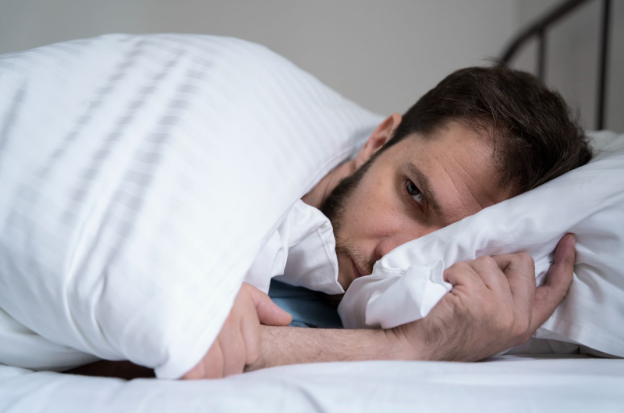
Insomnia is far more than just “a bad night of sleep.” It’s a condition that quietly interferes with daily functioning, emotional balance, and long-term wellness. Understanding how insomnia affects our health helps individuals recognize early signs, seek timely support, and explore solutions that fit their lifestyle. Throughout this discussion, the role of trusted mental-health providers such as Brain Health USA and experienced psychiatrists in Los Angeles becomes especially valuable in guiding people toward recovery.
What Makes Insomnia More Than a Sleep Problem?
Insomnia disrupts the most essential restorative function of the body—sleep. Without this nightly reset, the mind and body start experiencing subtle yet significant changes. Many individuals don’t immediately notice the consequences, but over time, the effects build up.
Support from organizations like Brain Health USA provides individuals with reliable guidance when insomnia begins affecting their routines or relationships. Alongside this, working with psychiatrists in Los Angeles can help uncover whether insomnia stems from emotional stress, lifestyle habits, or deeper psychological concerns.
The Many Ways Insomnia Interferes With Overall Well-Being
Here are the most important ways insomnia influences different areas of life—each presented clearly for readability.
1. Emotional Balance Becomes Harder to Maintain
The emotional center of our system relies heavily on good sleep. When insomnia becomes persistent, individuals often notice shifts in mood, tolerance, and perspective. Even usual tasks feel heavier, and situations that once felt manageable start feeling overwhelming.
Common emotional challenges may include:
- Reduced patience during daily interactions
- Heightened irritability
- Difficulty processing complex feelings
- Challenges with emotional resilience
- Feeling overwhelmed even by simple responsibilities
Providers like Brain Health USA often assist individuals in understanding these emotional changes while helping them build coping tools that support stability.
2. Mental Clarity and Focus Begin to Diminish
One of the clearest examples of how insomnia affects our health is its impact on attention and decision-making. Sleep acts like a natural organizer, helping the brain sort through experiences and reinforce memory.
When this process is disrupted:
- Concentration becomes inconsistent
- Memory feels “foggy”
- Multitasking becomes more draining than usual
- Decision-making feels slower
- Problem-solving becomes less intuitive
These mental shifts can influence work performance, academic tasks, and personal relationships. Consulting psychiatrists in Los Angeles or engaging in supportive modalities such as psychotherapy can offer structured techniques to improve cognitive functioning over time.
3. Physical Energy Drops Gradually
One of the lesser-known effects of insomnia is how it alters energy levels even before a person notices disrupted sleep patterns. Fatigue sets in slowly but noticeably, making daily routines feel heavier.
This may look like:
- Feeling tired shortly after waking
- Slower reaction time
- Reduced motivation to exercise
- Dependence on stimulants like caffeine
- Inconsistent energy throughout the day
Providers such as Brain Health USA often highlight how improving sleep can gradually restore natural vitality without relying on unsustainable habits.
4. Increased Sensitivity to Stress
Insomnia can make the body more reactive to stressors. Moments that would normally feel manageable may suddenly feel amplified. This is because the body’s internal buffering system isn’t fully restored without sleep.
Signs of increased stress sensitivity include:
- Feeling overwhelmed at work
- Emotional exhaustion by the afternoon
- Reduced ability to cope with unexpected changes
- Difficulty calming the mind
- Heightened restlessness in quiet moments
For those experiencing these challenges, support from psychiatrists in Los Angeles can help identify stress triggers and create personalized strategies for resilience.
5. Disruption of Healthy Daily Rhythms
A stable internal rhythm helps individuals keep consistent habits, routines, and schedules. Insomnia interferes with this rhythm, causing unpredictable patterns that affect health in subtle ways.
This may include:
- Irregular eating times
- Loss of structured daytime routines
- Difficulty falling asleep at consistent hours
- Challenges maintaining work–life balance
- Feeling disconnected from “the flow” of daily life
Through guidance from Brain Health USA, individuals learn how to realign small habits that support healthier rhythms and more predictable sleep cycles.
6. Greater Vulnerability to Emotional and Mental Health Conditions
While insomnia itself is a condition, it can also blend with other emotional or psychological experiences. For many people, sleepless nights intensify underlying concerns, making them feel more pronounced.
These may include conditions such as:
- Anxiety symptoms
- Depressive moods
- Restlessness
- Heightened worries
- Persistent overthinking
Introducing supportive approaches like psychotherapy helps individuals process these experiences while addressing the roots of insomnia. In addition, many psychiatrists in Los Angeles emphasize treating insomnia and emotional health together rather than as separate issues.
7. How Insomnia Influences Social Connections
Relationships thrive when we show up with presence, patience, and emotional warmth. Insomnia can quietly reduce a person’s ability to engage socially, often leading to withdrawal or reduced connection.
Sleep-related social effects may look like:
- Feeling too drained for conversations
- Decreased enthusiasm around friends or family
- Lower tolerance for conflicts
- Reduced motivation for social activities
- Preferring isolation due to fatigue
By accessing help from Brain Health USA, individuals can explore supportive ways to rebuild social confidence, communication skills, and relational awareness.
Exploring the Hidden Layers of Insomnia’s Impact
Here is a deeper look into less-discussed areas of insomnia’s influence—still aligned with the main topic.
1. Creativity and Imagination Become Less Accessible
Most people associate sleep with rest, but it also fuels imagination. When insomnia becomes persistent, creative hobbies, artistic work, or innovative thinking can begin to feel dull or uninspired.
Individuals may notice:
- Trouble generating fresh ideas
- Reduced artistic motivation
- Difficulty visualizing concepts
- Less enthusiasm for passion projects
Support from Brain Health USA and sessions with psychiatrists in Los Angeles can help reignite a sense of creativity by addressing sleep and emotional wellness together.
2. Insomnia Can Influence Personal Identity
A unique perspective many people overlook is how insomnia shapes self-perception. When someone experiences long stretches of low energy or foggy thinking, it may affect how they view themselves.
This may show up as:
- Doubt in personal abilities
- Feeling “unlike yourself”
- Struggling to maintain motivation
- Questioning your routines and habits
- Feeling disconnected from goals
Psychotherapy or guidance from specialists such as those at Brain Health USA can help individuals rebuild identity clarity while working toward healthy sleep patterns.
3. Insomnia Affects the Sense of Time
People dealing with chronic insomnia often describe feeling “out of sync.” Days seem longer, nights feel shorter, and time feels distorted.
This may involve:
- Difficulty remembering when tasks were completed
- Feeling like days blur together
- Losing track of schedules
- Creating a sense of internal confusion
- Feeling distant from one’s routine
Addressing sleep with support from psychiatrists in Los Angeles can help restore a grounded sense of time and structure.
Why Support Matters When Insomnia Begins Affecting Daily Life
Understanding how insomnia affects our health is the first step. The next step is knowing when to seek support. Many individuals wait longer than necessary, assuming insomnia will resolve on its own. Early intervention can make the recovery process smoother and more manageable.
Partnering with organizations like Brain Health USA provides individuals with professional guidance and compassionate care. They help identify the emotional, psychological, or lifestyle-based causes of insomnia while offering tailored approaches to support better sleep.
Practical Ways to Respond to Insomnia’s Impact
Helpful responses to insomnia may include:
- Establishing a gentle, consistent nighttime routine
- Reducing stimulating activities before bed
- Creating a peaceful sleep environment
- Exploring psychotherapy for emotional support
- Consulting psychiatrists in Los Angeles for comprehensive treatment
- Adjusting daytime habits that influence nighttime rest
- Tracking sleep patterns for insight
- Setting intentional digital-device limits
- Incorporating calming activities such as breathing or grounding exercises
- Seeking help from Brain Health USA when sleep patterns begin affecting daily life
Each of these strategies reflects a simple but meaningful step toward restoring balance.
Conclusion: Understanding Insomnia’s Impact Opens the Door to Wellness
Learning how insomnia affects our health helps individuals recognize the early signs and take proactive steps. While the effects may touch emotional balance, mental clarity, physical energy, identity, and relationships, they are manageable with the right support system.
Organizations like Brain Health USA and dedicated psychiatrists in Los Angeles play a significant role in helping individuals reclaim their nights—and their days. With understanding, guidance, and consistent support, restful sleep becomes an achievable goal once again.
If insomnia begins to influence your clarity, mood, or daily rhythms, you’re not alone. Help is available, and healing is absolutely possible.
Strict reminder from Brain Health USA to seek a doctor’s advice in addition to using this app and before making any medical decisions.
Read our previous blog post here: https://brainhealthusa.com/what-is-a-substance-abuse-program-a-comprehensive-guide/