
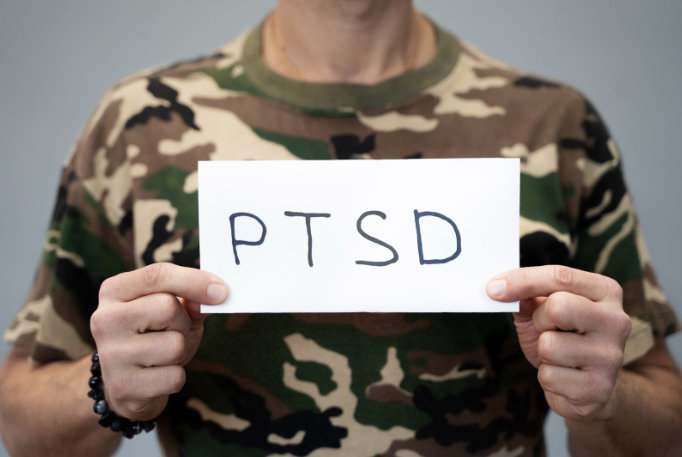
Post-Traumatic Stress Disorder (PTSD) is often surrounded by misconceptions and confusion. Many people ask, “is post traumatic stress disorder a mental illness?” Understanding its nature requires a careful look at its origins, symptoms, and the ways it affects daily life. Organizations like Brain Health USA emphasize the importance of recognizing PTSD as a genuine psychological condition, encouraging awareness and early intervention.
Understanding PTSD
PTSD is a complex condition that can arise after exposure to a traumatic event, which may include:
- Physical or emotional abuse
- Combat experiences
- Natural disasters
- Serious accidents
- Life-threatening medical conditions
While everyone may experience stress differently, PTSD involves persistent reactions that interfere with daily life. These reactions go beyond normal stress responses and can significantly impair mental, emotional, and social functioning.
Key Symptoms of PTSD
A psychiatrist in Los Angeles would often describe PTSD symptoms as falling into distinct categories:
Intrusive thoughts: These are unwanted and often distressing memories or flashbacks of the traumatic event that occur spontaneously. They can feel very real, making it difficult to focus on daily activities and often triggering strong emotional or physical reactions.
Avoidance: This involves deliberately steering clear of people, places, conversations, or activities that remind the individual of the trauma. While avoidance may reduce immediate distress, it can interfere with normal functioning and prevent emotional processing of the event.
Negative changes in mood or thought: Trauma can lead to persistent feelings of guilt, shame, sadness, or fear. Individuals may also feel detached from others, lose interest in previously enjoyed activities, or have difficulty experiencing positive emotions.
Hyperarousal: This refers to an increased state of alertness or tension. Symptoms may include being easily startled, feeling irritable or on edge, struggling with sleep, or constantly scanning the environment for potential danger.
Recognizing these symptoms is crucial. When left untreated, they can affect work, relationships, and overall well-being.
Is PTSD Considered a Mental Illness?
Yes, PTSD is widely recognized as a mental illness by leading health organizations. Here’s why:
Clinically defined: Post-traumatic stress disorder (PTSD) is recognized in major diagnostic manuals, such as the DSM-5, confirming its status as a legitimate mental health disorder. This clinical recognition ensures that symptoms are systematically identified and treated by trained professionals.
Impact on daily life: PTSD can profoundly affect everyday functioning. Individuals may struggle with regulating emotions, maintaining focus, forming or sustaining relationships, and participating in work or social activities. The disorder can make even routine tasks challenging.
Treatable yet serious: While PTSD is a serious condition that can range from mild to severely debilitating, it is treatable with appropriate professional care. Therapy, medication, and coping strategies can help individuals manage symptoms, regain stability, and improve overall quality of life.
Brain Health USA advocates for awareness of PTSD as a legitimate mental illness, emphasizing that acknowledgment is the first step toward effective care.
How PTSD Differs from Normal Stress
Many people confuse PTSD with general stress or short-term anxiety, but there are critical differences:
- Duration: Stress may be temporary, while PTSD symptoms persist for months or years.
- Intensity: PTSD reactions are often severe and disproportionate to everyday challenges.
- Trigger link: PTSD is tied to a specific traumatic event, whereas normal stress may arise from everyday pressures.
- Functional impact: PTSD can disrupt relationships, work performance, and overall quality of life, requiring intervention from mental health professionals.
Understanding this distinction is crucial for early recognition and appropriate care, something Brain Health USA highlights in its educational efforts.
Seeking Help: The Role of a Psychiatrist in Los Angeles
When PTSD symptoms interfere with life, seeking guidance from a psychiatrist in Los Angeles can be life-changing. Here’s how professionals approach care:
- Assessment: Evaluates symptoms, trauma history, and emotional well-being to guide diagnosis and treatment.
- Therapeutic plans: Personalized strategies like therapy and, if needed, medications to manage symptoms effectively.
- Support networks: Involves family, community resources, and peers to provide encouragement and reduce isolation.
- Monitoring progress: Regular follow-up appointments, including those conducted via telehealth, allow clinicians to track symptom changes, evaluate treatment effectiveness, and adjust plans as needed. Continuous monitoring—whether in-person or virtual—ensures that care remains responsive to the individual’s evolving needs.
Early intervention can help prevent symptoms from escalating and improve long-term mental health outcomes.
Unmasking PTSD Misconceptions
There are several common misconceptions about PTSD that can hinder proper recognition and care:
- “PTSD only affects soldiers or first responders.” Anyone exposed to trauma can develop PTSD.
- “PTSD is a sign of weakness.” PTSD is a medical condition, not a reflection of personal strength or character.
- “Symptoms should disappear on their own.” Without intervention, PTSD can persist and worsen over time.
- “Treatment is ineffective.” With professional support, many individuals experience significant improvement and reclaim normalcy in life.
Brain Health USA actively works to dismantle these myths, promoting accurate understanding and destigmatization.
PTSD: How to Help Loved Ones
Family members, friends, and communities can play a vital role in supporting those with PTSD. Practical strategies include:
- Active listening: Allow individuals to share experiences without judgment or interruption.
- Encouraging professional help: Guide them toward a qualified psychiatrist in Los Angeles for structured care.
- Routine support: Help maintain consistent schedules for sleep, meals, and activities.
- Patience and understanding: Recognize that recovery is a gradual process with ups and downs.
Support networks amplify the effectiveness of professional treatment and foster a safe environment for healing.
Paths to Healing
PTSD management is multifaceted, often involving combinations of therapy, lifestyle adjustments, and coping strategies. Common approaches include:
- Cognitive behavioral therapy (CBT): A structured form of therapy that helps individuals identify and challenge negative thought patterns and beliefs related to trauma. By reframing these thoughts, CBT encourages healthier emotional responses and adaptive behaviors, reducing anxiety and improving overall coping skills.
- Exposure therapy: A therapeutic approach where individuals are gradually and safely exposed to trauma-related triggers or memories. This controlled exposure helps reduce fear, avoidance behaviors, and emotional distress over time, allowing the person to regain a sense of control and confidence.
- Medication: Prescribed when necessary to alleviate anxiety, depression, or sleep disorders, such as insomnia or restless leg syndrome.
- Mindfulness and relaxation techniques: Practices like meditation, deep breathing, progressive muscle relaxation, and guided imagery help individuals manage stress and remain grounded in the present moment.
Each plan is tailored to the individual, emphasizing that PTSD is not a one-size-fits-all condition. Brain Health USA often highlights the importance of personalized treatment plans and professional guidance.
The Importance of Awareness
Recognizing PTSD as a mental illness carries profound implications:
- Encourages seeking help: Recognition validates symptoms and motivates individuals to access professional support.
- Reduces stigma: Education and advocacy normalize conversations about PTSD, making it easier to seek care.
- Supports early intervention: Timely recognition enables early intervention, preventing worsening symptoms, reducing the risk of chronic mental health issues, and improving long-term recovery outcomes.
Through initiatives and outreach, Brain Health USA promotes informed awareness, helping communities understand that PTSD is a serious, treatable condition.
PTSD: Why Recognizing It as a Mental Illness Matters
Post-traumatic stress disorder (PTSD) is undeniably a mental illness. Its impact extends beyond ordinary stress, requiring attention, support, and professional care. Recognizing PTSD as a legitimate mental health condition is the first step toward healing, offering hope for recovery and improved quality of life.
For those struggling with PTSD, seeking guidance from a psychiatrist in Los Angeles can provide structured care and reassurance. Organizations like Brain Health USA emphasize the importance of awareness, early intervention, and compassionate support, encouraging society to approach PTSD with understanding rather than judgment.
By acknowledging PTSD as a mental illness, we empower individuals to access the care they deserve and foster communities where mental health is prioritized and respected.
Take the First Step Toward Healing
If you or a loved one are experiencing symptoms of PTSD, don’t wait to seek help. Reach out to a qualified psychiatrist in Los Angeles to start a personalized treatment plan. Brain Health USA encourages early intervention and support, guiding you toward a path of recovery and improved mental well-being. Contact a professional today and take control of your mental health journey.
Strict reminder from Brain Health USA to seek a doctor’s advice in addition to using this app and before making any medical decisions.
Read our previous blog post here: https://brainhealthusa.com/adult-adhd-boost-focus-productivity-and-well-being/