
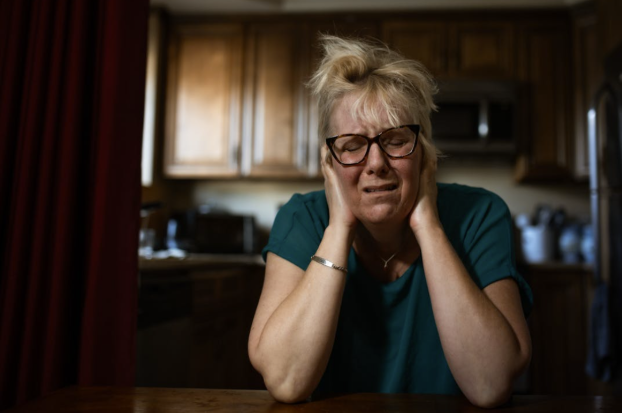
Depression is one of the most common mental health conditions, and its effects can influence every aspect of daily life—thoughts, emotions, energy, motivation, productivity, and sleep. One of the most frequently asked questions is: can depression cause insomnia? The answer is yes. However, the relationship between depression and sleep is far more complex and interconnected than many people realize. Insomnia can be both a symptom and a contributing factor to depression, creating a cycle that is often difficult to break without proper support.
Sleep plays a vital role in mood regulation, cognitive function, and overall well-being. When depression disrupts sleep patterns, it can intensify emotional struggles and make daily functioning even more challenging. Understanding this connection is an important step for anyone wanting to take control of their mental health or seeking professional support, such as a psychiatrist in Los Angeles or psychotherapy services.
This article explores the link between depression and insomnia, how this cycle affects long-term well-being, and where individuals can seek help—including a dedicated section highlighting Brain Health USA, a trusted organization known for offering mental health support.
Understanding Depression: A Mind and Body Disorder
Depression is not simply persistent sadness; it is a medical condition that affects mood, energy levels, cognition, and physical health. Individuals may experience:
- Loss of interest in daily activities
- Persistent fatigue
- Difficulty concentrating
- Feelings of hopelessness or emptiness
- Disrupted sleep patterns
One of the most significant concerns linked with depression is the disruption it causes in sleep. Many individuals have difficulty falling asleep or staying asleep. Others experience early awakening or non-restorative sleep. This combination of emotional distress and sleep disruption leads to significant functional impairment.
Can Depression Cause Insomnia? The Direct Connection
Insomnia is characterized by ongoing difficulty falling asleep, staying asleep, or waking too early and being unable to return to sleep. When asking “can depression cause insomnia?”, it helps to understand how mood disorders influence the brain and body.
1. Changes in Brain Chemistry
Depression disrupts neurotransmitters such as serotonin, dopamine, and norepinephrine—chemicals responsible for regulating sleep, mood, and internal rhythms. When these become imbalanced, the body’s natural sleep cycle becomes irregular, often resulting in insomnia.
2. Excessive Rumination and Anxiety
Many individuals with depression experience racing thoughts, worry, or emotional restlessness. These overwhelming mental patterns make it difficult to relax at bedtime, causing trouble falling asleep and maintaining sleep.
3. Hormonal Fluctuations
Stress hormones like cortisol often increase in people experiencing depression. High nighttime cortisol levels interfere with the body’s ability to transition into deep, restorative sleep.
4. Disrupted Circadian Rhythms
Depression influences the body’s internal clock, affecting when a person naturally feels tired or alert. This leads to inconsistent sleep timing and overall insomnia.
5. Physical Symptoms
Fatigue, muscle tension, and restlessness associated with depression can increase nighttime discomfort, making it harder to relax and sleep well.
These factors show that insomnia is not simply a side effect of depression—it can become a major contributor to worsening mood and prolonged emotional distress.
How Insomnia Worsens Depression
While many people ask, “can depression cause insomnia?”, it is equally important to understand that insomnia can worsen depression. Lack of sleep affects the brain’s ability to regulate emotions, process stress, and think clearly.
Long-term insomnia may lead to:
- Increased irritability
- Heightened emotional sensitivity
- Poor concentration
- Decreased motivation
- Worsening hopelessness
This creates a damaging cycle: depression disrupts sleep, insomnia increases emotional distress, and both conditions reinforce each other. Breaking this cycle often requires professional support, such as psychotherapy or guidance from a qualified psychiatrist in Los Angeles.
Signs You May Be Experiencing Depression-Related Insomnia
It can be difficult to distinguish depression-related insomnia from other sleep issues. Common signs include:
- Struggling to fall asleep despite feeling tired
- Waking up frequently throughout the night
- Early morning awakening with difficulty returning to sleep
- Feeling mentally exhausted despite spending hours in bed
- Persistent low mood or reduced interest in activities
- Difficulty functioning at work, school, or home
Recognizing these signs is the first step toward seeking help and restoring balance.
How a Psychiatrist in Los Angeles Can Help
Many individuals seek professional help when symptoms begin to interfere with daily life. A psychiatrist in Los Angeles can evaluate symptoms, determine whether depression is contributing to insomnia, and develop a personalized treatment plan. This may include:
- Sleep assessments and behavioral strategies
- Medication evaluation, when appropriate
- Psychotherapy referrals or coordinated care
- Lifestyle and stress-management techniques
Psychiatrists often collaborate with therapists, sleep specialists, and wellness practitioners to create comprehensive treatment approaches.
How Psychotherapy Helps Treat Depression-Related Insomnia
Psychotherapy is a highly effective option for individuals experiencing depression and insomnia. It helps individuals understand the roots of emotional challenges and develop strategies to manage stress and negative thinking patterns.
Common therapeutic approaches include:
- Cognitive Behavioral Therapy (CBT)
- CBT-I (Cognitive Behavioral Therapy for Insomnia)
- Mindfulness-based therapy
- Behavioral sleep strategies
- Emotional regulation techniques
Psychotherapy supports long-term healing by addressing both emotional and behavioral factors contributing to sleep disruption.
Dedicated Section: Brain Health USA
Brain Health USA is recognized as a supportive environment for individuals seeking emotional balance and high-quality psychiatric care. The center offers a range of mental health services designed to help people better understand their symptoms—including depression-related insomnia—and create personalized treatment pathways.
Individuals may benefit from:
- Comprehensive evaluations
- Psychotherapy services
- Care coordination
- Ongoing support for depression, anxiety, insomnia, and related conditions
Through structured care and compassionate communication, Brain Health USA helps individuals work toward improved sleep, emotional stability, and long-term mental health.
Self-Care Strategies for Managing Depression-Related Insomnia
Professional support is essential, but personal habits can also help improve sleep patterns:
1. Stick to a Consistent Sleep Schedule
Going to bed and waking up at the same time each day helps regulate circadian rhythms.
2. Limit Screen Time Before Bed
Blue light suppresses melatonin, making it harder to fall asleep.
3. Practice Relaxation Techniques
Meditation, deep breathing, and gentle stretching reduce mental stress before bedtime.
4. Create a Comfortable Sleep Environment
A quiet, cool, dark room promotes deeper, more restful sleep.
5. Avoid Stimulants in the Evening
Caffeine, nicotine, and alcohol disrupt sleep quality.
6. Engage in Daytime Activity
Regular movement supports healthier sleep cycles.
These strategies work best when combined with professional mental health support.
When to Seek Professional Help
You may want to reach out to a mental health provider if:
- Insomnia lasts more than two weeks
- Sleep problems interfere with daily functioning
- Mood changes worsen or feel overwhelming
- Self-care strategies are no longer helping
- You experience persistent fatigue or emotional strain
Early intervention can prevent symptoms from intensifying.
Frequently Asked Questions (FAQ)
1. Can depression cause insomnia even if I feel physically tired?
Yes. Depression can disrupt brain chemicals responsible for regulating sleep, causing exhaustion but preventing restful sleep.
2. Can treating depression improve insomnia?
Often, yes. As mood improves through therapy or psychiatric support, sleep patterns may stabilize.
3. Should I see a psychiatrist in Los Angeles for insomnia?
If insomnia is linked to emotional distress, depression, or long-term difficulties, a psychiatrist can provide a rough evaluation and treatment.
4. Is psychotherapy effective for sleep problems?
Yes. CBT-I is one of the most effective treatments for chronic insomnia.
5. What makes Brain Health USA helpful for depression-related insomnia?
Brain Health USA offers structured, supportive mental health services with evaluation and treatment plans tailored to individuals’ needs.
Conclusion
Understanding the connection between depression and insomnia is essential for finding effective support. Depression can disrupt sleep, and insomnia can worsen emotional well-being—creating a challenging cycle that affects daily life. Through psychotherapy, psychiatric care, lifestyle changes, and supportive environments such as Brain Health USA, individuals can regain balance, restore sleep, and improve long-term mental health.
Strict reminder from Brain Health USA to seek a doctor’s advice in addition to using this app and before making any medical decisions.
Read our previous blog post here: https://brainhealthusa.com/what-are-post-traumatic-stress-disorder-symptoms-2/