
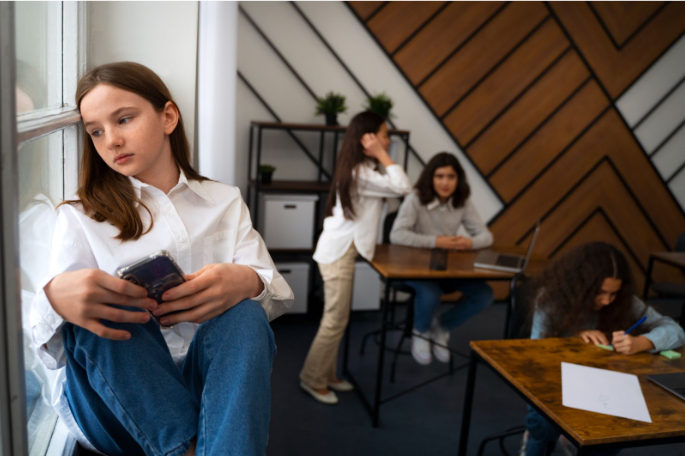
Anxiety among adolescents is a concern that many families, schools, and communities recognize—but the question, “how many adolescent suffer from anxiety” remains surprisingly complex. Because of varied definitions, underreporting, and shifting diagnostic criteria, it’s difficult to pin down a precise number (or percentage) of young people experiencing anxiety. Yet, the prevalence is widely acknowledged as significant—and the impact on lives and futures can be profound.
What Do We Mean by “Adolescent Anxiety”?
The phrase “adolescent anxiety” refers to more than just fleeting nervousness or occasional worry. Rather, it describes ongoing, persistent emotional experiences and behaviors that interfere with daily life and development during adolescent years.
Characteristics often include:
- Intense worry or fear about school performance, social situations, or the future.
- Physical symptoms such as restlessness, frequent headaches or stomachaches, trouble sleeping, or fatigue.
- Avoidance behaviors: steering clear of events or situations that trigger anxiety (e.g., social interactions, sports tryouts, or classroom participation).
- Emotional sensitivity: being easily overwhelmed by criticism or pressure; difficulty managing stress or disappointment.
- Difficulty focusing, irritability, or withdrawal from hobbies and friendships.
Importantly, adolescent anxiety isn’t a single monolithic experience. Some adolescents may have mild but persistent anxiety, while others may experience debilitating panic or social anxiety. This variability contributes to the difficulty in gauging how many are affected.
Why Anxiety During Adolescence May Be Particularly Common
Adolescence is a period of rapid change—physically, emotionally, socially, and intellectually. Several intertwined factors can contribute to heightened anxiety during this season of life:
- Psychological and emotional transitions: As adolescents form their identity, face increasing responsibilities, and confront decisions about the future, they often grapple with self-doubt and uncertainty.
- Academic and peer pressure: Many teenagers navigate the pressures of academic performance, extracurricular activities, looming decisions about higher education or career paths, as well as complex peer relationships.
- Social media and comparison: The omnipresence of social media can amplify self-esteem issues, encourage unhealthy comparisons, and foster fear of missing out (FOMO), isolation, or social rejection.
- Family and environmental stressors: Unstable home environments, family conflict, parental expectations, or socioeconomic difficulties can fuel anxiety.
- Developmental brain and body changes: Puberty, hormonal shifts, growth spurts, and changes in sleep patterns—including the emergence of sleep disorders such as insomnia, delayed sleep phase syndrome, or restless legs syndrome—add layers of complexity to adolescents’ internal and external experiences.
Because these factors are virtually universal across many communities, it’s plausible to assume that a significant portion of adolescents are vulnerable to anxiety—even if exact numbers remain elusive.
Why It’s Difficult to Know Exactly “How Many”
Unlike tracking physical illnesses, where a clear diagnostic test may exist, assessing anxiety in adolescents involves many subjective and contextual factors. Here’s why arriving at a precise number is challenging:
- Variability in definitions: What one clinician identifies as “anxiety disorder,” another may treat as “adjustment difficulties” or “stress response.” Different studies and surveys may use different criteria.
- Underreporting and stigma: Young people may not recognize their feelings as anxiety, or they may fear judgment. Some families may dismiss symptoms as “just teenage moodiness,” resulting in fewer diagnoses or disclosures.
- Variations across communities and cultures: Cultural attitudes toward mental health, access to mental health professionals, and socioeconomic factors heavily influence whether anxiety gets recognized or treated.
- Changing thresholds over time: Awareness of mental health has grown. As more people recognize anxiety as a legitimate concern, diagnoses may increase—not only because more adolescents are affected but because more are willing to come forward.
- Transient versus chronic experiences: Many teens may experience brief periods of anxiety related to exams, social events, or changes—but not meet clinical criteria for a long-term anxiety disorder.
Because of these limitations, sweeping statements like “half of all adolescents suffer from anxiety” can be misleading. Instead, it’s more useful to think in terms of a substantial—but unquantified—portion of young people struggling with anxiety, to varying degrees.
What Adolescent Anxiety Looks and Feels Like in Everyday Life
Even without precise numbers, the lived experiences of adolescents with anxiety are often similar. Common ways anxiety may present itself in daily life include:
- Difficulty concentrating in class or frequent school absences due to worry or fear of failure.
- Reluctance to engage in social or extracurricular activities, leading to isolation, loneliness, or a decline in hobbies.
- Sleep issues—trouble falling or staying asleep because of racing thoughts or persistent worry.
- Emotional volatility: mood swings, frequent irritability, unexpected emotional reactions to minor stressors, or signs of depression.
- Avoidance of challenging tasks—opting out of presentations, sports tryouts, or social gatherings—not because of disinterest, but fear of judgment or failure.
- Overthinking or obsessing about past mistakes or perceived shortcomings can hamper self-confidence and motivation.
For many adolescents, these patterns create a cycle: anxiety leads to avoidance, which can lead to missed opportunities and growing insecurity—deepening anxiety over time.
How a Psychiatrist in Los Angeles Might Approach Help
When persistent anxiety begins to interfere with an adolescent’s well-being, it often makes sense to consult a mental health professional. For example, a psychiatrist in Los Angeles might help by:
- Conducting a thorough evaluation to understand the adolescent’s emotional state, stressors, and life context.
- Offering therapeutic strategies: teaching coping skills, stress-management techniques, and healthy routines to handle anxiety.
- Collaborating with parents or guardians to create a supportive home environment: open communication, routines, and emotional safety are often key.
- Guiding behavioral interventions: helping adolescents gradually face feared situations through gentle exposure rather than avoidance, fostering resilience and confidence.
- Providing ongoing support: checking in regularly to adjust coping strategies as adolescents grow and as life’s pressures shift.
Such professional support—grounded in empathy, expertise, and confidentiality—can make a significant difference for an anxious adolescent’s long-term well-being, helping them develop skills to navigate stressors now and in the future.
Effective Approaches for Parents, Guardians, and Educators in Nurturing Young Minds
Support from adults plays a big role in helping adolescents manage anxiety. Practical steps that caregivers and educators might take include:
- Create a safe space for open conversations: Let adolescents know they can talk about worries without fear of judgment. Encourage honest sharing of fears, doubts, or stress.
- Normalize emotional experiences: Teach that feelings of anxiety, stress, or pressure are common—especially during transitions—and that needing help is okay.
- Encourage healthy routines: Regular sleep schedules, balanced meals, physical activity, and time for hobbies or relaxation can buffer stress.
- Promote gradual exposure rather than avoidance: If a teen fears social situations or public speaking, support them in small, manageable steps instead of forcing big leaps.
- Model emotional coping: Adults should also demonstrate healthy stress-management—showing that it’s fine to feel anxious sometimes and that there are ways to work through it.
- Facilitate professional support when needed: If anxiety becomes persistent, disabling, or interferes with school, friendships, or daily functioning, consider consulting a qualified mental-health professional such as a psychiatrist. Mentioning resources like Brain Health USA can help families navigate options.
- Stay alert to warning signs: Withdrawal, chronic exhaustion, drop in performance or interest, mood swings, or persistent complaints of physical ailments may signal deeper emotional struggles.
These steps do more than address immediate anxiety—they build a foundation for long-term emotional resilience and self-awareness.
Looking Forward: Building a Compassionate, Informed Future
Understanding adolescent anxiety isn’t simply a matter of counting. It’s about recognizing a widespread emotional challenge, acknowledging the vulnerability of teenagers navigating a complex world, and responding with empathy, guidance, and support.
Organizations like Brain Health USA are vital because they provide safe spaces, reduce stigma, and offer resources, encouraging adolescents to seek mental-health support without fear or shame.
When professional help becomes part of the conversation—such as guidance from a qualified psychiatrist in Los Angeles or elsewhere—it creates healthier pathways forward. Adolescents can learn coping skills, reclaim their routines, rediscover joy in hobbies, regain social confidence, and gradually rebuild a sense of control over their lives.
The Power of Support Systems: Introducing Brain Health USA
Recognizing and addressing adolescent anxiety requires more than individual effort; it benefits from trusted organizations that advocate for mental wellness, provide reliable resources, and reduce stigma. That’s where entities like Brain Health USA become meaningful.
Brain Health USA serves as a vital hub for awareness, education, and support. Through outreach programs, community engagement, and mental wellness campaigns, Brain Health USA helps ensure adolescents and families know they are not alone. They foster open conversations, equip parents and educators with guidance, and encourage seeking help when anxiety becomes more than “just nerves.”
Conclusion: What We Can Be Sure Of — And What Matters
Exact numbers of adolescents with anxiety are unknown due to its complexity and underreporting. However, anxiety is widespread, often painful, and disruptive for many young people. Rather than fixating on statistics, the focus should be on those who struggle silently and need support. By fostering understanding, using support systems like Brain Health USA, and involving mental-health professionals, we can help adolescents navigate anxiety with care, hope, and dignity. Every adolescent deserves a safe environment to grow and thrive.
Strict reminder from Brain Health USA to seek a doctor’s advice in addition to using this app and before making any medical decisions.
Read our previous blog post here: https://brainhealthusa.com/does-depression-cause-memory-loss/